





In response to Americans seeking more high-protein food options, Raleigh, North Carolina, U.S.A.-based Golden Corral, which operates 535 restaurants in the U.S., is touting several seafood dishes as part of more than 20 protein-packed options available on its daily buffet.
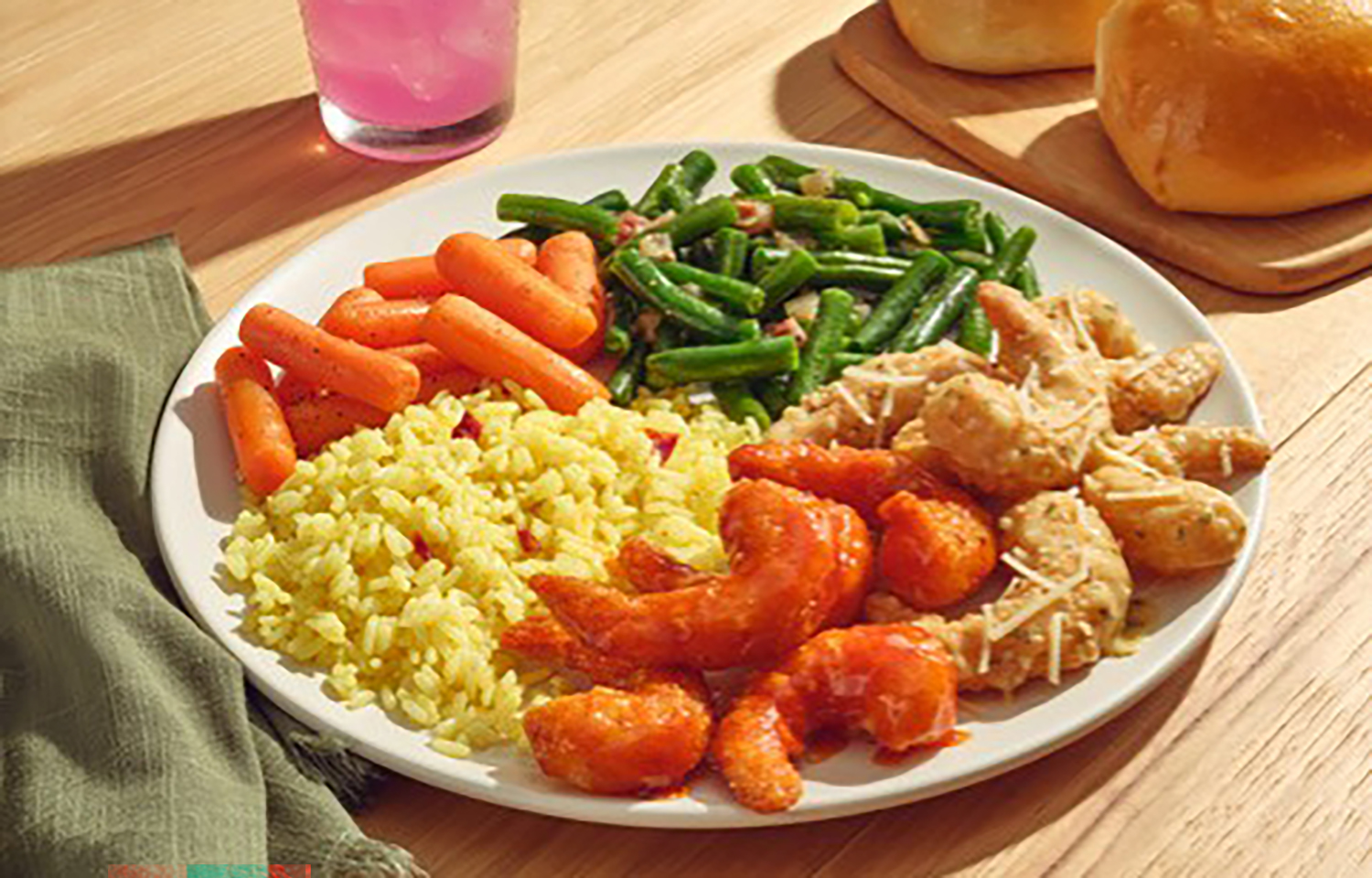
In addition to Signature Hand-Carved Sirloin Steak, Fried Chicken, Bourbon Street Chicken, Meatloaf, Pot Roast, and Pulled Pork, the restaurant chain recently added Golden Delicious Shrimp tossed in new Spicy Peach or Garlic Parmesan sauce, as well as Shrimp Creole, both of which complement longstanding seafood offerings such as baked and fried catfish and basa, shrimp paella, and other dishes.
Golden Corral Senior Vice President of Food and Beverage Darryl Mickler told SeafoodSource the chain is trying to capitalize on heightened demand for protein, even as economic concerns remain top of mind for many customers.
“There is more communication around the importance of protein in the diet [due to] the emphasis it has gotten in several dietary circles, including the USDA Dietary Guidelines for Americans,” he said. “We try very hard to hold our value. We have a great purchasing team and a great relationship with our suppliers and vendors.”
Mickler explained that Golden Corral’s philosophy centers around offering a wide variety of dishes for a wide variety of tastes.
“We always want to have a balance of different items out there. They are going to see steak out there, shrimp out there, and some other options they want to see as well,” he said. "They are not just focused on consuming one item to get their value.”
To offer as much variety as possible, Mickler said the chain has to spend a long time determining whether to add a menu item, and considers more factors than the price of a single ingredient when doing so.
For instance, in the chain’s shrimp paella, which Mickler said has been very popular, Golden Corral analyzes the performance of the entire dish, rather than just the cost of the shrimp it secures.
“We can get the unit cost where it needs to be when they eat the overall dish,” Mickler said. “We have some longer-term shrimp contacts. We spend a lot of time in negotiation and a lot of time figuring out whether we are going to add [a certain item] to the menu.”
However, he said seafood prices are such right now that “if we had to offer a ‘Shrimp Feast,’ we couldn’t do it.”
Nevertheless, beer-battered and Cajun-battered fish have also been popular, Mickler said. In those dishes, the chain uses catfish as well as basa, which Mickler said has a “clean flavor” and pairs well with whatever batters or other flavor profiles the chain decides to pair it with.
“I’ve served it baked, and I have flaked it and used it in seafood cakes,” he said.
According to Mickler, it’s not just about offering high-protein and healthier options, but it’s also essential to communicate those benefits more.
As such, Golden Corral has rolled out a protein public relations campaign and partnered with the National Restaurant Association's (NRA) Kids Live Well program to create meals that fit “pretty stringent guidelines for kids,” Mickler said, as food in the program must have certain levels of sodium and fat, among other restrictions.
“Our fish fits into that perfectly; both our baked fish and simple breaded fried fish fit well with it,” Mickler said.
The company is calling attention to Kids Live Well-compliant items with flags next to those meals on the buffet, as well as callouts on its website.
Mickler said looking ahead, his goal is to “continue to put interesting items out there and continue to evolve what comfort food actually means.”
The commitment to seafood comes as restaurants have had to get creative in order to keep seafood on menus.
According to data from market research firm Datassential, shellfish entree prices jumped 6 percent in the second quarter of 2026 compared to the second quarter of 2025, while fish entree prices rose 3 percent.
Like Golden Corral’s paella, restaurants have responded by strategically placing seafood into pasta or rice dishes, rather than standalone seafood offerings.
One such example is Another Broken Egg Cafe, a Southern cuisine-focused operator of more than 100 daytime restaurants, offering lobster at a reasonable price because it is an ingredient in its Champagne Lobster Omelette and not the primary protein.
