





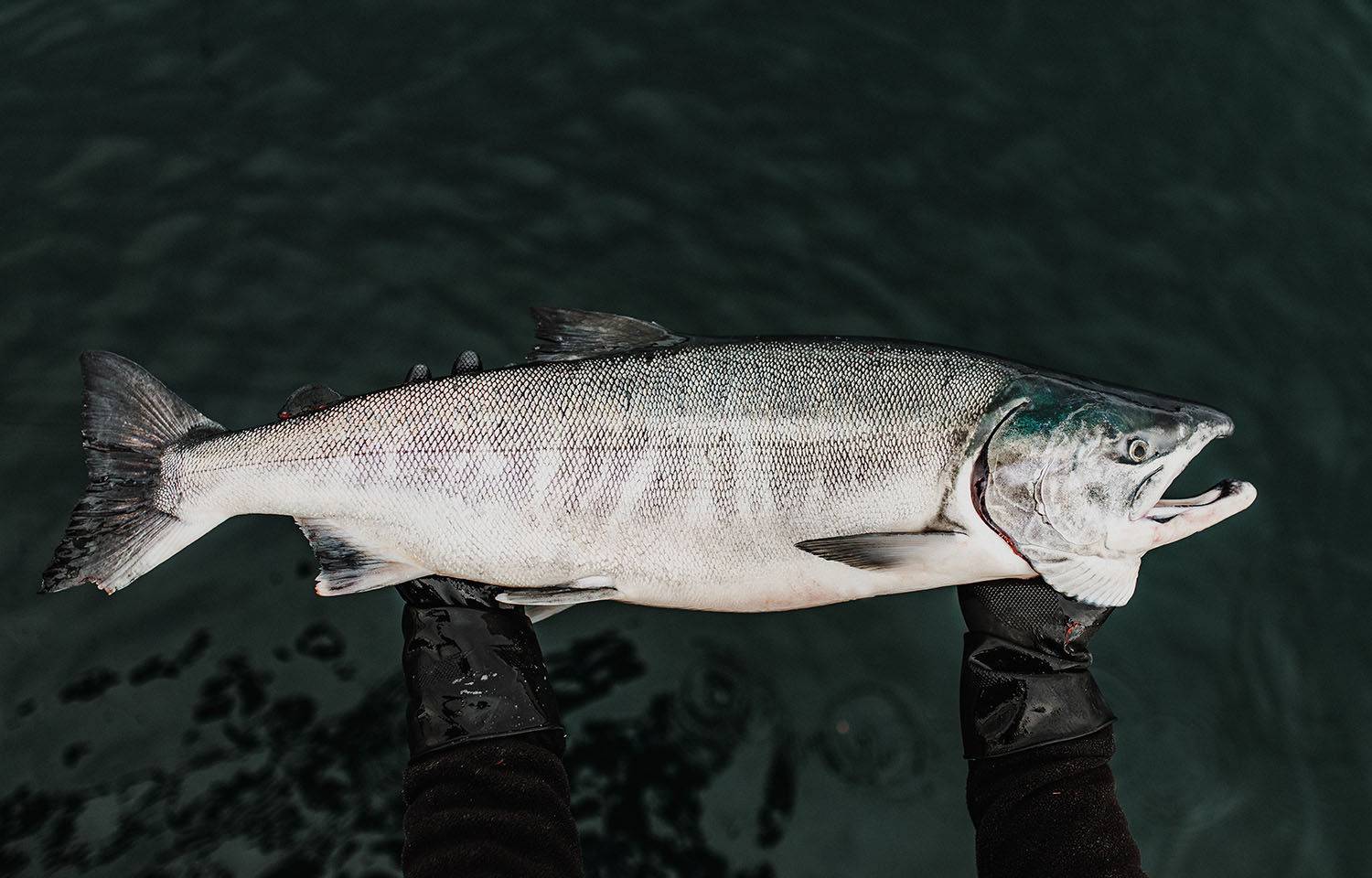
The beginning of June marked the start of commercial salmon fishing in British Columbia, Canada, with fishermen looking to harvest at Barkley Sound, Vancouver Island, and the Fraser River.
The BC Salmon Marketing Council said in a release that an estimated 7.5 million sockeye salmon are expected to return to the Fraser River in 2026.
"Wild British Columbia salmon is one of British Columbia's most iconic foods and an important economic driver for communities throughout our coast,” BC Salmon Marketing Council Marketing Director Lisa Simonsen said in the release. "We're excited to see fresh, sustainably harvested salmon returning to seafood counters, restaurant menus, and dinner tables across the province."
The positive forecast, however, follows a similar pattern to last year's “frustrating” season that featured low opportunities due to government regulations. British Columbia-based seafood company BC Live Spot Prawns and Seafood said that although strong returns of sockeye salmon exist in waterways like the Fraser River, commercial fishing still faces challenges.
“Despite strong returns in some areas, commercial fishing opportunities remained extremely limited throughout much of the season,” the company said in a release. “Precautionary management approaches meant that many fisheries stayed closed or opened briefly, even as fish continued to move through the system. For fishermen, this was one of the most difficult realities of 2025. Paying into the system, witnessing abundance firsthand, and yet being unable to harvest. This growing gap between observed abundance and permitted access continues to strain fishing families and coastal communities.”
Nevertheless, the BC Salmon Marketing Council said there are strong expectations for early- and mid-timed runs this year in the Fraser River, while late-timed runs remain vulnerable to warm water conditions. That means seafood buyers will have shorter harvest windows and tighter supply periods, the council said.
As a whole, the Pacific Ocean is subject to “variable food supply, warmer than average water in key feeding zones, uneven survival across different stocks, and high variability,” the council warned.
While sockeye salmon forecasts are high again, low forecasts are expected for Chinook, coho, and pink salmon.
“It’s not a boom year, but with the right conditions, it can still deliver excellent wild salmon at peak moments,” BC Live Spot Prawns and Seafood said.
A report by U.S.-based nonprofit news organization The Conversation found that funding for fisheries forecast research data in Canada is dropping. More specifically, annual counts of spawning populations have declined 32 percent over the last 20 years.
"Rebuilding broad, representative, monitoring programs is a foundational step that Canada can take to safeguard wild salmon in a time of rapid environmental and industrial change," the article said.
