



Effective 8 January 2026, the U.K. will require the nation’s seafood export firms to provide additional information through the nation’s Fish Export Service (FES) before shipping their products to the E.U.
The stricter conditions go live two days before the E.U. is set to implement more stringent illegal, unregulated, and unreported (IUU) fishing regulations, which include mandated catch certificates and processing statements on any seafood shipment entering the bloc.
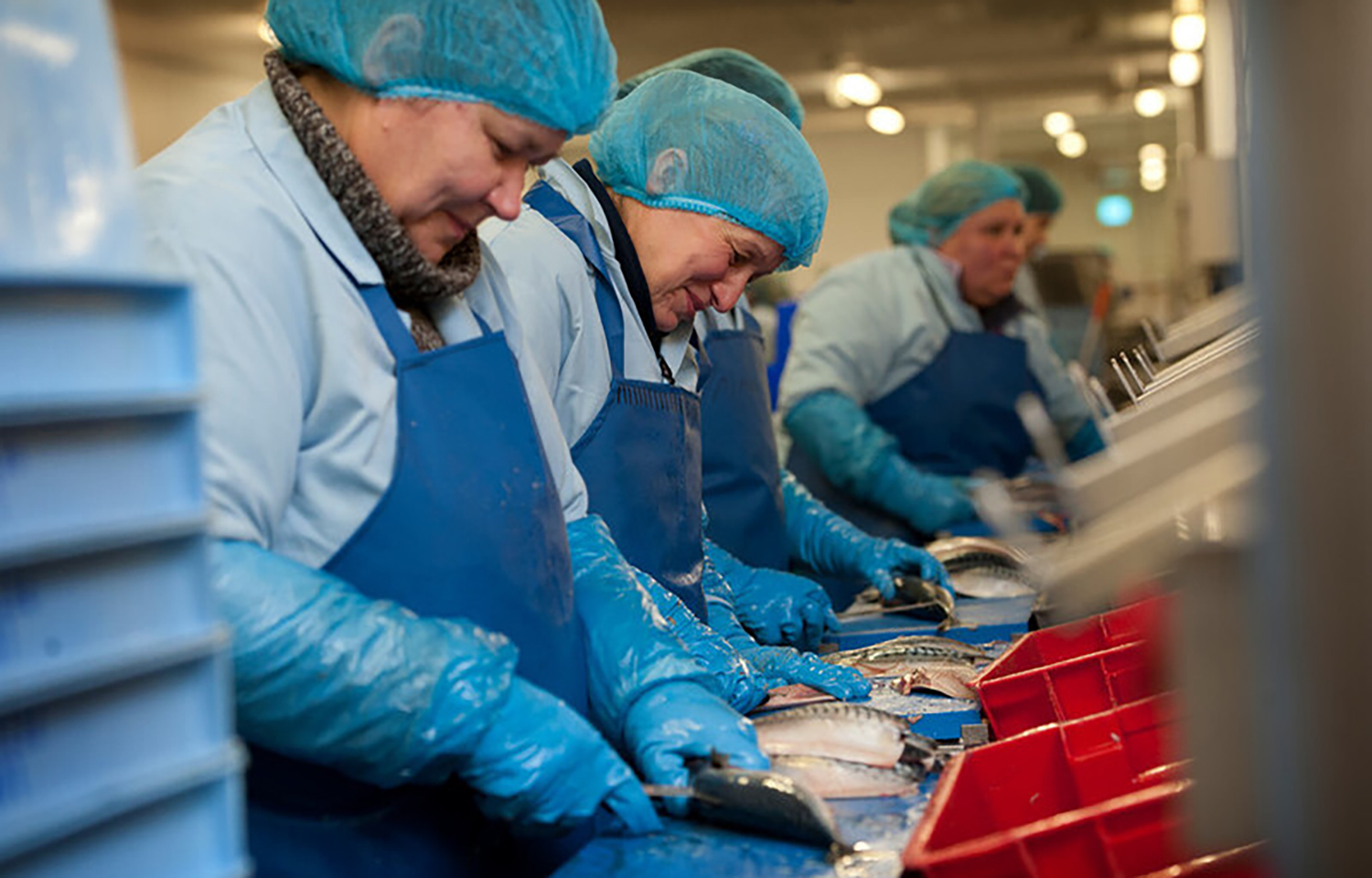
To ensure U.K. export firms are able to seamlessly meet these changes, U.K.-caught fish that is processed in the country before export will now require a processing statement under the new rules, including details of the weights of each seafood type used in a final product. Only fish that is solely frozen or packed will remain exempt.
An expanded definition of “processing” will also now include any seafood that has been cut, filleted, canned, smoked, salted, cooked, pickled, dried, or otherwise prepared for market.
The U.K.’s Marine Management Organization (MMO) has tried to prepare the nation’s exporters for the changes to E.U. policy through the Fish, Trace, Ship campaign, which provides information about the changes, including guidance, FAQs, and links to webinars.
Businesses that fail to comply with the new regulations could face export delays or stoppages once enforced, the MMO has warned, adding that organizations should check whether they are affected by the new rules as soon as possible.
It has further alerted that the changes to processing documentation will almost certainly mean businesses that haven’t had to supply processing statements so far will need to start doing so in January.
The E.U. is the top market for U.K. seafood exports.
According to the recently published UK Seafood in Numbers 2024 report compiled by public body Seafish, the E.U. bought 67 percent of U.K.’s seafood exports by value last year.
The U.K.’s total seafood exports totaled almost 500,000 metric tons (MT) in 2024, valued at close to GBP 2 billion (USD 2.7 billion, EUR 2.3 billion) – an increase of 13 percent year over year.
That same year, the U.K. fishing fleet landed 716,000 MT of fish and shellfish, worth GBP 1.15 billion (USD 1.5 billion, EUR 1.3 billion), while aquaculture operations, led by salmon farming, contributed over GBP 1.2 billion (USD 1.6 billion, EUR 1.4 billion) to the economy.
