



U.K. public body Seafish, the work of which is sponsored by the nation’s Department for Environment, Food, and Rural Affairs (Defra), has developed new resources that focus on boosting international seafood commerce.
Designed to support U.K. seafood companies with varying levels of exporting infrastructure, the newly published resources – the U.K. Seafood Trade Report 2024 and the East Asia Export Guides – offer key insights on global seafood trade, as well as practical guidance and advice on how to successfully export to various markets.
“We have created the new resources to build on the support we have given small seafood businesses exporting to these markets for the first time. They cover the gaps left by generic export guidance found online, and we hope they will make the export process less daunting and encourage small businesses to expand their markets,” Seafish Head of Regulatory Affairs Fiona Wright told SeafoodSource.
Wright clarified that Seafish cannot advise businesses on the trade risks of certain countries but still aims to support their ambitions to expand into new markets and help them remain agile and flexible, which can make them more resilient in the event of any trade disruptions.
Seafish’s U.K. Seafood Trade Report 2024 highlighted that in terms of trade, seafood performed better than U.K. goods generally last year, with export value increasing 13 percent year over year to GBP 2 billion (USD 2.7 billion, EUR 2.3 billion); the value of seafood imports climbed 1.6 percent to GBP 3.8 billion (USD 5.1 billion, EUR 4.4 billion). It also found that the country’s seafood consumption rates returned to growth in 2024, and the category enjoyed increased sales at both retail and foodservice establishments.
The new series of East Asia Export Guides, meanwhile, offer key information and guidance on exporting to the East Asian countries of Japan, South Korea, and Vietnam.
In April this year, it was announced that U.K. businesses can export live seafood to Vietnam, with the estimation that the arrangement could boost the trade by around GBP 20 million (USD 26.9 million, EUR 23.4 million) over the next five years.
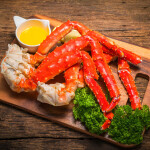
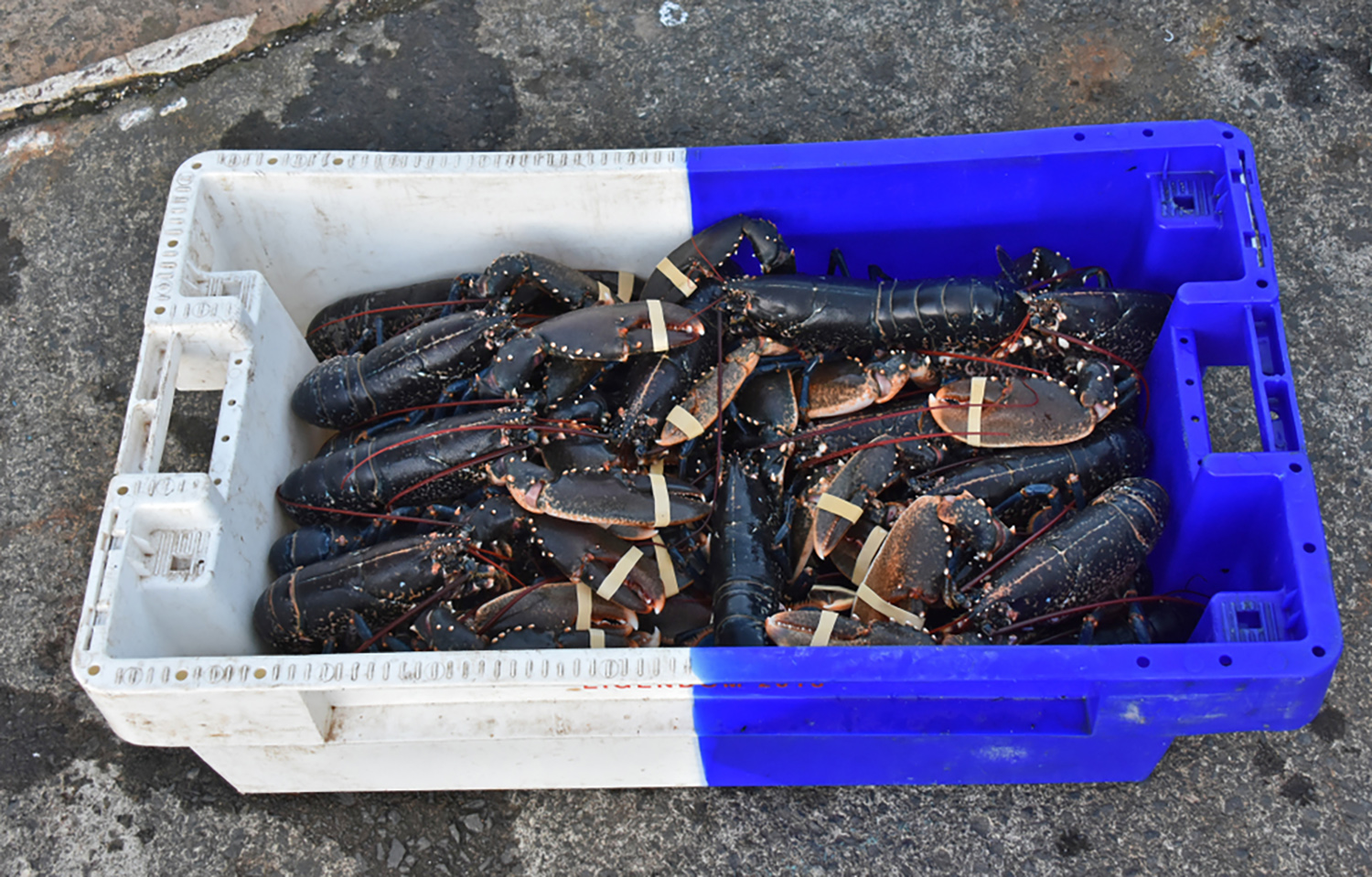
According to Defra, U.K. seafood exports to Vietnam have been strong recently, with sales of fresh, frozen, and processed products up 40 percent in the first nine months of 2024 compared to the corresponding period of the previous year. The deal will predominantly benefit businesses specializing in live crustaceans, such as crab, lobster, and langoustines. It’s also felt there could be a market for oysters and razor clams further down the line.
To further aid companies in boosting their international commerce, Seafish is also inviting expressions of interest from companies wishing to showcase their products at trade shows around the world, including in Asia.
This call comes after exhibiting businesses at this year’s Seafood Expo Global in Barcelona, Spain, indicated they secured GBP 12.8 million (USD 17.2 million, EUR 15 million) in business as a result of their participation in the event’s U.K. pavilion, according to Wright.
“Doing business at seafood expos, for example in many parts of Asia, is often something that is not done speedily; it can often take several years for U.K. exporters to gradually establish strong links and relationships with prospective buyers before sealing any deals,” she said. “This is especially so in Japan, where great stake is placed in the process of buyers and sellers taking time to grow strong bonds between respective parties. The presence of a U.K. pavilion at such events, therefore, provides a great platform for exporters and buyers to meet and develop such relationships.”
Wright specifically highlighted that the “live kitchen” element of the various U.K. pavilions at such expo events plays an important role in showcasing the country’s fish and shellfish to prospective buyers. Led by teams of professional chefs, these formats use products donated by U.K. exhibitors and usually feature a program of recipes and cookery demonstrations.
“This creates an element of theater and entertainment but, more importantly, highlights the quality, variety, and versatility of fish and shellfish from the U.K.,” she said.
In terms of the U.K. seafood products that are currently generating the most interest internationally, brown crab, European lobster, Atlantic salmon – both fresh and smoked – mackerel, whelks, and langoustine are seeing good demand in many parts of the world, Wright said.
