



A pair of U.S. senators have introduced legislation to crack down on flags of convenience, aiming to ensure that nations enabling the practice are considered to be engaging in illegal, unreported, and unregulated (IUU) fishing.
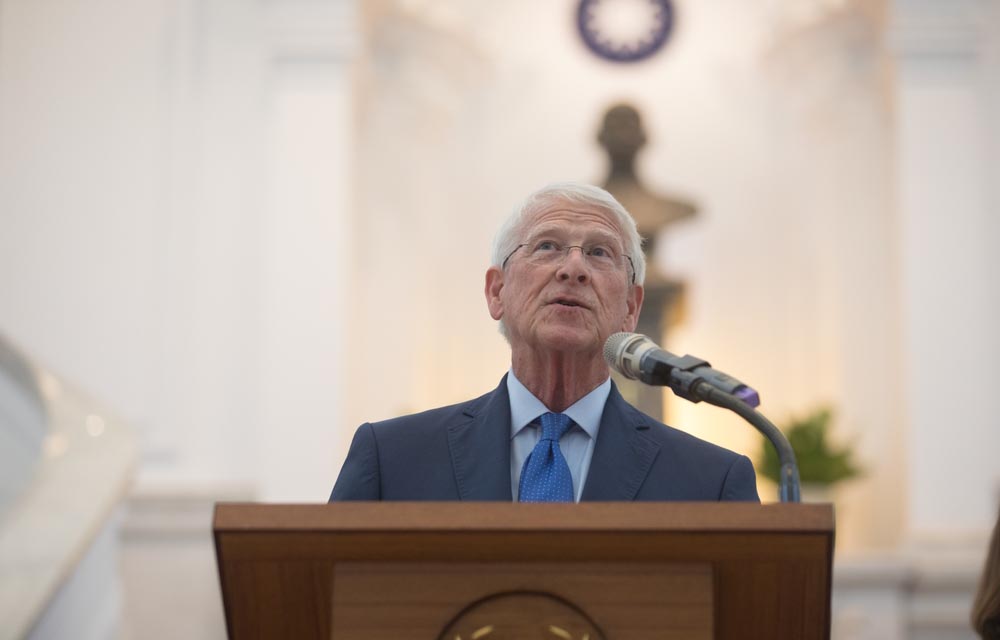
“Illegal, unreported, and unregulated fishing puts the United States seafood industry at a competitive disadvantage. Our maritime laws are built to protect fishermen and improve environmental and labor standards, but many bad actors use the flag of convenience to exploit gaps in those laws. Closing this loophole benefits fishermen, consumers, and the fishing industry,” U.S. Senator Roger Wicker (R-Mississippi) said in a release.
Flags of convenience is a term for the practice of owners registering their vessels in nations with lower standards or weaker enforcement, despite little or no connection to that nation. Flags of convenience are frequently used to avoid taxes or more stringent regulations in the nation that the vessel’s owner or business resides.
“Illegal fishing and labor abuses at sea persist when bad actors can hide behind lax foreign flags to evade basic oversight,” Natural Resources Defense Council Senior Attorney Molly Masterton said in a release.
On 5 June, Wicker and U.S. Senator Jeff Merkley (D-Oregon) introduced the Protecting U.S. Fishers from Illegal Foreign Flags Act. The bill would amend the High Seas Driftnet Fishing Moratorium Protection Act, which requires the U.S. to identify nations with vessels engaged in IUU fishing, to consider nations that allow flags of convenience as having enabled IUU fishing.
“The United States is the world’s largest seafood-importing country, and we have both the purchasing power and the responsibility to tackle illegal, unreported, and unregulated fishing,” Merkley said. “Flags of convenience enable IUU fishing by allowing vessels to dodge oversight, further exposing American consumers to illegally caught seafood and driving down prices for sustainable domestic products. Our bipartisan bill is a win-win – protecting U.S. fishers that play by the rules while also promoting sustainable fisheries management across the globe.”
In addition to the Natural Resources Defense Council, the bill has been backed by the Oregon Trawl Commission, Oceana, and the Southern Shrimp Alliance.
“Oceana applauds this bipartisan bill that addresses flags of convenience that create cover for some of the worst abuses on our oceans, allowing vessels engaged in illegal fishing and labor exploitation to evade scrutiny and accountability,” Oceana Senior Director of Global Transparency Maisie Pigeon said in a statement. “If we want to promote sustainable fisheries, protect habitat and wildlife, and keep illegally caught seafood out of the U.S. market, we need to hold flag states accountable and this bill would do just that. Congress should pass this commonsense bill to hold foreign countries accountable for actions at sea and help level the playing field for U.S. fishers and seafood producers that follow the rules.”
Last year, lawmakers in the U.S. House of Representatives introduced a resolution condemning “the international use of flags of convenience to avoid tariffs, sanctions, workplace rights, and basic safety standards, as well as supporting criminal opportunity, illegal, unreported, and unregulated (IUU) fishing, and terrorist operations.”
Also last year, the U.S. Federal Maritime Commission launched an investigation into whether flags of convenience hurt American shipping conditions.
