



U.S. lawmakers are looking to eliminate any China-sourced seafood from its military as part of a renewed legislative effort aiming to address the Chinese government’s repression and abuse of the Uyghur minority group.
Human rights groups have long accused the Chinese government of persecuting its largely Muslim Uyghur populations, including via forced sterilization and forced labor. In October 2023, nonprofit journalism organization The Outlaw Ocean Project released a report documenting the use of Uyghur forced labor at several Chinese seafood processors, claiming that at least 47,000 metric tons of seafood were sent to the U.S. from facilities that used Uyghur workers.
The report led many U.S. companies to cut ties with or reconsider their business relationships with Chinese processors named in the report.
The report also drew a strong response from the U.S. government, with federal lawmakers calling for investigations and agencies increasing scrutiny of Chinese seafood imports. In July 2024, the Department of Homeland Security added seafood to its high-priority list for enforcing the Uyghur Forced Labor Prevention Act. DHS has also added the Shandong Meijia Group to the Uyghur Forced Labor Prevention Act (UFLPA) Entity List, which effectively banned them from importing seafood to the U.S.
Still, U.S. legislators have continued to push for additional restrictions on China.
On 31 July, the Congressional-Executive Commission on China (CECC) reintroduced The Uyghur Genocide and Sanctions Accountability Act, a collection of policies intended to provide support for Uyghurs and punish Chinese actions against the minority group.
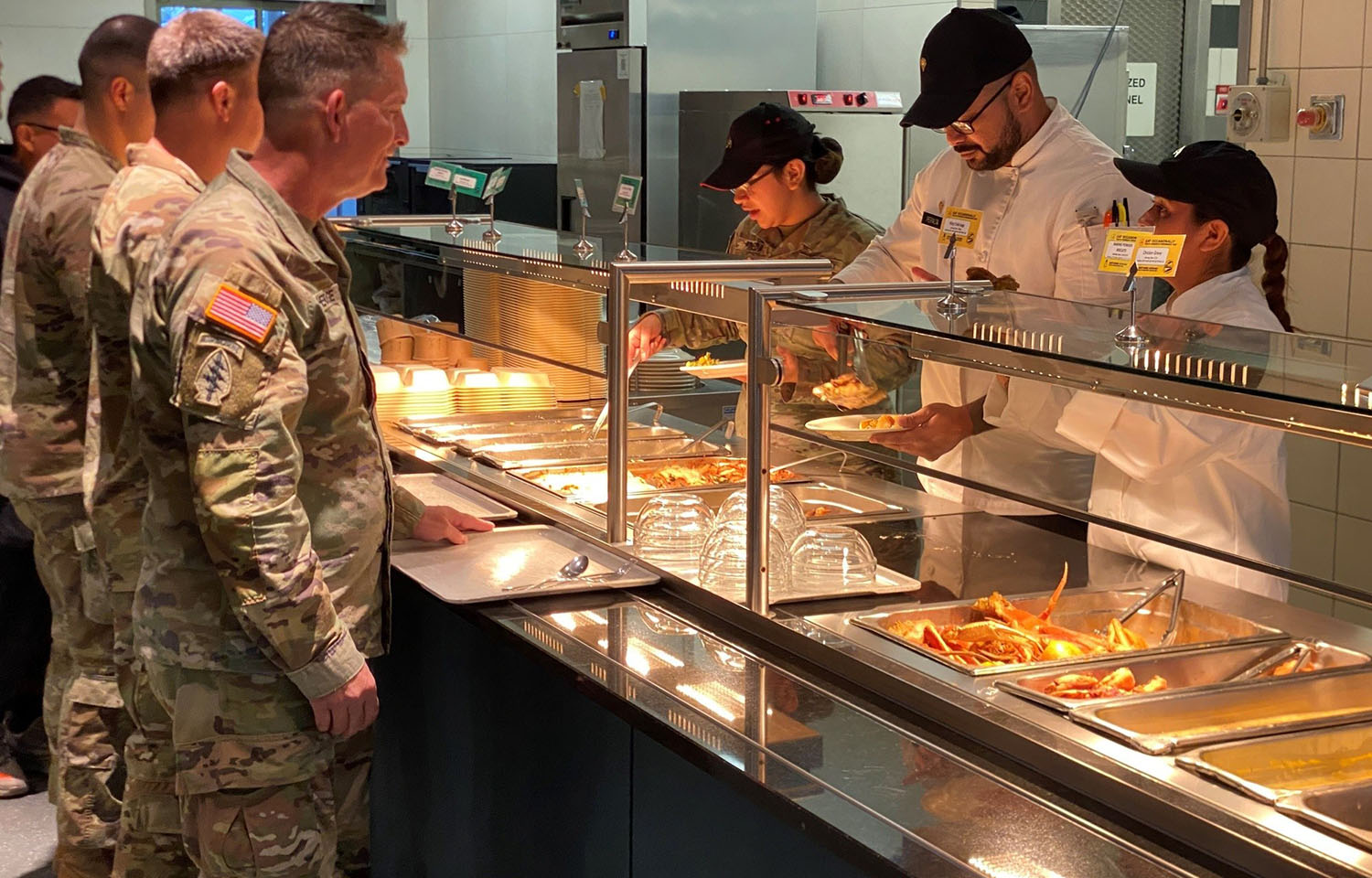
Among the proposals included in the legislation is a ban on use or sale of Chinese seafood at Department of Defense facilities – a direct response to the forced labor of Uyghur workers at Chinese seafood processors as reported by the Outlaw Ocean Project.
“The evidence is clear. The Chinese Communist Party has waged a deliberate and systematic campaign to destroy the Uygur people through forced sterilization, mass internment, and forced labor,” U.S. Senator Dan Sullivan (R-Alaska), who chairs the CECC, said in a statement. “This legislation ensures the United States holds accountable not only the perpetrators of these horrific crimes but also those who support or profit from them. That includes cutting off imports of seafood caught and processed with forced labor, which not only implicates Uyghur and North Korean workers, but also undermines American producers through grossly unfair trade practices.”
A similar provision was added to the U.S. Senate’s version of the bill authorizing funding for the Department of Defense for fiscal year 2026. That legislation was approved by the Senate Committee on Armed Services on 15 July, but it will need to be passed by the full Senate and House in order to become law. The provision was also included in the 2025 version of the bill before being dropped from the final version that was passed into law.
A Senate Appropriations Committee report on the 2026 legislation released 31 July also directs the Department of Defense Inspector General to draft a report on what the department is doing to ensure it is not purchasing seafood from China prohibited under the Uyghur Forced Labor Prevention Act.
Sullivan and other U.S. lawmakers have sought to limit Chinese seafood imports in recent years. In 2023, Sullivan worked with the administration of former U.S. President Joe Biden to close a loophole that allowed Russian seafood companies to circumvent a U.S. ban on their products by sending them to China for processing. Legislators have also proposed banning all Chinese seafood through the Ban China’s Forbidden Operations in the Oceanic Domain (Ban C-FOOD) Act.
