




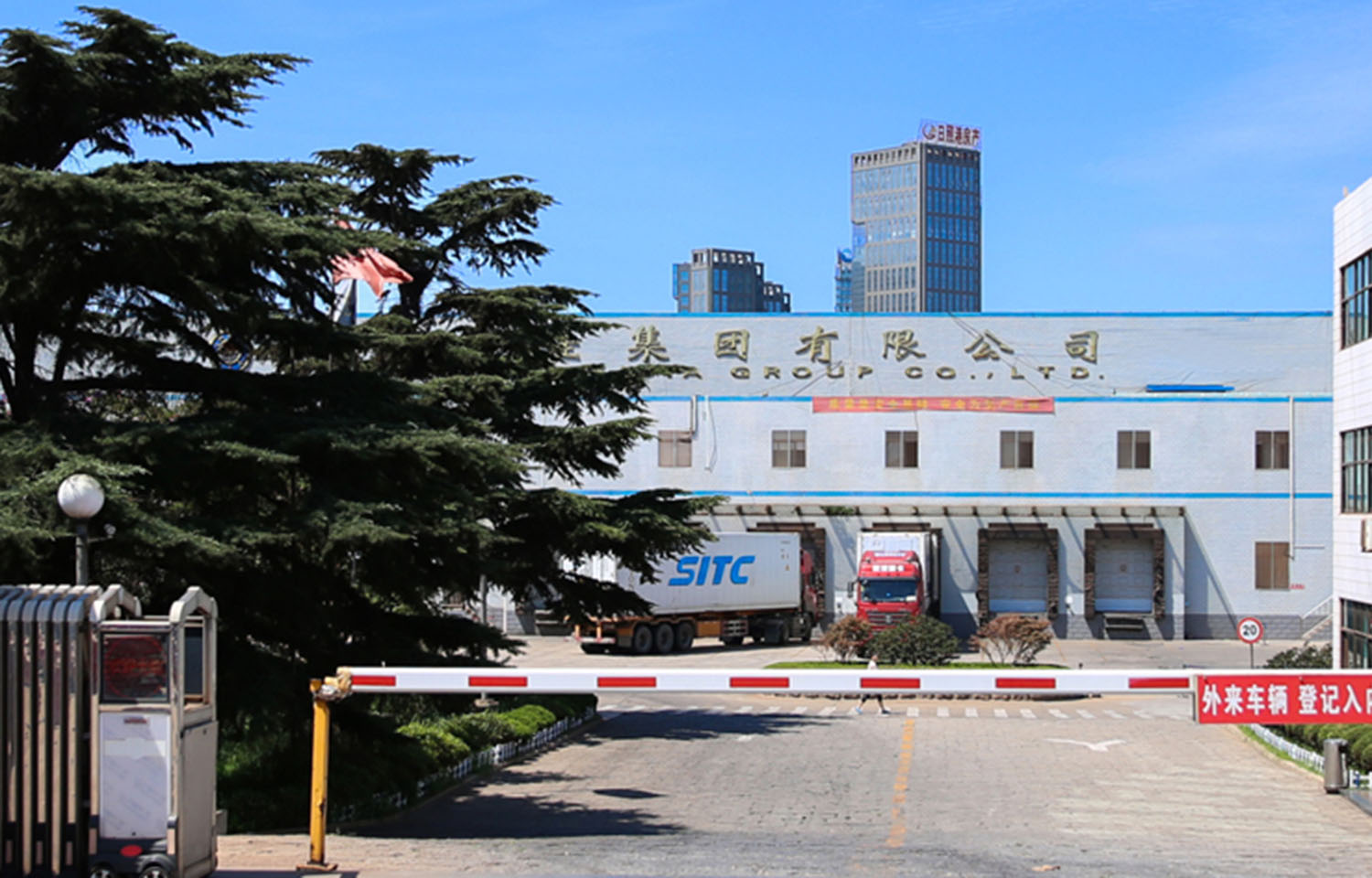
The U.S. Department of Homeland Security (DHS) has added the Shandong Meijia Group to the Uyghur Forced Labor Prevention Act (UFLPA) Entity List, effectively banning imports from the company.
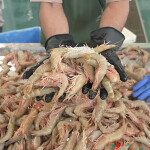
Shandong Meijia, also known as the Rizhao Meijia Group, is based in Shandong province, China, and sells a number of different seafood products. Shandong Meijia subsidiaries Rizhao Meijia Aquatic Foodstuff and Rizhao Meijia Keyuan Food Co. are also both active exporters of Argentine red shrimp to the U.S. and Canada, according to the Southern Shrimp Alliance (SSA).
According to the DHS, credible evidence indicates that the company participated in government-sponsored labor transfer programs that moved people from the Xinxiang Uyghur Autonomous Region, including Uyghurs, out of the region to its factories in Shandong.
The move came alongside DHS actions taken against two other companies in the footwear and aluminum sectors.
“We have shown again through today’s enforcement actions that the United States is taking concrete steps to keep goods made with forced labor out of U.S. supply chains,” DHS Undersecretary for Policy Robert Silvers said in a release. “It is imperative for companies to conduct due diligence and know where their products are coming from.”
Multiple different reports have linked the presence of Uyghur labor to Shandong Meijia Group’s supply chain. A report published in 2022 by risk analysis and compliance advisory firm Kharon showed that Shandong Meijia accepted workers through the Uyghur labor-transfer program. Another report published by the Outlaw Ocean Project in October 2023 also showcased evidence of the use of Uyghur labor at several seafood firms in China – including Shandong Meijia.
Under the UFLPA, goods found to be processed using Uyghur labor are not allowed to be imported to the U.S., and any company on the entity list is subject to a “rebuttable presumption” that goods are prohibited from entering the U.S.
The Outlaw Ocean Project sent messages to the Shandong Meijia Group and its subsidiaries. Both Rizhao Meijia Aquatic Food and Rizhao Meijia Keyuan responded and claimed that the company did not currently have any employees from Xinjiang Province.
Nevertheless, news of the ban was welcomed by the SSA, which petitioned the DHS’s Forced Labor Enforcement Task Force (FLETF) to add Shandong Meijia to the entity list. According to the SSA, the FLETF observed that 12 million pounds of Argentine red shrimp processed in China were exported to the U.S. in 2023 and that it may have been packed in Chinese plants using Uyghur labor.
“The U.S. shrimp industry applauds the FLETF’s decisive action against the exploitation of the Uyghur people in Chinese seafood-processing plants,” SSA Executive Director John Williams said. “The SSA remains committed to countering forced labor in shrimp supply chains wherever it is found, and we look forward to future action by this administration to ensure that American consumers are not unintentionally supporting modern slavery.”
Williams said Argentine red shrimp processed in China by Uyghur labor should not be able to compete with shrimp caught in U.S. waters.
“The FLETF’s initiative to counter forced labor in seafood supply chains sends a strong message to U.S. seafood importers that chasing lower costs and higher margins cannot replace ethical and legal obligations,” he said.
Nonprofit groups also welcomed the DHS’s announcement, calling it a win for the fight against labor abuse.
“It is completely unacceptable for seafood produced using forced labor to enter our borders, so it’s encouraging to see DHS take this important step,” Oceana Illegal Fishing and Transparency Campaign Director Max Valentine said.
Valentine also said DHS’s move to ban Shandong Meijia highlights why Oceana is pushing for greater traceability in seafood imports through implementing the Seafood Import Monitoring Program.
“NOAA should follow the lead of DHS and expand the Seafood Import Monitoring Program to all imports so we can continue tackling this issue head-on,” Valentine said.
