



The United Nations is meeting until 6 November and is considering a proposal to phase out bottom trawling on high-seas seamounts.
The U.N. regularly considers different fisheries resolutions and annually considers and adopts its “Oceans and the law of the sea” resolution in December. Armenia, as well as Monaco, have proposed a phase-out of bottom trawling at high-seas seamounts, drawing praise from nonprofits like the Deep Sea Conservation Coalition (DSCC) and the Marine Conservation Institute.
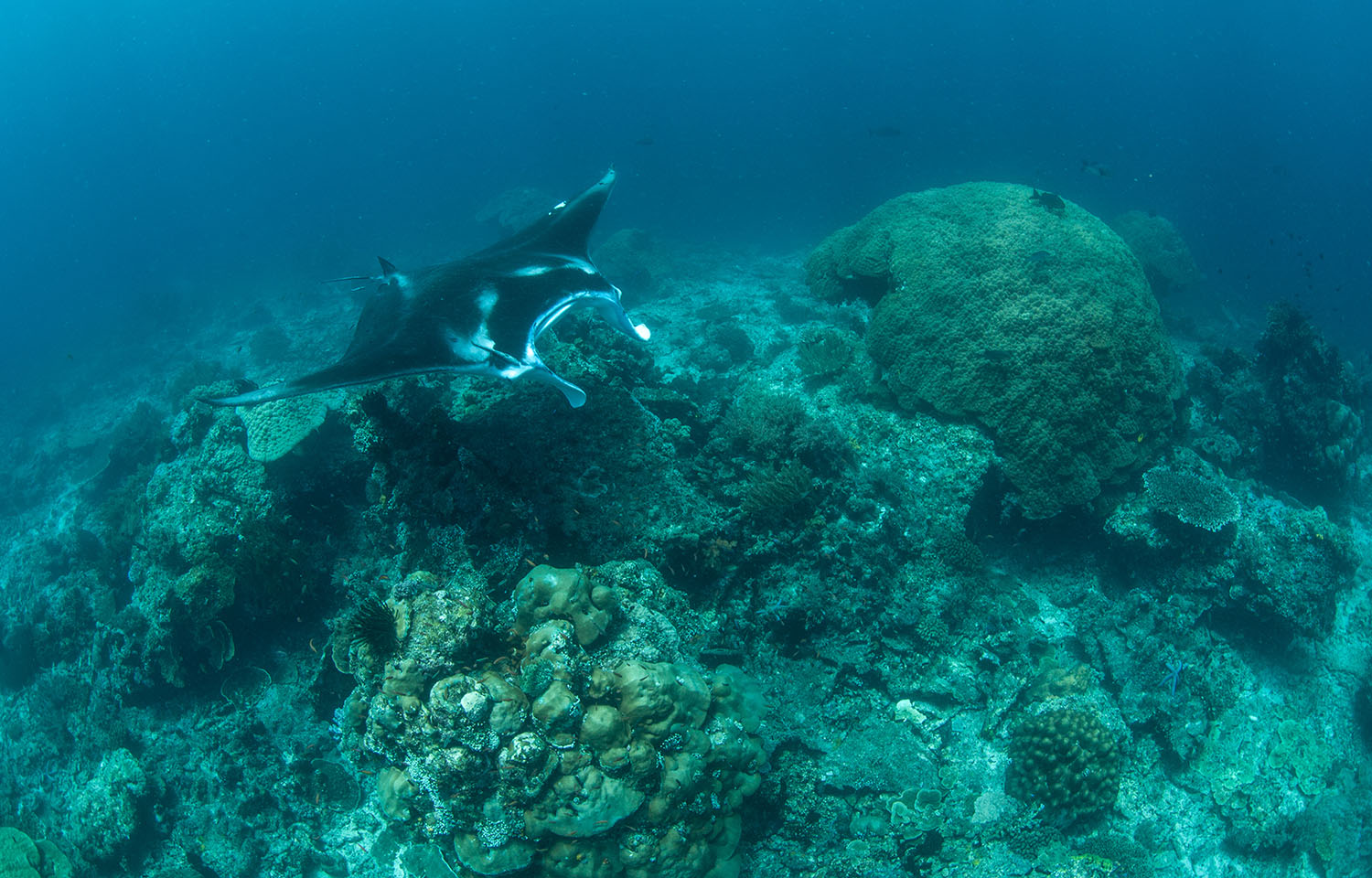
According to the nonprofits, the proposal would effectively end the practice on 21 percent of the seafloor. The DSCC said the move would protect a range of marine life while also helping sustain the wider marine ecosystem due to seamounts role in ocean life.
“Seamounts are lifelines of the ocean, supporting extraordinary biodiversity across around a fifth of the global seafloor,” DSCC Seamounts Campaign Director Bronwen Golder said in a release. “This year’s UNGA Sustainable Fisheries Resolution negotiations are a pivotal opportunity for governments to turn commitments into active implementation by agreeing to end bottom trawling on high-seas seamounts by the end of 2027.”
Multiple organizations, including the DSCC, Marine Conservation Institute, and the International Program on the State of the Ocean, issued a proclamation in 2025 urging governments to protect seamounts ecosystems from “destructive fishing,” a proclamation now backed by over 400 scientists. In October 2025, the International Union for Conservation of Nature adopted a resolution to end bottom trawling in seamounts by the end of 2026, which Golder at the time said represented a “tangible step toward ocean protection.”
That resolution has since evolved into the current one proposed by Monaco and Armenia. Armenia was the president of the U.N. Biodiversity Conference (CBD COP17), which ran from 19 to 30 October, and proposed new resolution text to “prioritize the protection of seamount ecosystems from multiple threats, including but not limited to overfishing and destructive fishing practices.”
“With CBD COP17 and the U.N. Sustainable Fisheries Resolution negotiations taking place back to back, governments must seize this moment to turn their biodiversity commitments on paper into urgent action for the ocean,” DSCC Executive Director Sian Owen said. “Setting a clear deadline to phase out bottom trawling on high-seas seamounts is essential to delivering 30 by 30, and a strong and serious signal going into the first Conference of Parties on protecting biodiversity beyond national jurisdiction in January.”
The International Coalition of Fisheries Associations (ICFA) has defended trawling at past U.N. conferences, calling it a vital part of the solution to creating a sustainable food system.
“Without the use of trawl gear and associated sustainable practices, global food security would be in greater peril,” ICFA Chair Ivan López Van de Veen said. “With 82 percent of global wild-capture fish volume already coming from sustainable sources, the fishing sector is not the problem; it’s a partner in progress.”
