

Norway to highlight quality, sustainability at SENA 2026
Sponsored
The Norwegian Seafood Council (NSC) said it will once again showcase the unique qualities of seafood from Norway at Seafood Expo North America, taking place in Boston, Massachusetts, U.S.A., from 15 to 17 March.
“SENA is a valuable opportunity for us to come together as an industry and showcase what makes Norwegian seafood the global standard for excellence,” NSC U.S. Director Karine Rød Haraldsson said.
Despite its small population, Norway is the world’s second-largest exporter of seafood. Its extensive natural resources and advanced aquaculture technology coupled with a steadfast commitment to sustainability, conservation, and responsible farming, make Norway a highly trusted source for seafood importers, according to NSC.
With a long, jagged coastline stretching into the Arctic Circle, the country is defined by a rugged, unforgiving environment – one that, Haraldsson said, has shaped a culture of resilience and hard work while helping to produce some of the finest seafood in the world.
Snow-capped mountains feed Norway’s fjords and coastal waters with “fresh, pristine, ice-cold runoff, creating ideal conditions for seafood to grow slowly and develop exceptional quality,” Haraldsson noted, adding that the cold, clear waters and deep fjords make Norway a uniquely suitable environment for seafood to thrive, whether its salmon, steelhead trout, snow crab, king crab, cod, or halibut.
“Fish, crab species, and shellfish grow slowly in these icy waters, yielding seafood that is prized globally for its purity, texture, and taste,” Haraldsson continued. “From the Arctic north to the rugged coastline, Norway’s natural environment shapes the character of every species harvested from its waters.”
According to NSC, Norwegian fishing dates back to the Stone Age. An abundance of cod – a species once so valued that it was used as currency – originally attracted settlers to its coastline 11,000 years ago.
“For centuries, fishing has been at the heart of Norwegian life, shaping not only our coastal communities but also our national identity. What began as a necessity for survival has evolved into a world-class seafood industry built on knowledge passed down through generations.” Haraldsson said.
Today, Norway’s seafood industry continues its legacy by following rigorous standards designed to optimize quality while safeguarding ocean health, per NSC.
“Norway is an international leader in harvesting practices and wild resource management, with the sustainability of its fisheries protected by law. The country applies a holistic, ecosystem‑based approach that ensures resources are managed responsibly and in accordance with independent scientific advice,” the organization added.
“Cooperation between the Norwegian government, scientists and third-party institutions ensures that the management is based on research and knowledge,” Haraldsson said.
When new science indicates pressure on the stocks, quotas are adjusted accordingly – a core principle of Norway’s adaptive approach to long‑term sustainability, she explained.
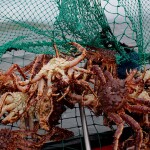
“Shellfish species such as king crab and snow crab are harvested under strict quotas, with conservation periods during sensitive life cycles,” Haraldsson said. “Fishers operate with deep respect for species and seas, selecting only the highest-quality catch and ensuring rapid, careful handling from sea to shore.”
What Norway is best known for, however, is its farmed salmon.
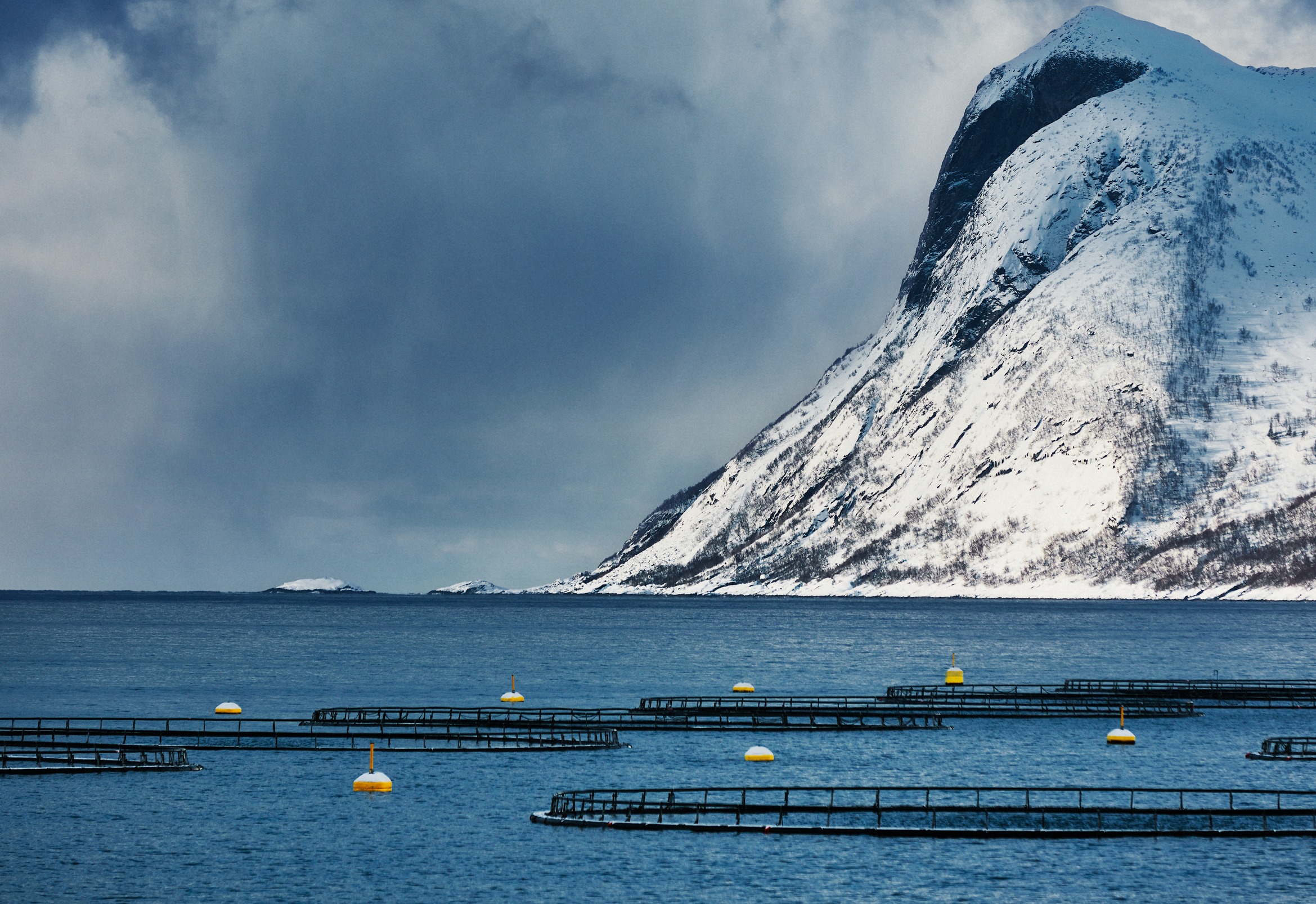
Met by both cold Arctic waters and the warm Gulf stream, the Norwegian coastline provides Atlantic salmon with stable temperatures and ideal ocean conditions to support healthy, steady growth.
Norwegian fish farming began in the 1970s, when the country pioneered the first-ever ocean-farmed Atlantic salmon in floating sea cages. Since then, the country has become a global leader in aquaculture innovation, continuously developing advanced technologies and strengthening regulatory frameworks to promote responsible growth.
“There’s a reason Norway is the number one exporter of salmon in the world,” Haraldsson said. “People can enjoy Norwegian salmon’s superior taste and texture, while feeling good about their choice to purchase sustainably farmed seafood.”
Exporters around the world, including in North America, continue to turn to Norway for high quality, sustainable seafood, Haraldsson noted.
“Aqua Best has been importing Atlantic farmed salmon from Norway for many years, relying on the country’s ability to consistently deliver top quality fish without sustainability concerns,” said Steven Wong of Aqua Best, a New York City, New York, U.S.A.-based seafood supplier. “In today’s market, quality and responsible farming go hand in hand – and Norway continues to set the standard for both.”
Visit Norwegian exporters at Seafood Expo North America from 15 to 17 March 2026 at the Thomas M. Menino Convention & Exhibition Center in Boston, Massachusetts, U.S.A.
For more information on Seafood from Norway, click here.