






The U.S. started out 2025 as the top buyer of Norwegian seafood but fell to third place behind Poland and China in July, according to the latest figures from the Norwegian Seafood Council (NSC).
NSC Communications Director Martin Skaug told SeafoodSource that while the new tariffs levied by the U.S. on all Norwegian goods might have contributed a bit to July’s shakeup, the NSC is primarily attributing it to the massive volume growth of farmed salmon – both from Norway and other markets this year. Poland’s ascension up the rankings can, therefore, be attributed to the fact it is a country that heavily processes and redistributes salmon to other markets.
Consequently, the NSC won’t be making any drastic changes to its approach in the U.S. market any time soon, he said.
“It’s still all about educating consumers, highlighting the benefits of eating seafood, underlining Norway’s expertise and, thereby, its quality seafood. Marketing is a long game, and we are steadfast on our American presence,” Skaug said. “It’s a market where consumption still is relatively low per capita and where the drivers for choosing seafood, and Norwegian in particular, fits very well with our offerings [such as] the desire to live a healthy life, eating nutritious and tasteful food, keeping up with taste trends, staying away from ultra-processed. It’s a great match, and thus, our efforts in the U.S. will continue.”
Though the NSC won’t be making any changes to its U.S. marketing strategy, Skaug said the council will closely monitor how the increased tariffs affect the strategies of producers.
“I think it’s fair to assume that most exporters have positive experiences with having a diverse portfolio and offering a product which is sought after in many regions of the world,” he said. “Every player must of course do their own evaluations of the situation, but these are the kinds of situations that may accelerate a shift in strategy and market priorities. That’s a question for the industry itself. On our end, we always have a long horizon when planning for marketing investments.”
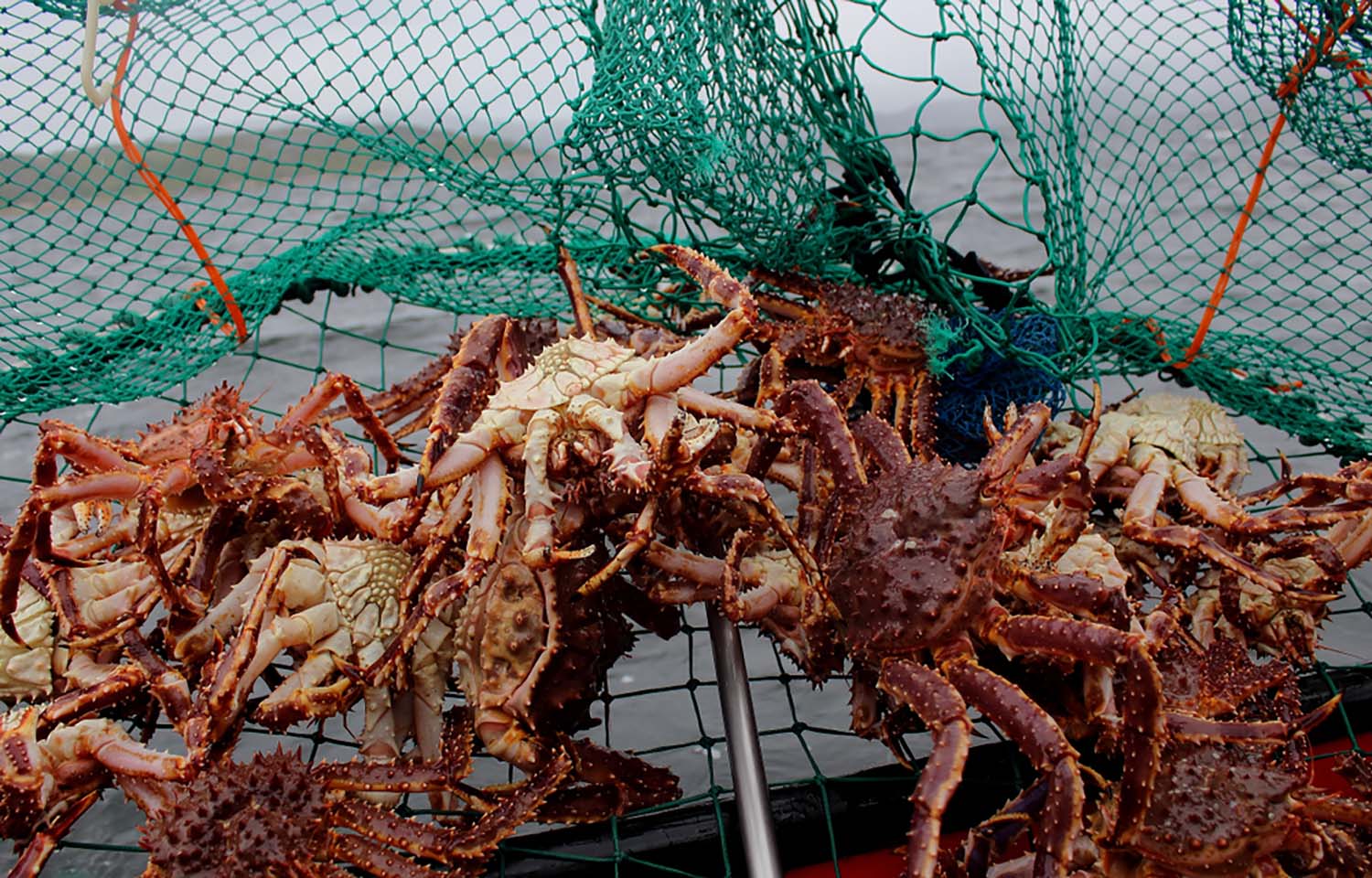
There were also still several bright spots in the U.S. market in July, particularly with Norwegian king crab and snow crab, sales of which were up NOK 57 million (USD 5.6 million, EUR 4.8 million) and NOK 60 million (USD 5.9 million, EUR 5 million), respectively, year over year. The NSC expects these growth trends will continue in the third and fourth quarters of 2025, especially for king crab.
“With this year’s [king crab] quota increase of 56 percent to 1,510 metric tons, there is still a quota remaining to supply the market through the autumn. Since sanctions were imposed on Russian crab, there has been a shortage of king crab available, as only Norway and Alaska – aside from Russia – harvest red king crab. This has led to increased exports from Norway at record-high prices for the largest sizes,” Skaug said.
At the same time, there was a limited availability of snow crab at the beginning of the year, which led to heavily increased demand for Norwegian snow crab until Canada started its season in the spring.
“Demand has remained strong despite the changed competitive landscape. Market players want to have Norwegian snow crab available, and with an extended harvesting season, this led to higher volumes in both June and July,” he said. “The season is now over, and it is expected that there will be lower volumes available until the new season starts again in January.”
As for salmon, the NSC isn’t concerned by the shifts in the market, even as U.S. imports of Norwegian salmon only rose 3 percent by value in July.
“It’s the classic market dynamics of supply and demand, and such a significant add-on in value will give certain effects, which we are seeing now. We’ll continue to support Norwegian players by working along our long-term lines of positioning Norwegian seafood and salmon and trout in particular. Understandably, swift changes in price [are] seldom positive for neither seller nor buyer, but our focus is on long-term marketing and insights,” Skaug said.
The NSC will continue to target the U.S., but it may also dedicate more resources to China, which bought huge amounts of Norwegian seafood in July.
China’s export value of Norwegian seafood increased by a massive 88 percent in the month, increasing by NOK 613 million (USD 60.1 million, EUR 51.6 million) to reach NOK 1.3 billion (USD 127 million, EUR 109 million).
The NSC has been making a post-Covid push toward marketing more heavily in China, seeing the giant Asian market as an incredibly lucrative opportunity.
“We are seeing relatively smaller cities with consumers who are also willing to try new things, as well as consumers who are curious about what salmon is and want that experience,” Andres Thorud said in early 2024 when he was NSC’s China director. “That’s the vision going forward; we think the Chinese salmon market will be very dynamic and has significant growth potential.”
