



The U.S. has evolved into one of Norway’s largest growth markets for its seafood exports, but the industry is keeping a close eye on whether U.S. President Donald Trump follows through on his latest tariff threats.
Norway’s seafood exports increased in 2025, and its exports to the U.S. grew 19 percent by value despite exports waning in the latter half of the year due to the implementation of a 15 percent tariff on Norwegian goods. Norwegian Seafood Council (NSC) U.S. Director Karine Rod Haraldsson, speaking to SeafoodSource during the Global Seafood Market Conference in Hollywood, Florida, said the NSC has continued to emphasize the U.S. market.
“Our main goal is to increase awareness and preference for Norwegian seafood,” Haraldsson said.
Haraldsson told SeafoodSource that NSC has plans to campaign with soccer superstar Erling Haaland, who signed a promotional deal with the Norwegian Seafood Council in 2024, as the U.S. is scheduled to host the World Cup.
However, Trump’s sudden announcement of a potential 10 percent tariff on all Norwegian goods has the NSC planning contingencies on its marketing spending depending on what action the U.S. takes.
“We haven’t made any decision on that, but of course, if we’re getting the extra 10 percent ... it will be hard for us to continue as we have done before,” Haraldsson said. “Then, the market access is really closed for Norwegian products – that is our assumption. There’s no reason for us to invest the amount of money we are investing now if we don’t have access for the products anymore."
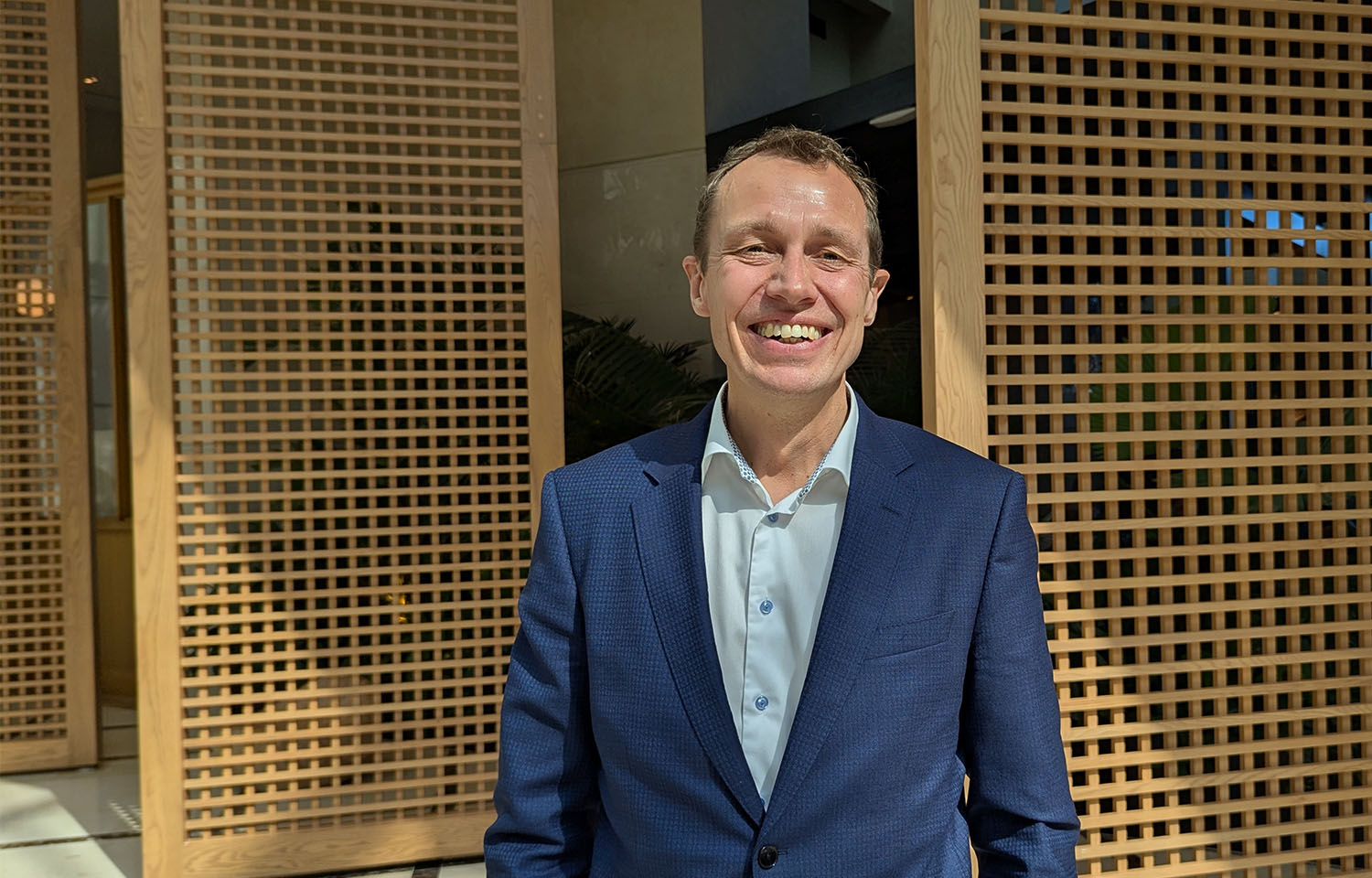
NSC CEO Christian Chramer told SeafoodSource the news of new tariff threats caught the Norwegian industry by surprise and would add to the challenges it is already facing in the U.S. market.
“I think it’s unsettling for the industry that has been working for so long to build a consistent market in the U.S., which has a strong preference for Norwegian seafood products,” Chramer said. “We have been doing a lot of year-by-year increased activities in the U.S. market.”
Those efforts have been paying off, and the NSC told SeafoodSource its marketing strategy has continued in the face of the tariffs Norway is grappling with. However, Chramer said that the 15 percent tariff has already placed it at a disadvantage compared to other major salmon exporters who are facing lower tariffs.
“The playing field is quite unlevel and not very positive for Norway so far,” Chramer said.
He said the addition of another 10 percent tariff on top of the 15 percent it is already facing would be a big obstacle, and if it escalates to 25 percent, the U.S. could be effectively closed off to Norway as a market.
As the NSC is forced to consider where it spends its marketing budget, Asia has increasingly been a focus. China in particular was one of the fastest-growing markets for Norwegian salmon in 2025 and will be a focus regardless of how the tariff situation in the U.S. works out, Chramer said.
“We are in a lucky position; we export seafood to 150 countries and salmon to 130 of them,” Chramer said. “In Asia, it’s very strong, as well as Thailand, Korea, Vietnam, to name a few. I think the Middle East is also coming on strong, so to further develop the Middle East is also on our agenda.”
Chramer said the NSC is in constant dialogue with its board of directors and various seafood producers as the tariff situation unfolds but cautioned that nothing official has been confirmed.
“This is a statement from the president that has so far not been set into action; he has not presented an order,” Chramer said. “We are following the situation keenly.”
He said Norwegian companies have been working hard to make connections in the U.S., and maintaining those connections and trade relationships will continue to be important in the coming years regardless of the tariff situation. While the size of its commitment to the U.S. may vary, maintaining a position in the market continues to be important given its status as a major consumer of seafood.
“Norwegians are really keen on succeeding in the U.S. Many companies have been really working hard to grow and build strong bonds in the U.S., and I hope that we will be able to do that in the future,” Chramer said.
