






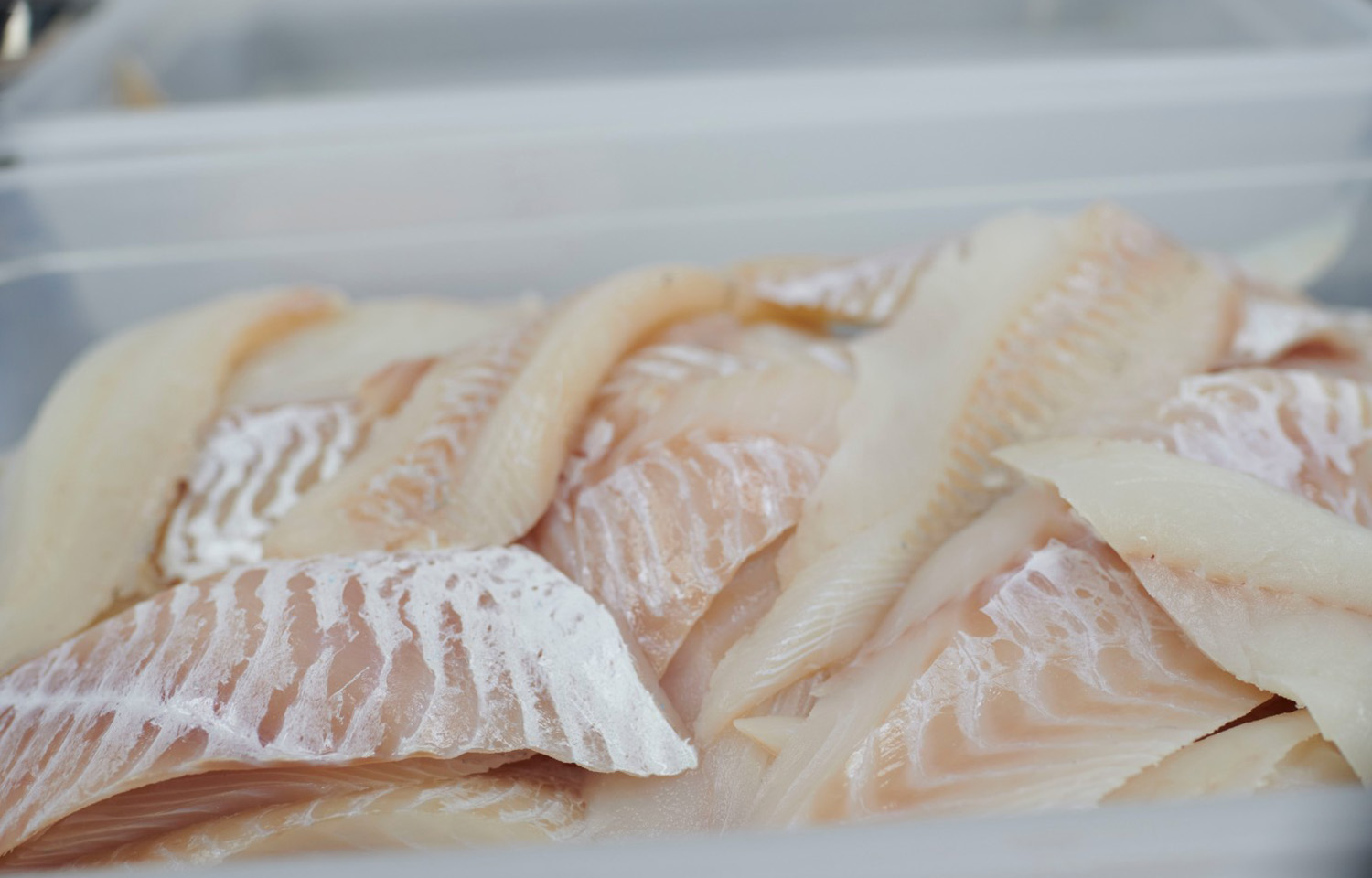
According to the Norwegian Seafood Council (NSC), seafood stakeholders in the U.K. have ample opportunity to enhance promotion around seafood’s natural protein content and other nutritional benefits, especially as diets high in protein continue to gain popularity in the country.
In a release, NSC highlighted that as consumer interest has grown in natural protein sources, the protein category in U.K. retail stores has expanded to include protein-fortified snack bars, drinks, and even cereals. U.K. retailer Ocado reported a 20 percent year-over-year increase in searches for “natural protein” last year.
Considering this surge in popularity, NSC U.K. Country Director Bjørn-Erik Stabell said protein is an obvious selling point for Norwegian seafood, with raw salmon from Norway containing around 20 grams of protein per 100 grams and cod containing 17.4 grams per 100 grams.
The challenge, however, lies in effectively communicating those facts to consumers.
“The protein category has been extremely successful at making one benefit simple and visible, and seafood can learn from that by making its own protein credentials – alongside wider nutrition, provenance, and origin – easier for consumers to recognize. Norwegian fish already provides high-quality protein naturally, alongside wider nutrition and a strong provenance story,” Stabell said. “The opportunity is to make that complete value clearer to consumers, rather than creating an entirely new proposition around seafood.”
NSC data found that 76 percent of consumers are buying foods with added benefits such as protein, fiber, vitamins, or minerals, and health is now the leading consumption driver for chilled seafood.
Beyond protein, seafood includes several other key nutrients that many people in the U.K. don’t get enough of, according to Juliette Kellow, a registered dietitian and nutrition consultant. She noted that 13 percent of U.K. adults have very low iodine intake, 28 percent have low potassium intake, and 45 percent have low selenium intake – all of which are plentiful in protein-rich fish such as cod, haddock, and saithe.
Compared to other types of animal proteins, Kellow said that seafood also has lower amounts of saturated fat, which can increase risk of high cholesterol and heart disease and which U.K. adults, on average, consume too much of.
“Whitefish and shellfish like prawns are all low in saturated fat, making them a great choice for keeping intakes down while still packing in protein and a variety of vitamins and minerals,” she said.
As health trends around protein and fiber intake continue to gain momentum in the U.K., U.K. Seafood Federation CEO Simon Dwyer said it’s up to the seafood industry to make sure the category is included in the conversation.
“Norwegian seafood plays an important role in the U.K. supply chain, and there is a strong growth opportunity if we collaborate as an industry to ensure seafood is a wider part of the protein conversation,” he said. “Clearer communication around protein, nutrition, origin, and provenance can help U.K. consumers better understand the full value of the seafood they buy.”
