



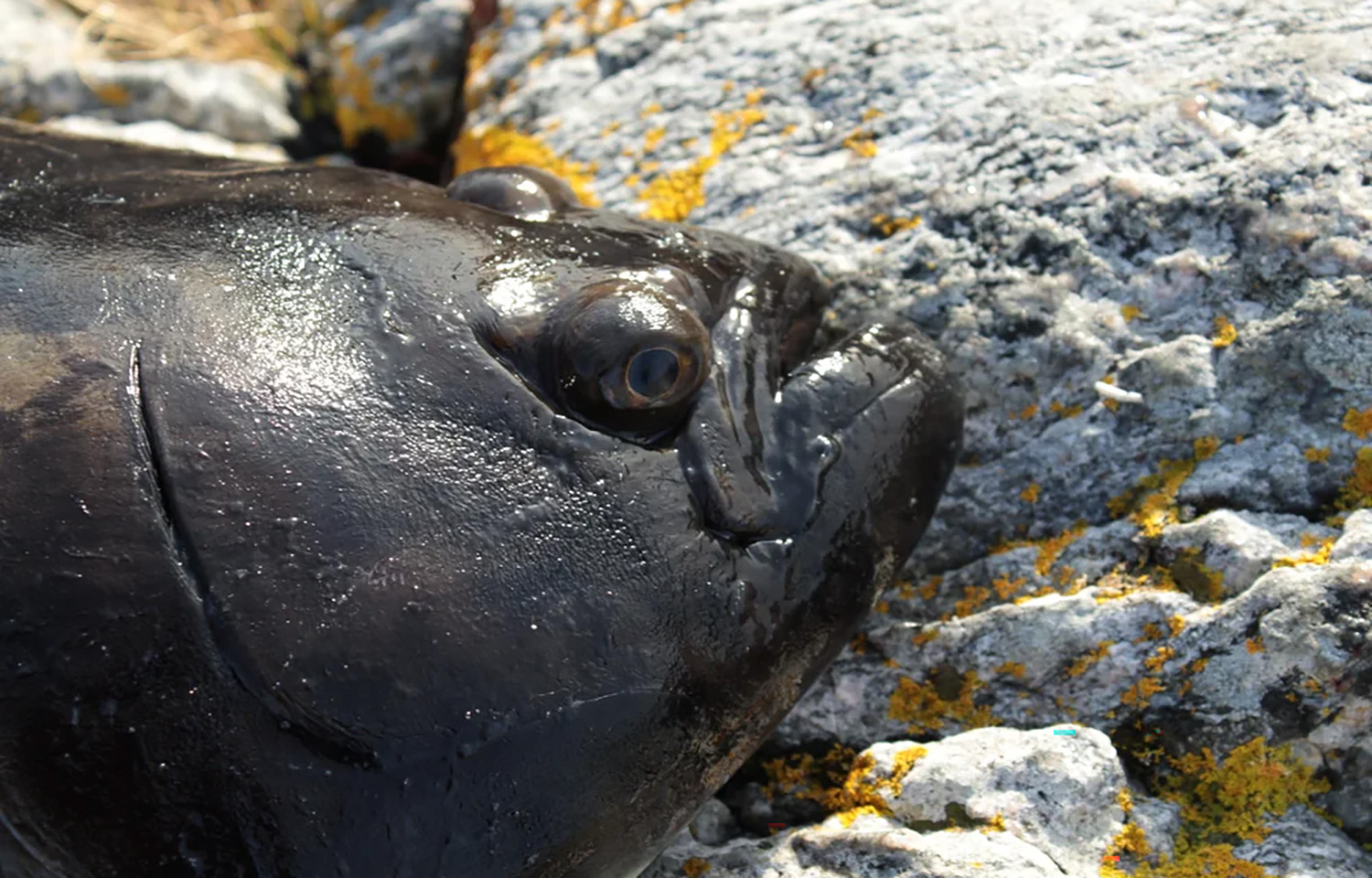
Norway is anticipating a significant increase in halibut production, with the Norwegian Seafood Council (NSC) forecasting annual output of more than 20,000 metric tons (MT) by 2030, compared with 2,500 MT currently, as the industry targets growing demand for premium seafood in markets such as the United Kingdom.
According to the NSC, increased production could potentially make farmed halibut one of Norway’s fastest-growing seafood categories.
Meanwhile, on the other end of the supply chain, the council suggested the increase could give U.K. retailers, foodservice operators, and specialist suppliers greater scope to develop halibut as a premium whitefish option, moving it beyond its traditional role as a niche product associated with restaurants and special occasions.
The NSC said the species combines several attributes increasingly sought by premium seafood consumers, including quality, versatility, year-round availability, and Norwegian provenance, adding that its research indicates 56 percent of U.K. consumers are willing to pay more for sustainable seafood while seven in 10 say country of origin influences their seafood choices.
NSC U.K. Director Bjørn-Erik Stabell said as supply grows, there’s “greater scope to build familiarity with a species that already has strong premium credentials” and give consumers more opportunities to enjoy it.
“For retailers, suppliers, and chefs, its combination of quality, provenance, versatility, and nutritional value creates potential across different products, menus, and occasions,” he said.
Greater availability could also allow retailers to introduce halibut across a broader range of premium meal solutions and occasion-led products while giving provenance greater prominence in category marketing, NSC said.
For foodservice buyers, NSC highlighted the fish's firm white flesh and mild flavor as attributes that allow it to be used across a range of cooking methods, including grilling, steaming, frying, boiling, and baking.
The fish can also be used in raw preparations, according to the NSC, potentially extending its application across premium menus.
The council also said it sees an opportunity to position halibut within the growing consumer focus on protein, with its research suggesting that though consumers are increasingly interested in protein, fish ranks only fifth when they spontaneously consider protein sources.
Stabell said increasing familiarity would be an important part of converting greater supply into category growth.
“With consumers increasingly focused on protein and looking to incorporate more whitefish into their diets, there is a real opportunity to increase familiarity with halibut and strengthen the premium whitefish category in the U.K.,” he said.
Norwegian Atlantic halibut is produced through both wild capture and farming, with farmed production playing a growing role in providing year-round availability. Almost all farmed halibut is exported fresh, with the U.K. and U.S. currently identified by the NSC as the leading export markets.
