


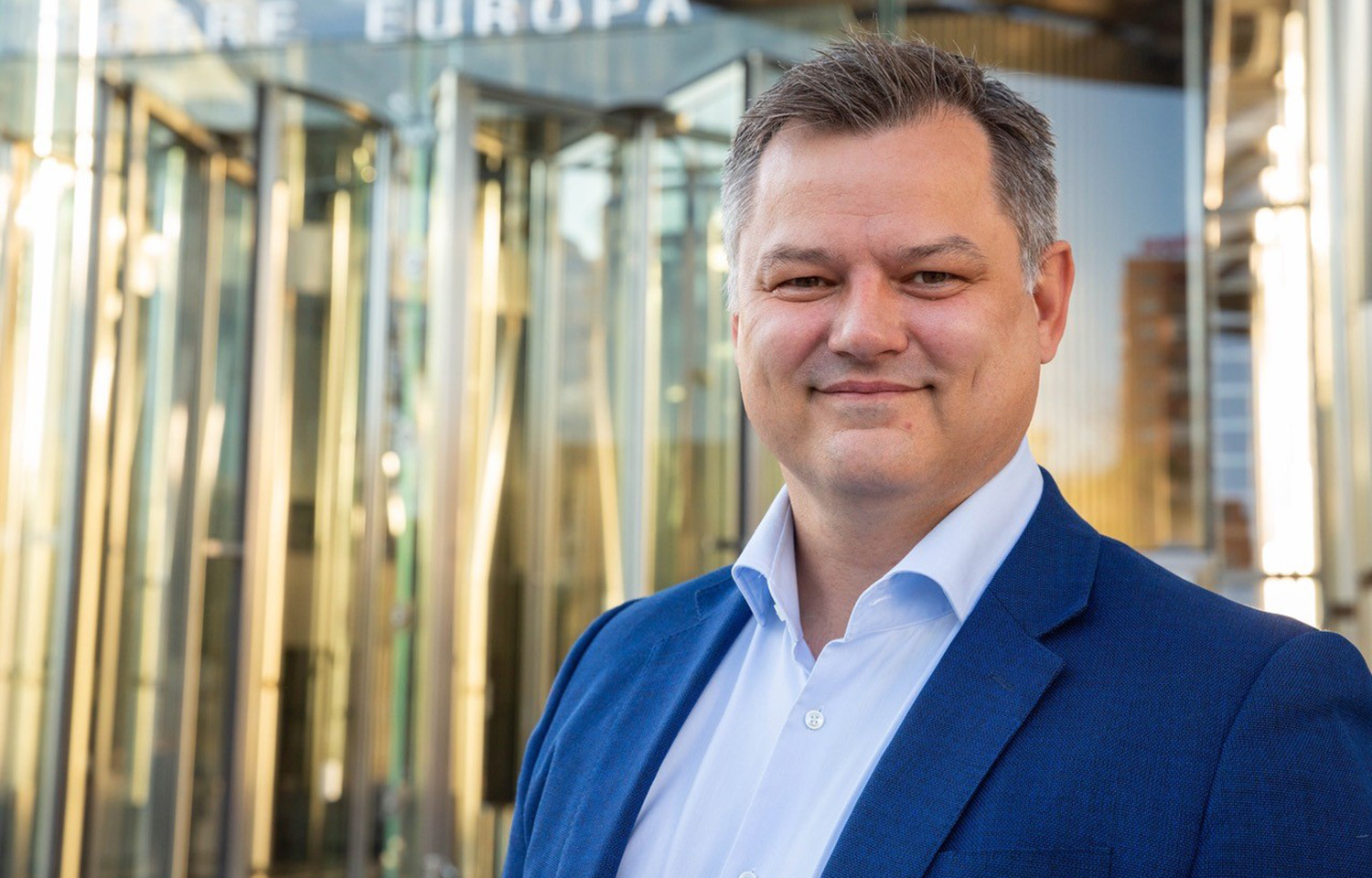
The Norwegian Seafood Council (NSC) has named Bjørn-Erik Stabell its new U.K. director, who is planning on using his two decades of seafood experience to further strengthen seafood ties between the two countries.
Stabell served most recently at the industry trade body – which is owned by the Norwegian government and financed by the Norwegian seafood industry through an export levy – as its head of strategy and sustainability, where he shaped global market strategies and the council’s sustainability agenda. Prior to that, he led the NSC’s work in Spain and developed the organization’s global whitefish marketing strategy in Norway.
That experience developing whitefish marketing will come in handy given the importance of the U.K. market to Norway’s whitefish export sector.
“The U.K. is one of the most important markets for Norwegian cod and haddock, accounting for 20 percent of our fresh and frozen cod exports and a remarkable 40 percent of haddock exports,” Stabell told SeafoodSource.
In H1 2025, the country’s exports to the U.K. grew in value, and the country was the largest market for frozen Norwegian cod in the period. The U.K. had the highest value growth in the period for frozen cod, with an increase of 26 percent in value terms over H1 2024.
While the value increased, the volume decreased – and Stabell acknowledged that wild-caught products have limitations.
“The Norwegian fisheries model is grounded in science-based quotas and long-term ecological stewardship,” he said. “So, while growth for wild-caught cod and haddock is constrained by quota limitations, Norway is increasing its production of farmed cod which opens up opportunities both in established segments and emerging ones like raw consumption.”
Stabell said that while the U.K. is an important market for Norway’s whitefish, it’s also a growing market for other species, and Norwegian salmon, fjord trout, halibut, coldwater prawns, and saithe are all showing growth.
“Each of these species holds strong growth potential across different market segments,” he said. “A central part of my role will be to ensure the Norwegian origin remains relevant and strong while working closely with both Norwegian and U.K. industry players to identify and unlock new opportunities.”
Stabell said his previous role as the head of strategy and sustainability lends itself to his new role, especially in identifying and unlocking new opportunities given some of the core missions of NSC’s sustainability efforts.
“For an organization like the Norwegian Seafood Council, which represents an entire industry, our role in sustainability is primarily about communicating relevant topics effectively both to stakeholders across the value chain and to consumers,” Stabell said. “It’s about positioning Norway as a responsible seafood nation and making sure that the sustainability of our species is well understood.”
Markets like the U.K. feature consumers who are increasingly concerned about the sustainability of the food they are eating, and Stabell said retailers and industry players in the country have integrated sustainability into their seafood operations.
“This vision aligns perfectly with the Norwegian seafood industry, which shares the same commitment,” Stabell said.
He said seafood has the opportunity of playing a transformative role in sustainability in terms of factors like climate emissions, freshwater use, and land use.
“We simply cannot continue expanding farmland indefinitely,” Stabell said. “This is where seafood, and particularly responsibly managed marine resources, can play a transformative role. By producing more food from the ocean, we can reduce pressure on land and freshwater systems while still meeting growing demand. Norway is well positioned to lead in this area, and I believe it’s a message that resonates strongly in the U.K.”
Stabell was appointed to his new role in early September and is starting his tenure with initiatives like a U.K. hospitality stakeholder trip to Norway, as well as the Roux roundtable – an event hosted by Seafood from Norway Ambassador Chef Michael Roux. Stabell said collaboration with foodservice and restaurateurs is an important part of his new role, given foodservice’s importance to the seafood marketplace.
“Our research shows that 35 percent of fish servings out of home feature cod and haddock, underscoring the strategic importance of working closely with chefs and hospitality professionals,” Stabell said. “Collaborating with opinion leaders helps us grow demand for seafood in the U.K., benefiting both consumers and the industry. I’m also proud of our continued strong relationship with the iconic fish and chips sector. These combined efforts will help us serve consumers even better in the years ahead.”
Stabell said the National Federation of Fish Friers – a trade association representing the country’s fish and chip trade – has been “instrumental” to Norwegian seafood’s relationship with the trade.
“Moving forward, I’m eager to continue this partnership, sharing inspiration, building knowledge, and exploring new ways to connect with younger generations, whether through digital platforms, sustainability messaging, or culinary innovation,” he said. “I really believe we become stronger together.”
Stabell said collaboration across borders will continue to be a major focus of his efforts, building on the lessons he has learned.
“Winning over the food consumer requires collaboration across borders, industries, and disciplines. In every market, success comes from combining deep consumer insight with strong visibility and share of voice for seafood,” he said.
Regardless of his efforts, Stabell said Norway and the U.K.’s seafood relationship already offers a “strong platform to build on.”
“Working with such a developed and forward-thinking industry will be a rewarding challenge, and I’m excited to contribute to its continued evolution,” he said.
