




A 2,000-year-old approach toward health is finding new usage in modern aquaculture, as Chilean animal health firm Sudvet is using botanical compounds to strengthen fish resilience, improve animal welfare, and reduce the industry's reliance on antibiotics and antiparasitic treatments.
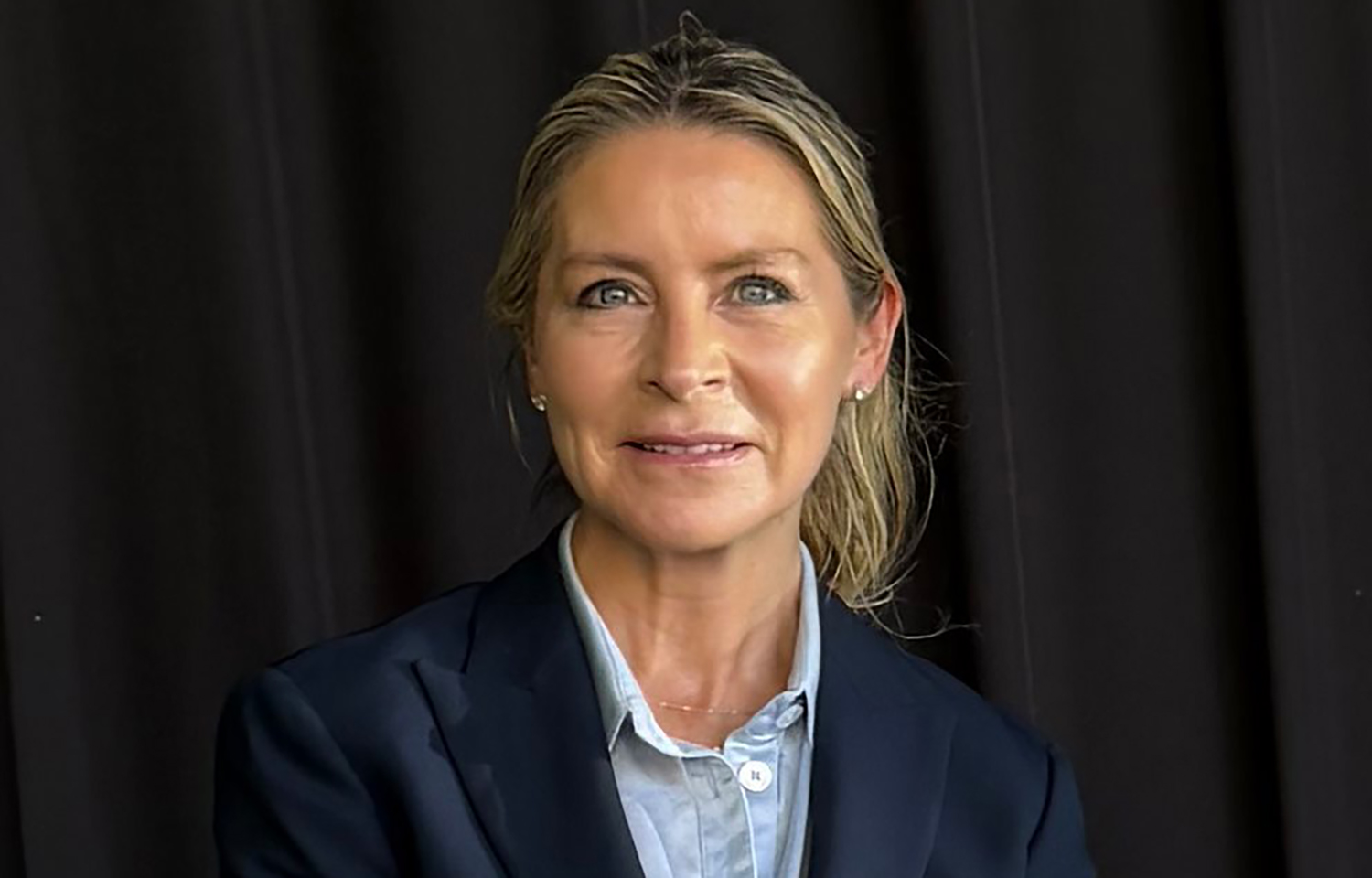
The concept behind Sudvet's solutions began in 2007, when Founder and CEO Marcela Delgado began exploring ways to strengthen immunity at the cellular level, manage stress, and address broader factors affecting human health.
“It is not always possible to solve problems with an antibiotic, chemical, or antiparasitic [remedy] alone,” she told SeafoodSource. “There are often ways to prevent, strengthen natural immunity, and improve the body’s resistance to generate a much greater impact.”
Her interest was also personal, as her mother had cancer, prompting Delgado to investigate approaches focused on immunotherapy, cellular resilience, and overall well-being.
At the time, Delgado was working in the salmon industry, and her experience in aquaculture led her to consider how the same principles for human well-being could be applied to animal health.
This work led Delgado into developing botanical formulations intended to protect fish using a preventive approach, strengthening animal wellness before disease appears.
The starting point included extensive research into the existing literature on medicinal plants, followed by experimental work examining different botanicals, extraction methods, and approaches for obtaining the active compounds from each plant, as well as learning about the history of botanical usage, which is more than 2,000 years old.
The scientific development of the approach then involved laboratories, universities, and research centers in Chile and abroad. Since 2015, Sudvet has worked in Norway on studies related to salmon health, while research and development activities have also taken place in the United States, Australia, Japan, Turkey, Ecuador, Brazil, and other countries.
The company has evaluated botanical compounds and their effects using blood markers, biochemical analyses, histology, and measurements of productive performance, growth, mortality reduction, and responses to different pathogens. Researchers have also worked to develop diagnostic techniques capable of measuring stress, inflammation, oxidative stress, and other parameters.
According to Delgado, more than 700 plant species have been included in Sudvet’s work.
Delgado said there is a growing understanding of the contribution botanical compounds can make alongside a healthy diet, as plants can have relaxing and anti-inflammatory effects and can help strengthen immunity.
Sudvet’s research has focused on determining whether those effects can be scientifically validated in fish. The company has evaluated how fish respond to different pathogens, as well as effects on growth, mortality, and protection against disease.
Stress has emerged as a central component of the company’s approach.
“One of the main factors we have identified, both in people and animals, is stress,” Delgado said. “In many chronic diseases, including cancer, stress comes first and then inflammation.”
Sudvet applies that concept to fish cells and aquatic animal disease development. Delgado said examinations have shown a positive evolution in fish receiving preventive botanical strategies, including an improved immune response.
The approach does not simply boil down to combining certain plants; while Sudvet uses botanicals including lavender, rosemary, and eucalyptus, Delgado emphasized that the company's system encompasses the entire production chain.
“We take care of the entire chain: the origin of the plant, which part we use, what is the most suitable extraction method – whether oil, CO2 extraction, pressure, or different temperatures – and we maintain complete traceability throughout the process,” she said.
Though the firm has dialed in its approach, challenges still remain.
For instance, standardization is one of the biggest challenges in botanical products, Delgado noted, because formulations must consistently produce the same biological effect. As such, Sudvet controls production and traceability processes while also developing products suitable for organic production.
To ensure consistency, a technical team of veterinarians works with customers to design and implement strategies adapted to individual operations.
“For us, it’s not just about selling a product,” Delgado said. “What we offer is a complete strategy.”
The broader objective remains closely tied to animal welfare and reducing the use of antibiotics and antiparasitic treatments, thereby lowering the environmental impact of their use.
Delgado said that with its products, Sudvet has managed to reduce antibiotic consumption by up to 75 percent, and since introducing non-pharmacological strategies for managing sea lice to Chile in 2019, the firm has also helped cut antiparasitic consumption by 62 percent.
“We are convinced that these solutions can make an important contribution to animal welfare,” she said. “In addition, we believe they will allow us to better respond to the growing regulatory demands facing the industry.”
For Delgado, the combination of centuries-old botanical knowledge and modern scientific validation offers an alternative way of thinking about aquaculture health: not simply treating disease but building resilience before disease takes hold.
“Today, we can show that there are strategies that really work,” she said.
