



The Pew Charitable Trusts is calling on the Northeast Atlantic Fisheries Commission (NEAFC) to adopt ecosystem-based fisheries management and work toward recovering pelagic species in the region at its upcoming meeting.
Ecosystem-based fisheries management (EBFM) has been adopted by a number of fisheries management bodies in recent years, including by NOAA in the U.S. At the NEAFC meeting, running from 10 to 13 November, the commission could consider adopting the management measures, which account for the needs of both predators and prey in setting catch limits rather than managing a stock in isolation.
The Pew Charitable Trusts is pushing the commission to adopt those measures across several key species and to take additional steps to protect them amid overfishing.
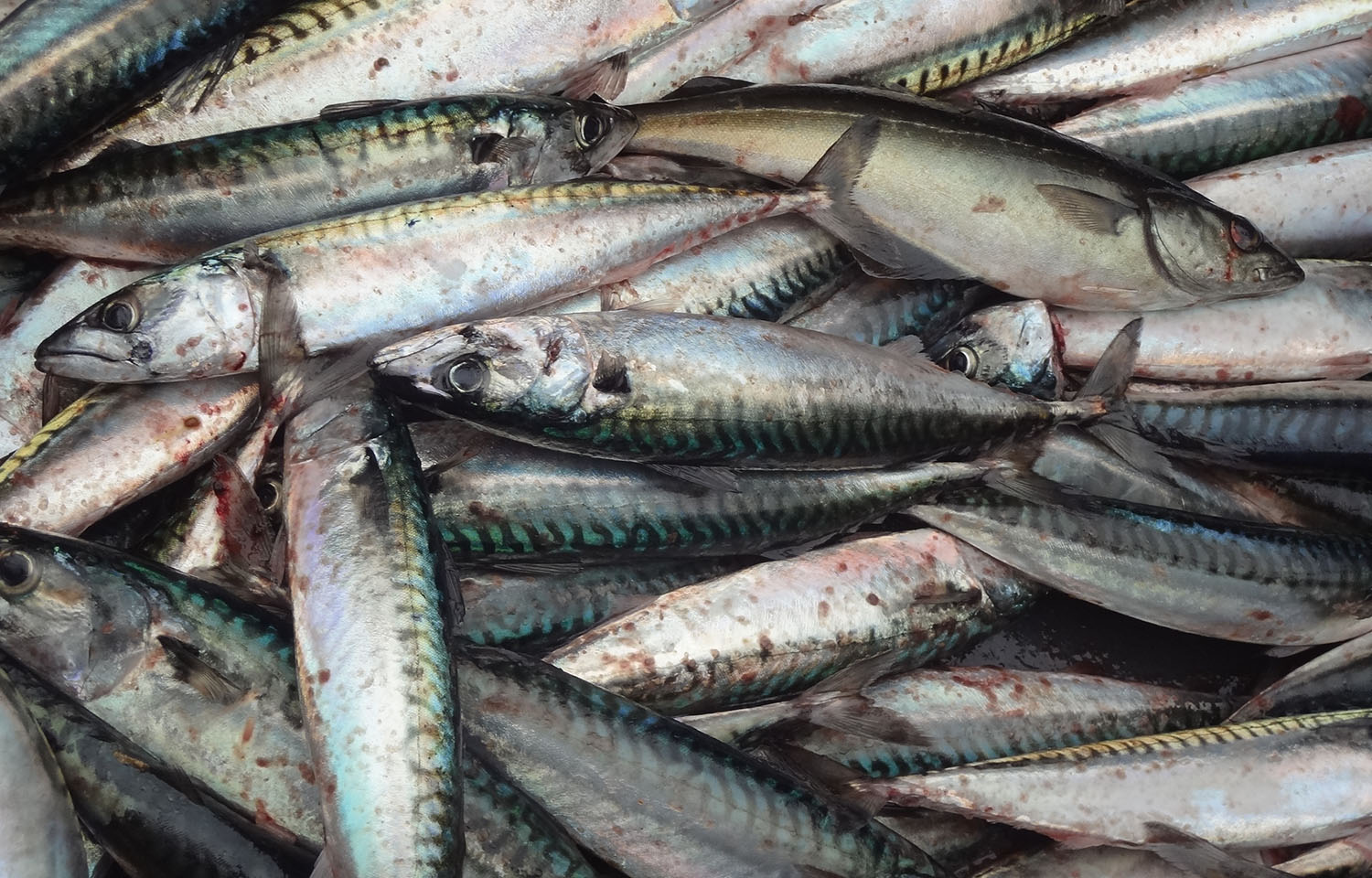
Currently, Atlanto-Scandian herring, blue whiting, and mackerel are all subject to ongoing overfishing, largely as a consequence of governments in the region failing to adequately share total allowable catch (TAC). This year, coastal states have once again agreed to stick to International Council for the Exploration of the Seas (ICES) advice on the TAC but have yet to reach an agreement on how those TACs will be divided.
The coastal states involved, including Norway, the E.U., the U.K., the Faroe Islands, and Iceland, have agreed to setting a TAC within scientific advice in the past but have gone on to fail at dividing that quota among themselves. That failure has led to countries individually fishing at levels that, when combined, breach the TAC they had agreed to.
Daniel Steadman of The Pew Charitable Trusts said the near-term question for fisheries managers is whether they can recover those three key pelagic species and protect marine biodiversity.
“These species are subject to ongoing overfishing largely because of an ongoing challenge of dividing the catch between these coastal states,” Steadman said.
Steadman said Pew is pushing for the member states to finally come to an agreement that will bring catch totals back in line with scientific advice and to then go even further and implement an ecosystem-based approach which it said most countries committed to 25 years ago.
For instance, in 2001, 60 countries adopted the Reykjavik Declaration, agreeing to move toward ecosystem-based fisheries management and away form single-species fisheries management.
“Broadly, it means putting biodiversity at the heart of fishing rules and regulations, not trying to treat targeted fish species like they are farm animals that we can kind of predictably harvest,” Steadman said.
Steadman said adopting such management would go a long way toward enhancing the sustainability of the stocks that NEAFC manages. He also said that Pew believes NEAFC could be at a turning point to move toward the approach.
Steadman said management at the commission entered a “new phase” roughly six years ago, when the scientific committee began using an ecosystem approach when receiving advice from its advisors.
“Six years later, we’re now at the stage where there are actual formal proposals on the table to take forward an ecosystem approach implementation measure,” he said.
Steadman said NEAFC is considering a “foundational measure” that could set a roadmap toward more concrete measures, that The Pew Charitable Trusts is pushing for the commission to move forward, and that the time is right given the United Nations Agreement on Marine Biological Diversity of Areas beyond National Jurisdiction (BBNJ Agreement), also known as the High Seas Treaty, has entered force.
“Hopefully there’s a moment now, with the BBNJ treaty looming, for RFMOs like NEAFC to step up and really start operationally building biodiversity protections into their management,” Steadman said.
