



The Chilean salmon industry has long attempted to reduce its antibiotic use and mitigate the harmful effects of sea lice.
Animal health firm Sudvet said it is aiding the sector in achieving both of those goals by rolling out non-pharmacological strategies on salmon farms to help aquaculture firms reduce antibiotic and antiparasitic treatments.
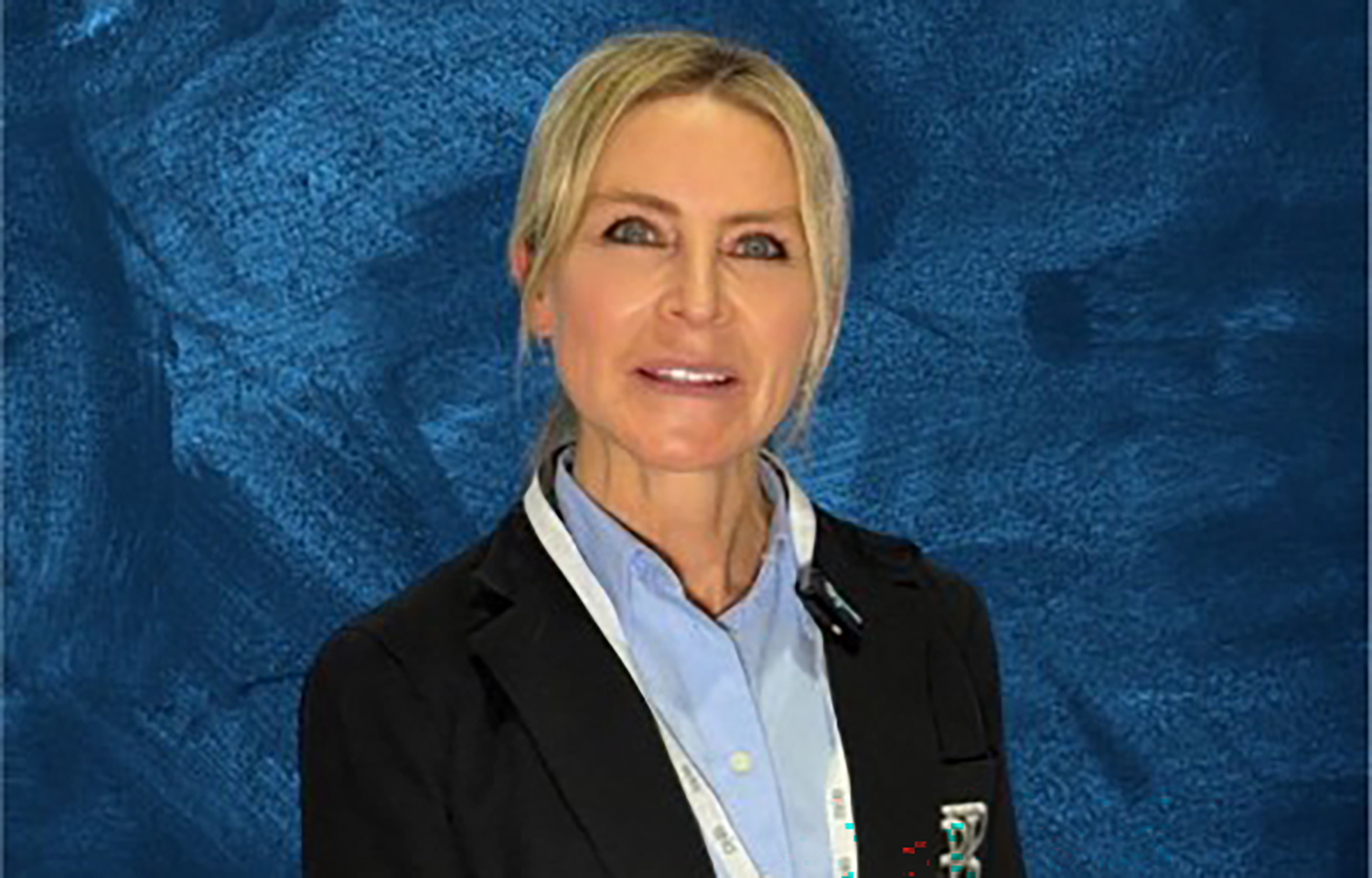
According to Sudvet CEO Marcela Delgado, the company has developed strategies covering the entire salmon production cycle – from freshwater rearing through the marine grow-out phase – aiming to strengthen the natural defenses of fish rather than relying exclusively on pharmaceutical treatments.
“We have managed to reduce the consumption of antibiotics by between 49 percent and 75 percent,” Delgado told SeafoodSource.
Delgado said since introducing non-pharmacological strategies for managing sea lice to Chile in 2019, the firm has also helped cut antiparasitic consumption by 62 percent.
Delgado said the underlying philosophy behind Sudvet’s product portfolio is that fish possess natural defense mechanisms that can be strengthened. Therefore, improving immunity and natural resistance can help fish better protect themselves against bacterial diseases and some parasites while also reducing the use of chemicals that could potentially contribute to higher dependence on subsequent pharmacological treatments.
An indirect benefit of Sudvet's plant-based products is stress reduction associated with handling, transport, harvesting, vaccination, selection, and other production activities. Delgado referred to the firm’s botanicals as a “natural spa” for fish, saying they can significantly improve fish behavior.
“When we use our botanicals – I describe them as a ‘natural spa’ for fish – we see that their behavior changes significantly,” she said. “Fish remain calmer, regain their appetite sooner, and show virtually no signs of stress during handling.”
The benefits extend beyond animal welfare, according to Delgado.
The company said its data indicates using Sudvet products results in feed conversion improving by about 7 percent, and growth increasing between 17 percent and 21 percent. The improved performance is also associated with a reduction in firms’ carbon footprint of between 17 percent and 23 percent.
Mortality rates also drop under Sudvet treatment, she said. In a typical seawater cycle where mortality may be about 11 percent, Sudvet has seen levels fall to around 3.5 percent or even lower when its strategies are implemented. Delgado attributed these results to fish entering production with better physiological tools to respond to health and environmental challenges.
Sudvet's focus on welfare began more than 16 years ago, according to Delgado, and then the firm narrowed its attention to major health challenges in salmon farming, including salmon rickettsial syndrome in Chile and diseases found in Norway such as Moritella viscosa, Tenacibaculum, Pasteurella, and Yersinia.
The company's work is not limited to salmon, as Sudvet has worked with shrimp, sea bass, yellowtail, tilapia, and cobia and is actively developing strategies for diseases affecting fish in freshwater. However, salmon remains its principal focus.
Since its inception, the company's products have been administered to more than 2 billion fish, according to Delgado, who outlined that 95 percent of salmon-producing companies in Chile have used Sudvet, as well as around 10 companies in Norway. Sudvet is also making progress with firms in Iceland and Scotland as part of its overarching goal of deepening its work with existing clients while expanding its geographic reach.
For Delgado, the company's value proposition goes beyond supplying individual products. Sudvet's veterinary technical team works directly with customers to design and implement strategies adapted to each operation, ensuring that the strategies are correctly applied to achieve demonstrated results.
“For us, it's not just about selling a product. What we offer is a complete strategy,” she said.
Delgado said the firm was started well before animal welfare became a regulatory requirement, but she highlighted the regulatory environment is now changing, with international standards expected to require higher levels of animal welfare from 2027.
The World Organization for Animal Health (WOAH), for example, adopted its latest strategic plan in May 2026, establishing guidelines to make animal welfare a priority for aquaculture production. The organization’s unified roadmap for 2027 to 2031 calls for the strengthening of prevention measures, investing in resilience, and positioning animal health as a cornerstone of global stability.
“This is no longer simply a good practice; it has become a necessity,” Delgado said. “Today, we can show that there are strategies that really work. Our purpose is to contribute to the production of sustainable, residue-free proteins with a lower environmental impact. We believe deeply in this approach.”
