



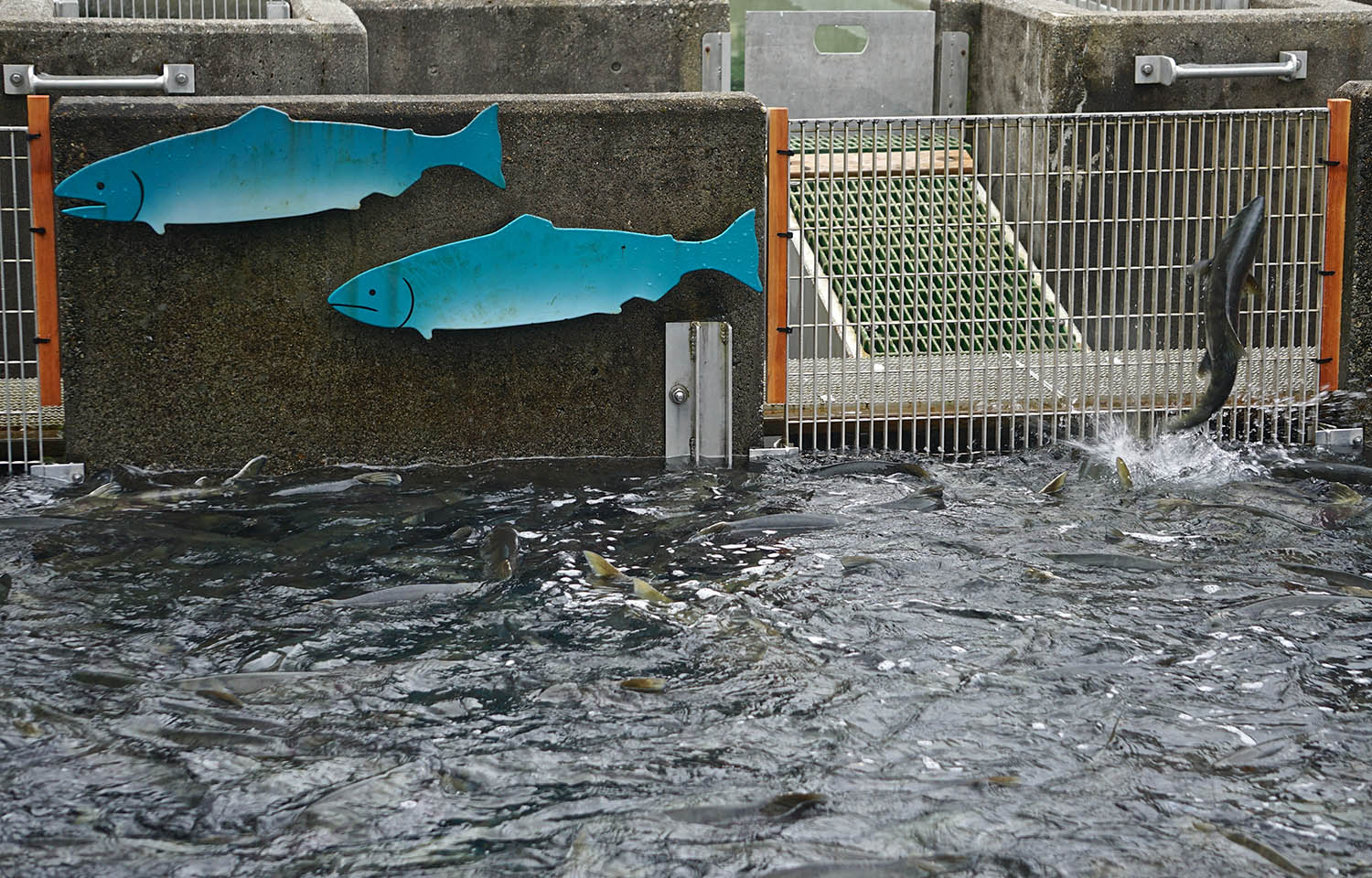
The operators of salmon hatcheries in Southeast Alaska are warning that a proposed 25 percent reduction in the egg take of pink and chum salmon would have devastating consequences for the hatcheries, leading to job losses and the eventual closure of facilities.
Conservation groups have argued that the release of hatchery-raised salmon harms wild populations for decades. The backers of the proposal – Proposal 156 – claim that salmon hatcheries are one of the five biggest threats to the state’s wild Chinook populations, along with climate change, bycatch, intercept, and disease. However, advocates of ending or curtailing hatchery operations have struggled to convince state regulators to turn against the practice.
Proposal 156, submitted to the board by former commercial fisher and former Alaska State Board of Fisheries member Virgil Umphenour, is the latest effort to limit Alaska hatchery operations and would cut pink and chum salmon egg take at Southeast Alaska hatcheries by 25 percent.
“If this proposal at the Board of Fisheries were to pass, it would lead to significant economic harm in the Juneau community,” Douglas Island Pink and Chum (DIPAC) Executive Director Katie Harms told the Juneau Assembly 6 January, adding that a 25 percent reduction in chum salmon production would likely prevent seafood processors in Juneau from being able to operate year-round.
At the 6 January assembly meeting, Juneau became the latest community to pass a resolution opposing proposal 156, joining the municipalities of Sitka, Petersburg, Wrangell, and Ketchikan.
“Southeast hatcheries produce chum salmon to supplement wild stocks and sustain commercial fisheries,” Juneau City Manager Katie Koester said in a statement at the assembly meeting. “In 2024, hatcheries contributed approximately USD 34 million [EUR 33 million] of the estimated USD 75 million [EUR 73 million] commercial harvest value to Southeast Alaska’s economy; 86 percent of that value was from chum salmon. A reduction to salmon production will impact our local hatchery, DIPAC, our commercial fisheries, our charter fisheries, as well as our subsistence and personal use fishing.”
The Alaska State Board of Fisheries will consider Proposal 156 at a meeting in Ketchikan starting January 28.
DIPAC, a private nonprofit organization that manages two salmon hatcheries in the Juneau area, is encouraging local residents to testify against the proposal to the board. Public comments are being accepted through 14 January.
“DIPAC has no intention of increasing chum production and is maxed out on water and land use," the nonprofit said. "If Proposal 156 were to pass, there is no evidence to support that there would be any benefit to wild salmon, but it would significantly harm all the users of the resource.”
Fellow hatchery operators Southern Southeast Regional Aquaculture Association (SSRAA) and Northern Southeast Regional Aquaculture Association (NSRAA) have similarly stated that they have no intention of increasing chum production.
