




Malaysia and Thailand are in talks to resolve a seafood trade dispute that arose in early June, with both nations working to secure a technical solution that supports market access while maintaining biosecurity, food safety, and aquatic animal health standards.
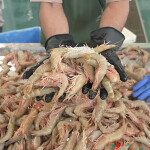
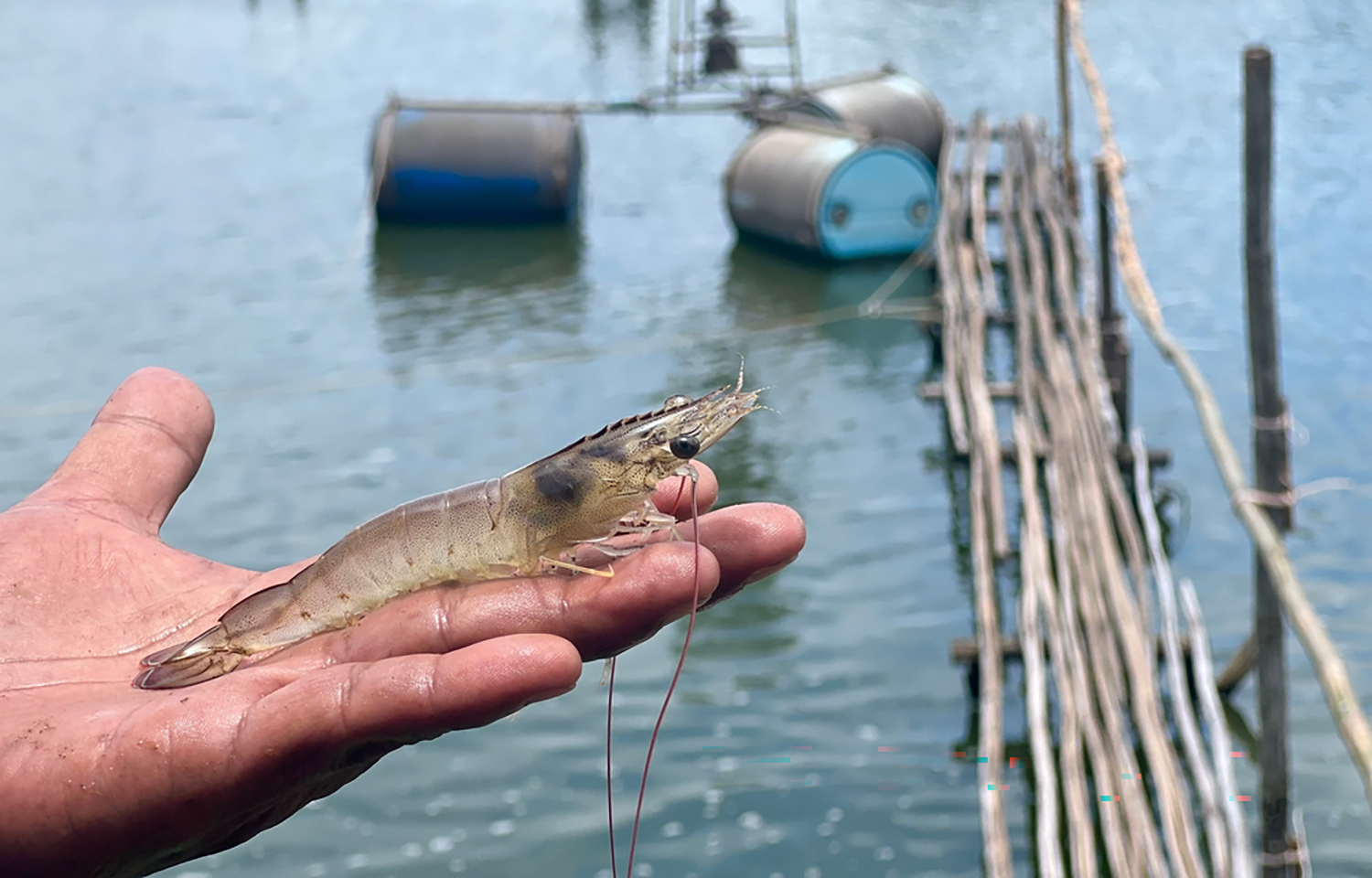
Effective 1 June, Malaysia suspended imports of five Thai shrimp species and imposed strict testing mandates on sea bass from Thailand. According to The Nation, Malaysian authorities said the shrimp suspension was a retaliatory trade maneuver in response to similar stringent import conditions that Thailand previously placed on Malaysian shrimp.
Soon after Malaysia announced the import ban, Thailand said it would raise the issue in discussions at the World Trade Organization (WTO) and the Association of Southeast Asian Nations (ASEAN).
Now, however, both countries have moved away from getting trade organizations involved.
Rather than treating the matter as a formal trade dispute, Malaysia Fisheries Director-General Adnan Hussain said discussions are progressing between the two nations aimed at ironing out the technical requirements of an agreement, according to Free Malaysia Today.
“The approach taken is based on science, risk management, and shared interests to ensure the fisheries trade relationship continues to grow in a fair, transparent, and mutually beneficial manner,” Hussain said.
The revised approach came after Malaysia Prime Minister Anwar Ibrahim and Thailand Prime Minister Anutin Charnvirakul met in Malaysia, during which both leaders agreed to speed up efforts to resolve outstanding fisheries market access issues.
Regarding shrimp, Hussain said Malaysia has sent Thailand 35 technical queries after reviewing information provided by Thai authorities, seeking further clarification before completing an import risk review.
Concerning sea bass, he said officials from both countries are still working through entry conditions covering certification, food safety, and risk management.
Hussain said Malaysia has suggested more closely aligning certification rules, strengthening traceability, exchanging scientific information, and applying inspections according to risk.
He further explained that this type of approach could result in a reassessment of Malaysia’s 100 percent sampling rule for sea bass exporters who have strong compliance records, as well as faster clearance channels for farms that meet food safety and biosecurity requirements.
Additionally, Malaysian officials are hopeful the technical process helps address Thailand’s ban on Malaysian shrimp, which has been in force since 2017, and create fairer access for aquaculture producers in both countries.
