



The Australia Fisheries Research and Development Corporation (FRDC) is backing a pilot project to farm two native tropical oyster species in the state of Queensland.
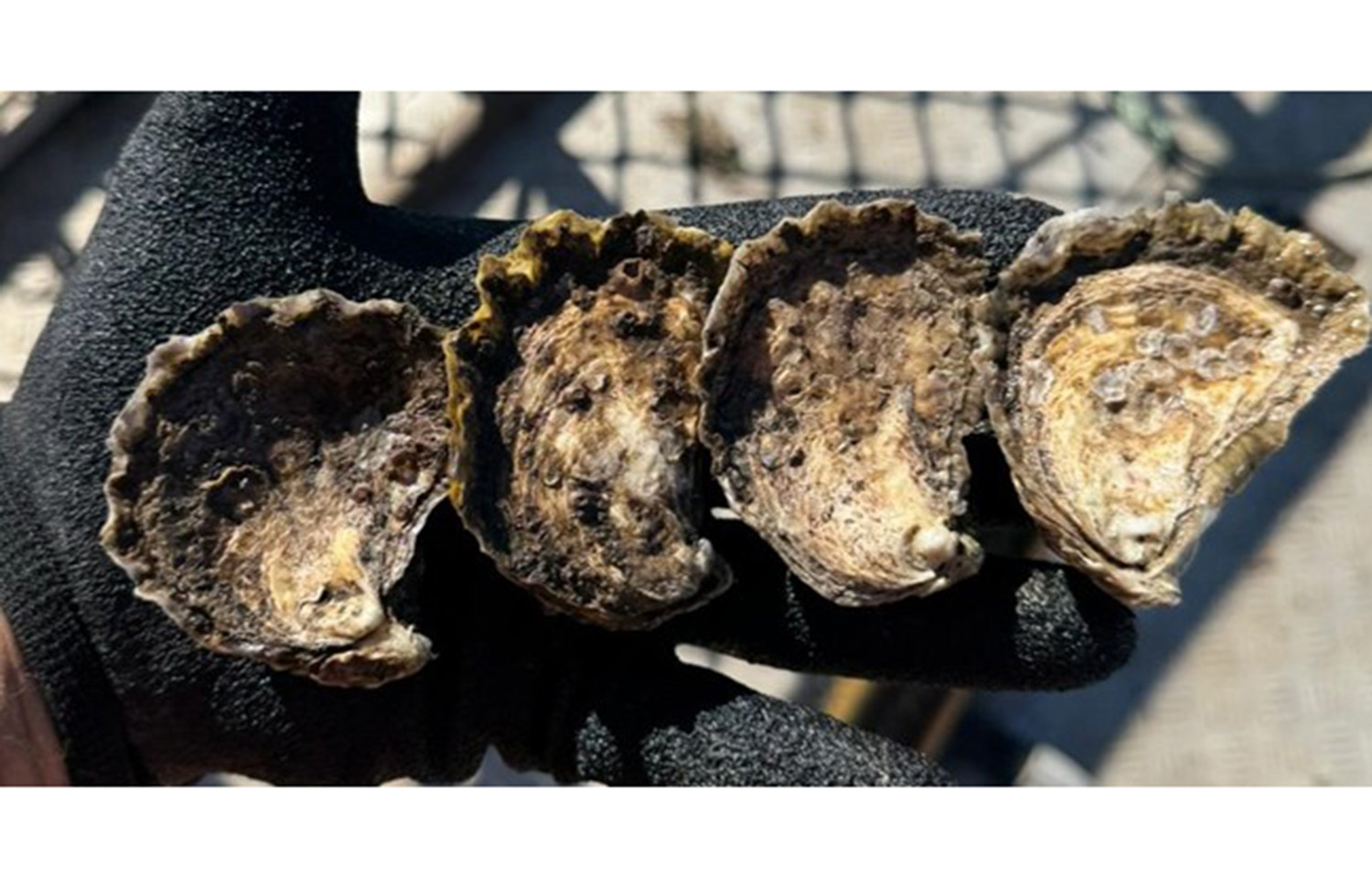
The FRDC, along with the Queensland Department of Primary Industries, is piloting aquaculture of two native species – the blacklip rock oyster (Saccostrea echinata) and a newly identified species called the Queensland sunshine oyster (Saccostrea Lineage G). According to a release by the FRDC, the trial is intended to identify the commercial viability of the two species, which are native to the state.
Historically, Queensland’s oyster industry mainly farmed Sydney rock oysters, but in recent years, a parasite-driven disease known as “QX” has spread throughout the region and “wiped out whole beds of Syndey rock oysters across Southeast Queensland,” FRDC said.
“For many years, the SRO was the only commercially farmed species in Queensland,” an FRDC release said. “However, this species is only native to the most southern 15 percent of the Queensland coastline. Even in Moreton Bay, the species is at the northern limit of their natural range and is particularly susceptible to the impacts of climate change.”
The research project is seeking to determine whether the two native oyster species – which are endemic to every part of the Queensland coastline – would be commercially viable in farming applications.
According to the FRDC, both species are highly resistant to QX, with the recently discovered Queensland sunshine oyster appearing to be completely immune to the disease. Plus, both species are tolerant of variable water temperatures.
Historically, farming the native oysters has been difficult due to problems related to collecting oyster spat, but a research team in Queensland has discovered a new settlement process that it said works equally well for both the blacklip rock oyster and Queensland sunshine oyster. Instead of the traditional process which uses epinephrine, the team designed folded plastic strips that provide a settlement structure. That, combined with water from a tank of adult oysters, has shown to induce settlement in wild oyster spat.
“High numbers post-spawning and nursery survival rates of close to 100 percent are proof that the innovative settlement process works to produce commercial quantities of farm-ready spat,” FRDC said.
Queensland Department of Primary Industries Senior Research Scientist Max Wingfield said the project has already garnered interest.
"We’re excited to see that the Queensland sunshine oyster is already attracting interest from growers in New South Wales, although regulatory approval would be required before any trial work or stocking could be undertaken," he said.
Wingfield said the next stage of the project is determining whether the species are marketable.
“With both oysters being so new to aquaculture, we’re just getting enough market-ready oysters to undertake properly replicated sensory evaluation and consumer acceptance trials,” he said. “People say they taste delicious, and we are excited to hear more."
