



Three die-off events at Cermaq salmon farms in the Canadian province of British Columbia went unreported in September, according to the Canadian government.
The mortality events, which took place at farms in the Clayoquot Sound, were confirmed by Canada's Department of Fisheries and Oceans (DFO) after Tofino, British Columbia-based environmental group Clayoquot Action sought clarification from the government following the group noticing steel tankers approaching the farm unexpectedly.
“When the fish farm industry has die-offs happening on their farms, they will often liquify the dead salmon and then put them in a big silver stainless steel tanker to use for transporting back away from the farm,” Clayoquot Action Campaigns Director Bonny Glambeck told British Columbia’s Chek News.
According to Glambeck, the DFO ultimately confirmed three die-offs at the Bawden, Dixon, and Millar Cermaq farms in Clayoquot Sound via email.
“One of the farms had a 37 percent die-off of their fish. One had a 16.5 percent die-off, and the other had a 19.25 percent die-off,” Glambeck said that the email confirmed.
The DFO did not confirm the number of fish that had died, only the percentages affected, according to Glambeck.
Given the density of the fish population at the affected sites, Glambeck speculated that the 37 percent die-off had likely amounted to 185,000 fish.
Cermaq Canada reportedly told Chek News that its sites in the area “have been working through what has been an especially challenging summer and early autumn plankton season.”
“The environmental conditions have since improved, and the salmon our farmers care for are now back to favorable performance,” the firm said.
The DFO told Chek that “the mortalities are attributed to water quality and environmental conditions, exacerbated by gill damage and a suspected biotoxin."
"Testing has ruled infectious disease out as a contributing factor," it said.
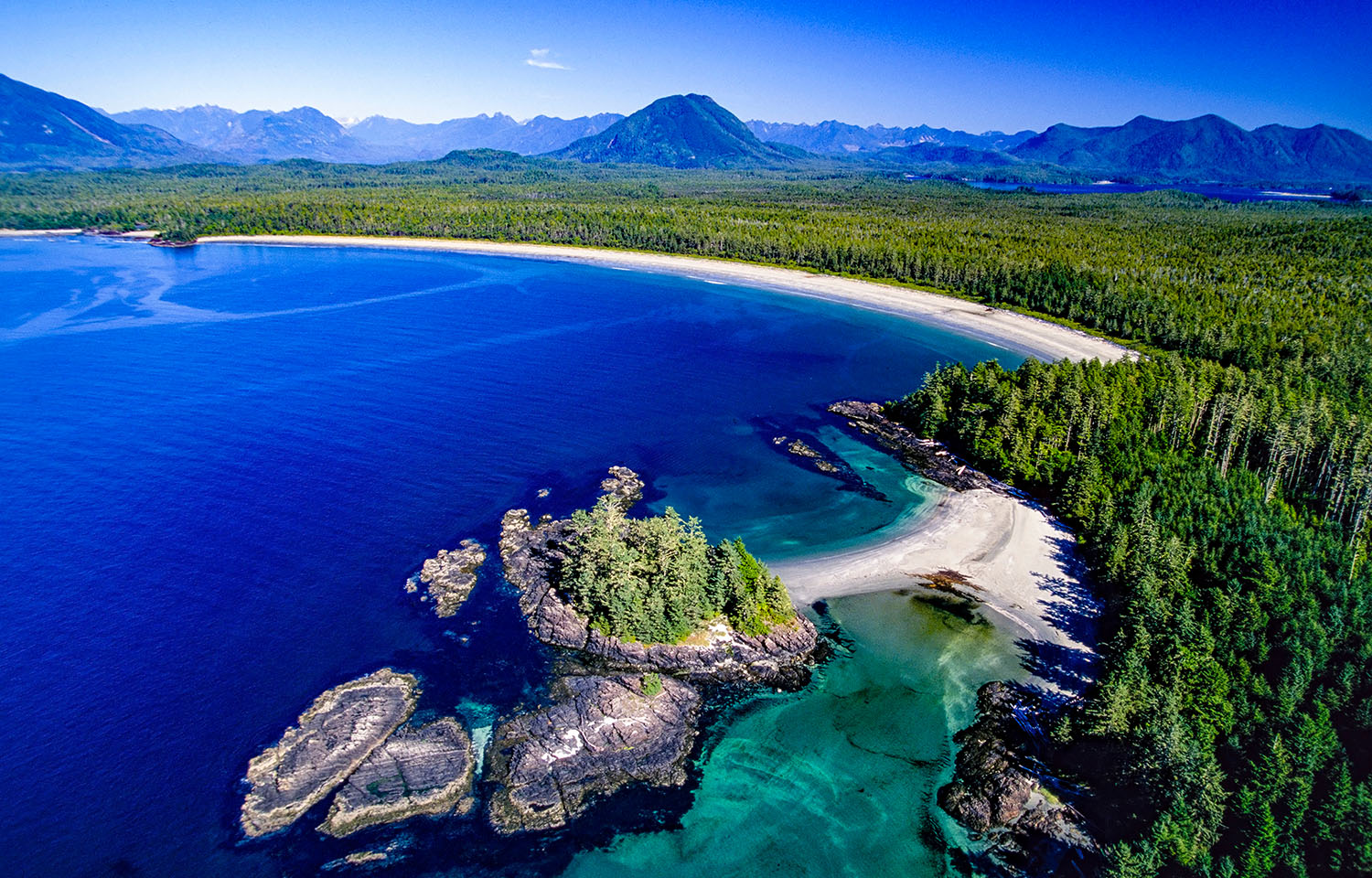
The government of British Columbia has promised an end to salmon farming in the province by 2029, and Clayoquot Sound has been hotly contested as an aquaculture location thanks to its listing as a UNESCO World Biosphere Reserve.
In 2019, Clayoquot Action sounded the alarm on another die-off at a Cermaq site within the sound.
Clayoquot Action, Sea Shepherd, and other environmental organizations estimated the losses at the time of up to 200,000 fish, though Cermaq Canada did not report the number of fish affected but only an elevated mortality level of 12 percent in its 2019 annual report.
