





Tilapia genetics firm GenoMar Genetics Vietnam expects sales to increase around 25 percent to 30 percent this year as the country's rapidly expanding tilapia industry drives demand for higher-quality fingerlings.
The firm, which is a subsidiary of Norway-based GenoMar Genetics, began operations in 2021 and has quickly established long-term supply relationships with such processing firms as Vinh Hoan and Navico, among others, as well as smaller producers and farmers.
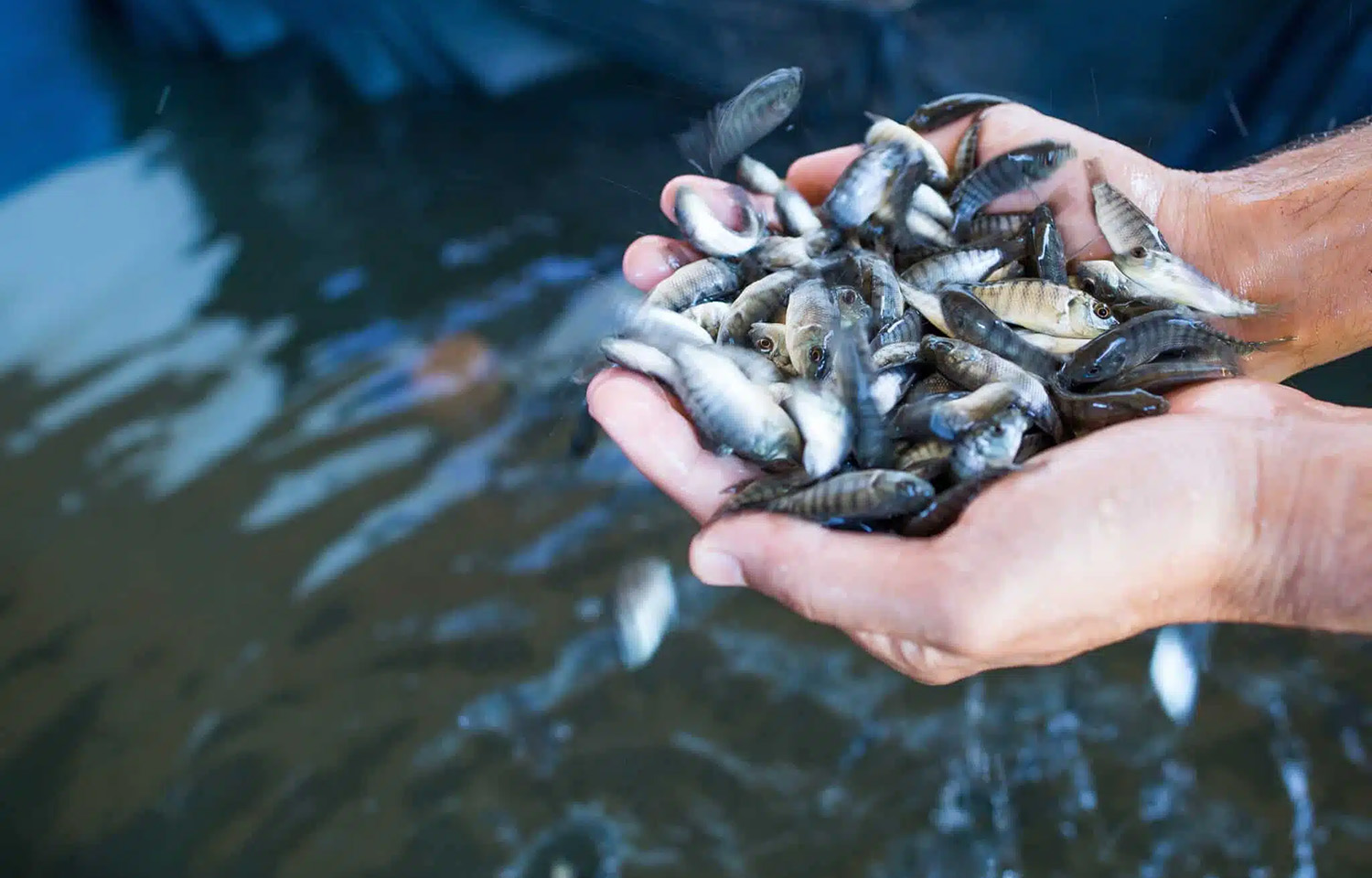
To meet that demand, the company has boosted its annual production capacity to nearly 150 million tilapia fingerlings, GenoMar Genetics Vietnam General Director Nguyen Van Trung told SeafoodSource during the 2026 Vietfish International Fisheries Exhibition.
According to Trung, Vietnam has limited room to significantly expand pangasius production and shrimp farming remains challenging and volatile; therefore, many firms have turned toward tilapia, and as a result, Trung estimated the industry is growing by around 15 percent to 20 percent annually, becoming one of the country's strongest opportunities to increase aquaculture production and seafood exports.
"Tilapia has strong potential to help drive further growth of Vietnam's seafood industry and exports," Trung said, adding that his firm is currently supplying its 35th generation of selectively bred tilapia genetics in Vietnam.
Despite the industry's growth potential, production costs remain a major constraint.
Feed accounts for around 60 percent to 70 percent of tilapia production costs, making feed prices a significant challenge for farmers, Trung said, further citing additional risks like drought, insufficient water supplies, and poor water quality that make it more difficult for farmers to maintain suitable growing conditions.
Nevertheless, Vietnam exported tilapia worth USD 69 million (EUR 59.2 million) in the first half of 2026, which was up 67 percent year over year. Much of that growth was due to growing shipments to Brazil, where it sent USD 35 million (EUR 30 million) worth of tilapia.
Growing trade with Brazil has caused consternation within the South American nation’s tilapia industry, as local producers and representative associations have amplified concerns about market disruptions and health risks.
“The Vietnamese products are entering the market at much lower prices with all these interventions that increase weight but lower quality,” Felipe Franco, the owner of BTJ Aqua, which operates three tilapia farms and a packing facility in and around the city of São Paulo, said earlier this year when Brazil’s imports of tilapia fillets from Vietnam exceeded the country’s own exports for the first time. “If consumers buy these products, they’ll feel cheated and won’t know whether it’s domestic or imported. Our greatest fear is that this will harm our reputation and the market we’ve spent decades building.”
In response, Vietnamese seafood representatives have called for government intervention to protect a rapidly growing market.
