



Heavy rains across East Africa have caused alarm over the possibility of a mass die-off of farmed Nile perch and tilapia in Lake Victoria.
The Kenya Marine and Fisheries Research Institute (KMFRI) has warned that recent heavy rains may have caused dissolved oxygen levels in Lake Victoria to drop – a phenomenon that can be lethal to farmed fish species.
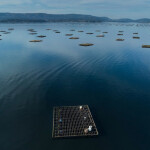
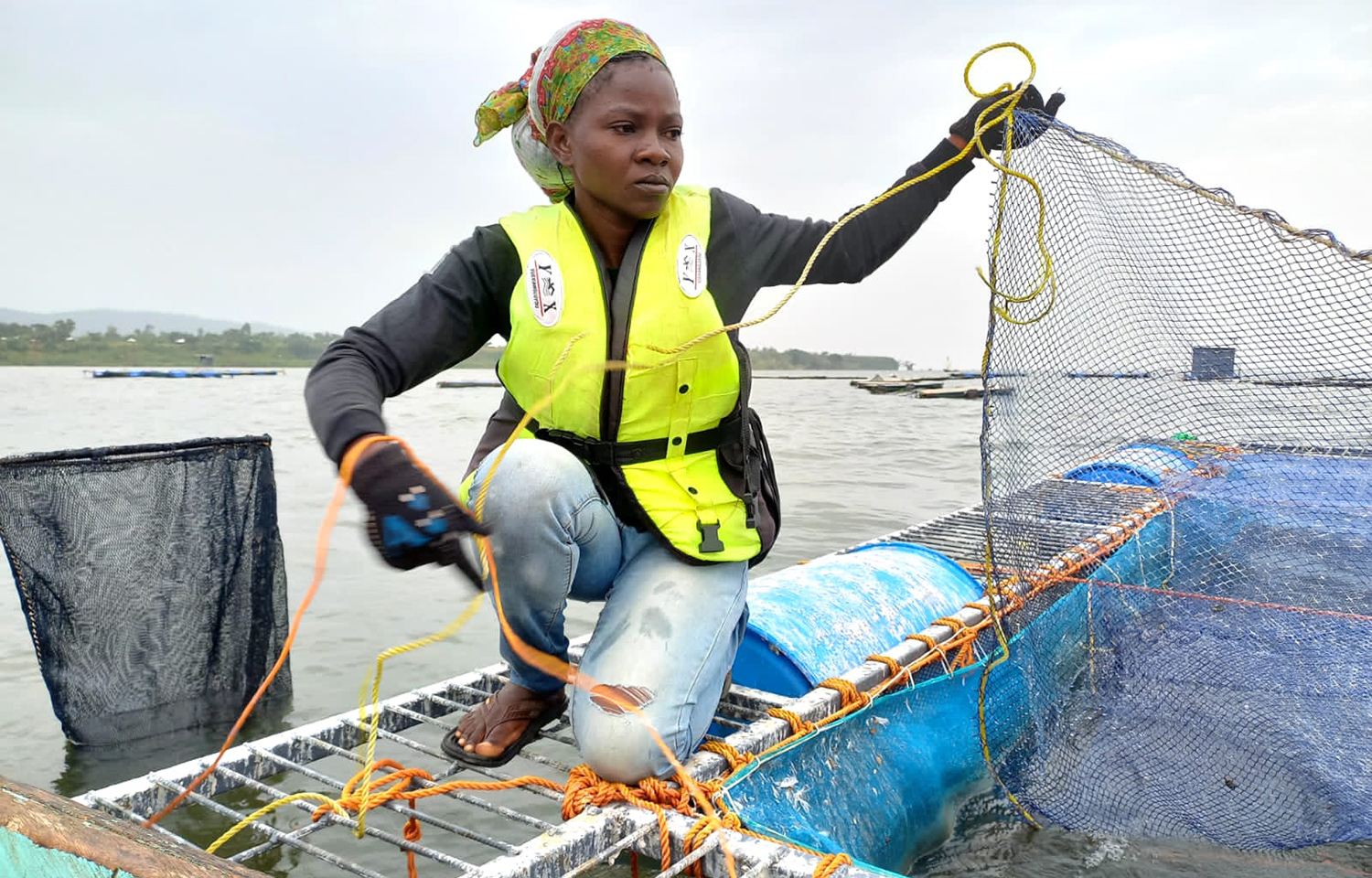
Therefore, KMFRI has issued an advisory to farmers operating the nearly 6,000 cages on the Kenyan side of Lake Victoria to either reduce or suspend feeding their fish, as “uneaten feed and fish excretion [further] consume dissolved oxygen during decomposition.”
KMFRI Assistant Director Chrisphine Nyamweya said the advisory was necessary after an early warning system installed at one of the beaches around the lake indicated falling oxygen levels below the minimum warning threshold. He said the recorded observation could raise the likelihood of mass deaths of fish in the lake.
“The onset of heavy rainfall around Lake Victoria has triggered significant disturbances in the lake’s water column. The dropping of oxygen levels below the minimum threshold is lethal for cultured fish species, including tilapia,” Nyamweya said.
The early warning system, he added, recorded fluctuations in the lake’s pH levels, “which may interfere with gill function, reduce feeding [behavior], and increase the risk of the fish contracting diseases.”
Kenya's Meteorological Department has reported heavy rains in the Lake Victoria Basin since late February that peaked in March, with intensity increasing toward the end of the month. The department has cautioned that “although the intensity may reduce toward the end of this period, rainfall is still expected to continue over several parts of the country” especially in areas around Lake Victoria.
Therefore, KMFRI also advised cage fish farmers in counties such as Kisumu, Siaya, Homabay, Busia, and Migori to consider relocating their cages deeper in the lake, which is Africa's largest lake by area. Additionally, farmers should consider harvesting fish that are nearly market-ready to minimize losses, Nyamweya said.
Mass fish die-offs have occurred in Lake Victoria in the past but not always because of heavy rains. According to KMFRI, climate change-related upwelling, where deep water makes its way to the surface due to temperature variations and consumes oxygen in the process, has also resulted in mortality events.
Kenya’s aquaculture sector, which is still in its relative infancy, has grown from around 18,500 metric tons (MT) of production in 2019 to 27,800 MT by 2022. Production then rose to 31,700 MT in 2023 but grew less than 2,000 MT in 2024, where it totaled an estimated 33,423 MT. Cage culture operations accounted for 25,547 MT of that total, according to the Kenya National Bureau of Statistics.
