



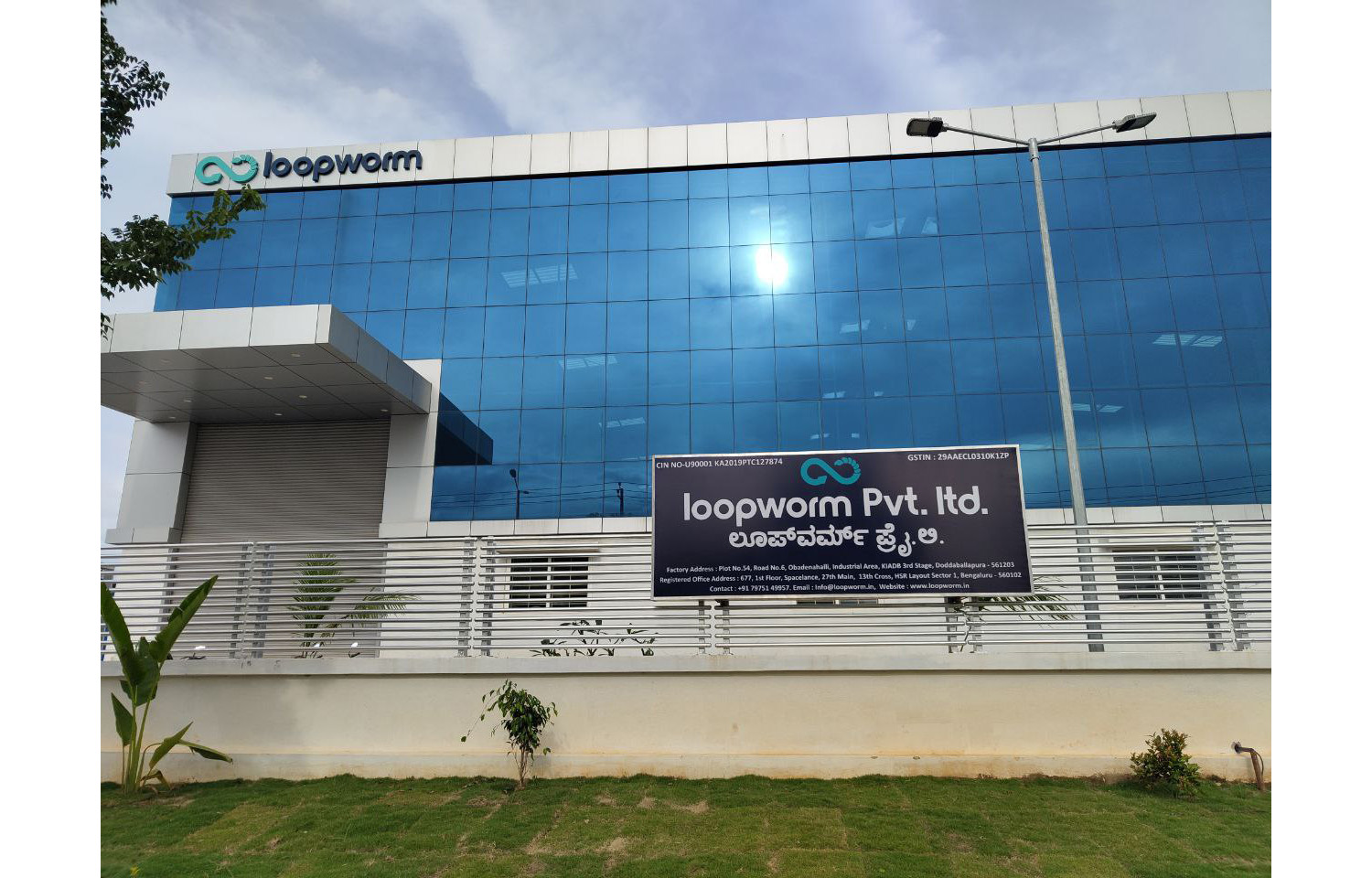
Karnataka, India-headquartered Loopworm, a biotechnology startup working to scale insect-based alternative protein feeds for a variety of sectors, has secured approval from India’s Coastal Aquaculture Authority (CAA) to produce additives, attractants, and palatants for aquaculture nutrition and health.
Though the company has been producing insect-based proteins since 2019, this is the first time its products have been approved for direct use in aquaculture.
In a statement about the news, Loopworm Co-Founder and CEO Ankit Alok Bagaria said that the certifications open a key opportunity for the company, marking the company’s “vision to create an impact in protein production through sustainable insect biotechnology.”
“These certifications position Loopworm as a credible supplier, aligning with global pet food safety and animal feed standards. Whether it’s about dealing with pet food companies or animal feed manufacturers, these certifications highlight brand commitment in delivering safe, high-quality, and sustainable products,” Bagaria said.
Though it did not name the company, Loopworm also said that it had started exporting insect meal for use in salmon feed to a major manufacturer.
Loopworm recently announced a Series A funding round to commercialize its proprietary recombinant protein platform, the LoopBac Protein Expression System, which uses gene-edited living silkworms, rather than a substance like yeast, to grow nutritionally enhanced proteins.
At the time of the Series A announcement, a Loopworm representative told SeafoodSource that "[Loopworm’s] price parity [compared to marine-based feeds] helps overcome one of the biggest hurdles for alternative proteins in aquaculture.”
The representative also said that the company had received a number of repeat orders, which they believed signaled a growing acceptance of alternative proteins in commercial aquaculture.
