






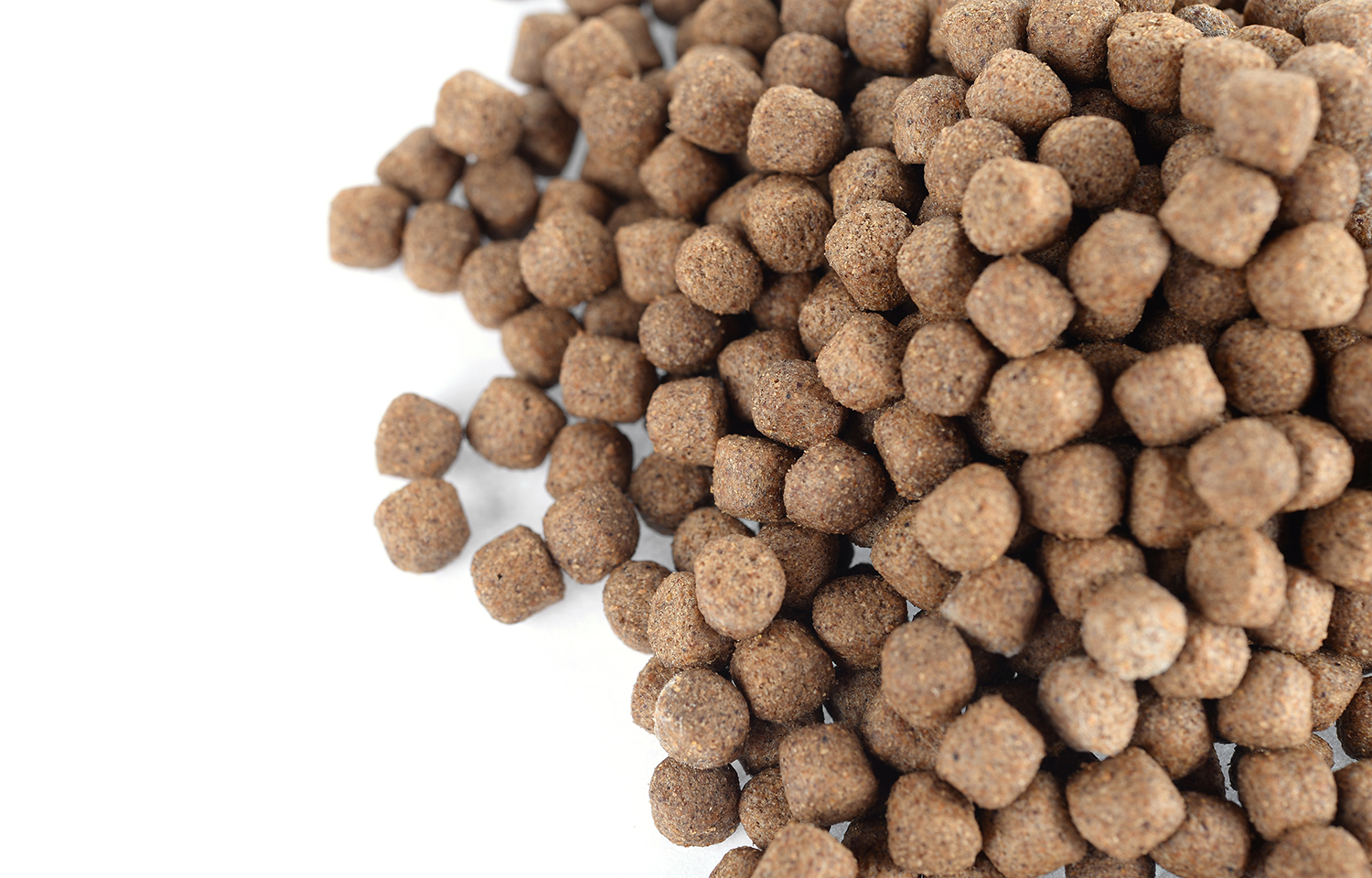
In the wake of a looming fishmeal shortage, the aquaculture industry is being forced to rethink traditional fish feed.
According to a Rabobank study published in September 2025, critical fishmeal shortages could come as soon as 2028, with aquaculture already using up around 90 percent of the world’s fishmeal supply.
At the same time, the report, compiled by seafood analyst Novel Sharma, notes that production of fed species is projected to rise, with output of salmon, marine finfish, and crustaceans expected to expand by 12 million metric tons (MT) by 2033.
“This is not a sustainability issue. It’s a scarcity issue,” Sharma told SeafoodSource. “That’s what the whole industry needs to understand.”
According to Kevin Fitzsimmons, an environmental science professor at the University of Arizona, the fishmeal shortage did not happen overnight.
“The supplies of fishmeal and fish oil really maxed out … back in the 1980s,” Fitzsimmons said in a podcast interview with SeafoodSource. “The global supply has increased only slightly but mostly because it’s from seafood processing byproducts.”
Turning to alternative feed ingredients has always been the obvious solution to ease supply issues, according to Fitzsimmons, but he said many in the industry remain reluctant to adopt fish-free feeds, concerned they could compromise product quality.
He explained that while it’s true early substitutes failed to replicate the full nutritional profile of traditional fishmeal, today’s formulations come much closer to meeting that standard.
“The problem is really more one of education, of getting the industry to look at these alternatives,” he said.
To promote the adoption of alternative ingredients, Fitzsimmons launched the Future of Fish Feed Challenge, or F3, a series of competitions designed to spotlight innovation in aquafeed and fish oil alternatives.
“A lot of people have rightly pointed out that fishmeal and fish oil are kind of ideal ingredients in that they have just the right [amount of] amino acids, the right fatty acids, minerals, [and] vitamins that we want in aquaculture diets,” Fitzsimmons said. “With these contests, we know we’re not going to find the silver bullet. We’re not going to find anything that’s exactly the replacement for fishmeal. What we’re going to have to do is find the proper mix of nutrients that match up with the nutrients that are available in fishmeal.”
Fitzsimmons further explained that F3 aims to explore alternative ingredients beyond just soy – one of the original substitutes for fishmeal.
“While we totally support using soy, we’re also looking at more novel [ingredients] like algae oils, insect meals, single-cell protein, and fermented byproducts of agriculture,” he said.
F3 has completed several contest iterations, the latest of which was a krill replacement challenge, wherein companies developed feeds with alternative ingredients without using krill as a palatant or attractant.
The winning companies used ingredients like chicken hydrolyzed protein and a hydrolysates plant-based protein to replace krill, which is a species at risk of significant population decline, according to F3.
In addition to a monetary award, five companies – including Denmark-headquartered BioMar Group and Denmark-based Aller Aqua – agreed to test the winning producgs within their commercial aquaculture operations.
“We commend these companies for recognizing the importance of finding alternatives to krill to ensure global food security and protect ocean health,” Fitzsimmons said when the winners were announced in March 2025.
Since then, BioMar, an early investor in aquafeed innovation, has taken several steps toward improving the sustainability of its aquafeed beyond just committing to trials.
In September 2025, the company announced it had partnered with Innovafeed and Auchan to commercialize the use of insects – particularly black soldier fly meal – into feed for the Ecuadorian shrimp sector.
In a press release, BioMar Shrimp and Hatchery Head Henrik Aarestrup suggested that the partnership offers a “viable commercial model for insect meal.”
“It was important to design a scalable model that leveraged the unique functional benefits of black soldier fly in shrimp diets. Any shrimp farmer purchasing BioMar feed from Ecuador can leverage this commercial opportunity,” he said.
BioMar also announced plans to reduce greenhouse gas emissions from the production processes of key feed ingredients through a partnership with Cefetra Ecosystem Services.
“While aquaculture already has one of the lowest feed conversion ratios in animal farming, more than 80 percent of fish emissions are linked to feed and raw material sourcing,” BioMar said in a statement. “Reducing these emissions and improving supply chain resilience is, therefore, a shared challenge for the sector.”
Additionally, BioMar secured France’s first Aquaculture Stewardship Council (ASC) Feed Certification for its mill in Nersec, France.
ASC first introduced its Feed Standard in 2021, with a goal of improving sustainability across the fish feed industry by setting requirements on mills’ energy usage, ingredient sourcing, labor rights, land conservation targets, and more.
Since then, ASC said the standard has been adopted by mills in countries throughout the world, including Norway, Ecuador, the U.K., Canada, Chile, Vietnam, Spain, Honduras, and Costa Rica.
Several other companies, including Alltech and Grobest, also certified new mills last year.
“This wave of certifications marks a continuing shift in the aquaculture industry,” ASC said in July 2025. “ASC-certified feed producers are more directly addressing the environmental and social impacts embedded in their supply chains – from the responsible sourcing of ingredients like soy and fishmeal to ensuring fair labor practices.”
Recent advancements in fish feed have gone beyond simply incorporating more sustainable ingredients.
Feed companies, such as Aller Aqua, have introduced functional feeds, crafting their formulas with specific nutrients to optimize growth during certain seasons, decrease stress, combat infection, and more.
“Our feed development is built on understanding how nutrition can support beneficial physiological effects beyond traditional feed formulations,” Aller Aqua Group Project Manager Rober t Tillner told SeafoodSource. “That’s why we develop functional nutrition concepts such as our Temperature Adapted Feeds (TAF), adapting formulations to seasonal temperatures to help farmers maintain fish health, resilience, and stable performance throughout the production cycle.”
BioMar, meanwhile, recently announced its SmartCare Defense product, which aims to limit bacterial infections in sea bass reared in the Mediterranean Sea. According to the company, the solution relies on the natural defenses sea bass possess against deadly bacteria outbreaks caused by pathogens.
“The goal was to develop a feed solution that works with the fish’s own defense mechanisms, rather than reacting once problems occur,” BioMar Veterinarian Elena Planas said in a release.
Though fish-free and functional feeds are becoming increasingly effective, Fitzsimmons explained the problem of cost remains. To alleviate that issue, Fitzsimmons said he hopes to garner more financial support for alternative feeds through such initiatives as F3 and increase their production.
“As the feed mills or the farms say, ‘OK, yeah, we’re comfortable with that,’ [alternative fish feed producers] need to get the investment to scale up,” Fitzsimmons said.
