



Lawmakers from the U.S. state of Maine have passed multiple pieces of legislation designed to improve aquaculture operations in the state, including protections for aquaculture operations from nuisance complaints, revisions to aquaculture lease renewals, and the development of a Working Waterfront Infrastructure Engineer Corps.
All five bills, which have now become law, were introduced by Maine Representative Morgan Rielly (D-Westbrook).
LD 1595 would extend the protections Maine grants commercial fishers from nuisance complaints to aquaculture companies, ensuring those operations are not stymied by frivolous complaints about noise or smells.
“I have heard time and again that coastal landowners who don’t want to hear, see, or smell aquaculture operations unfairly file nuisance complaints against our aquaculture workers, which can put a halt to the work and food production Mainers rely on,” Rielly said in a release. “They deserve the same protections as our commercial fishermen, and I am glad that they will soon have those protections.”
The state legislature also passed two other bills sponsored by Rielly designed to simplify the state's aquaculture lease renewal process. LD 1722, which went into effect when the bill became law, reduces burdens on renewing leases, while LD 1596 commissions a report on how to improve aquaculture leases.
“The current renewal process for leases is uniquely burdensome,” Rielly said. “LD 1596 and LD 1722 are thoughtful, targeted bills that support both innovation and regulation. These measures help ensure that our leasing process is responsive, efficient, and fair while maintaining the high environmental and public trust standards Maine is known for.”
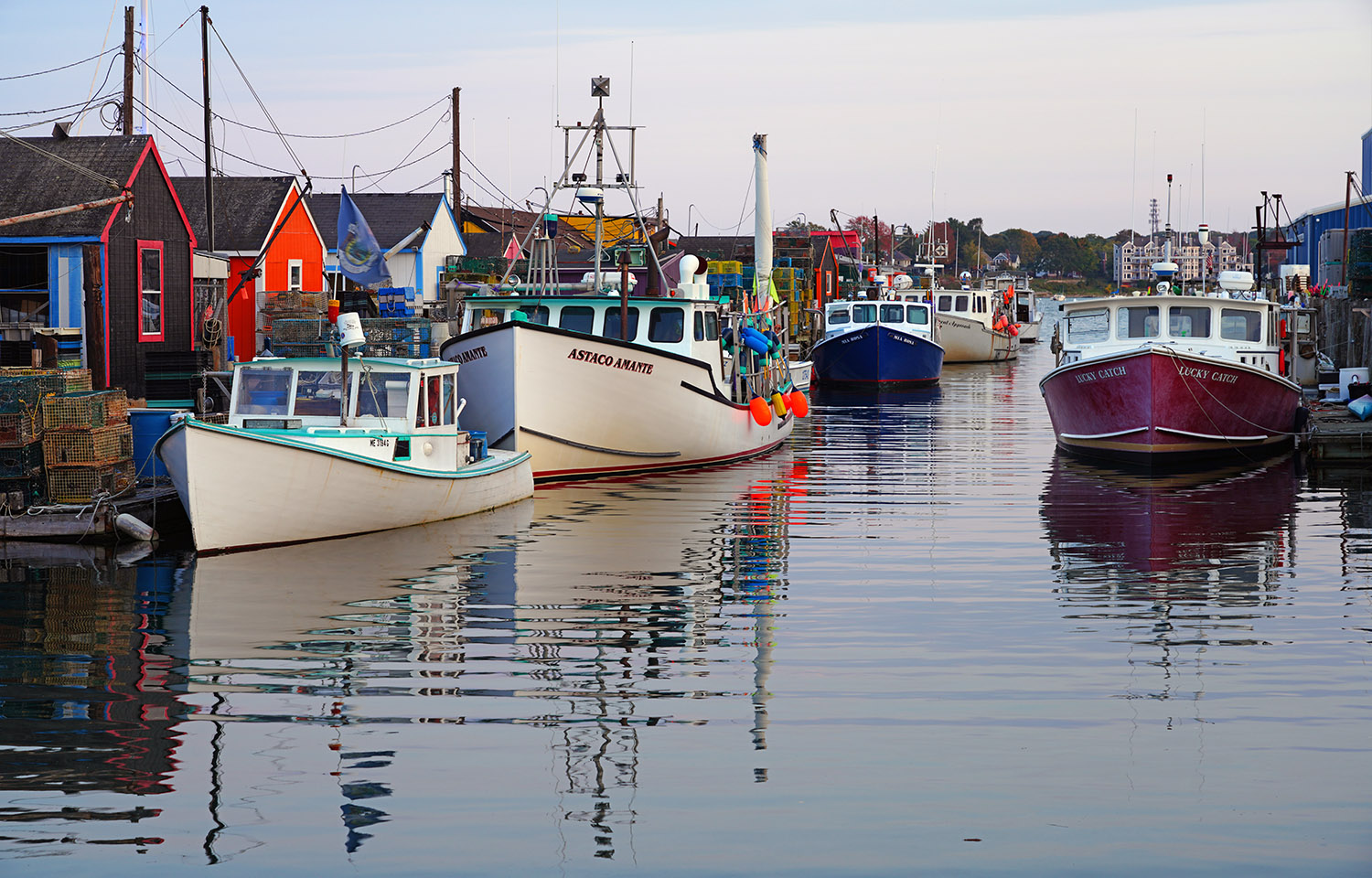
Rielly also introduced legislation designed to improve the state’s working waterfronts.
LD 1433 established a Working Waterfront Infrastructure Engineer Corps – a two-year pilot program that will train students from the Maine College of Engineering and Computing at the University of Maine to conduct vulnerability assessments of Maine’s working waterfront infrastructure. LD 1245, meanwhile, created a Working Waterfront Advisory Council and a Working Waterfront Information and Technical Assistance Fund within the Maine Office of Community Affairs (MOCA).
