




Shelf-stable seafood continued to perform well at U.S. retail in July, with sales by value in the category rising 15.2 percent to USD 308 million (EUR 267 million) on the back of 4.5 percent volume sales growth, per Circana data analyzed by 210 Analytics.
However, fresh and frozen followed trends that have played out all summer, with inflation resulting in positive sales by value but drops in sales volume in both categories.
Though inflation among shelf-stable products has also been high, the same sales dips have not played out. Shelf-stable inflation rose nearly 11 percent in July, but species in the category continued to post impressive sales, like anchovies, which rose 38 percent by value and 24.4 percent by volume. Canned salmon also performed well, with sales by value rising 20.5 percent and sales by volume rising 10.4 percent.
Tuna still accounted for the majority of category sales, with sales by value rising 10.6 percent to USD 217.5 million (EUR 188.5 million) and sales by volume growing 0.6 percent.
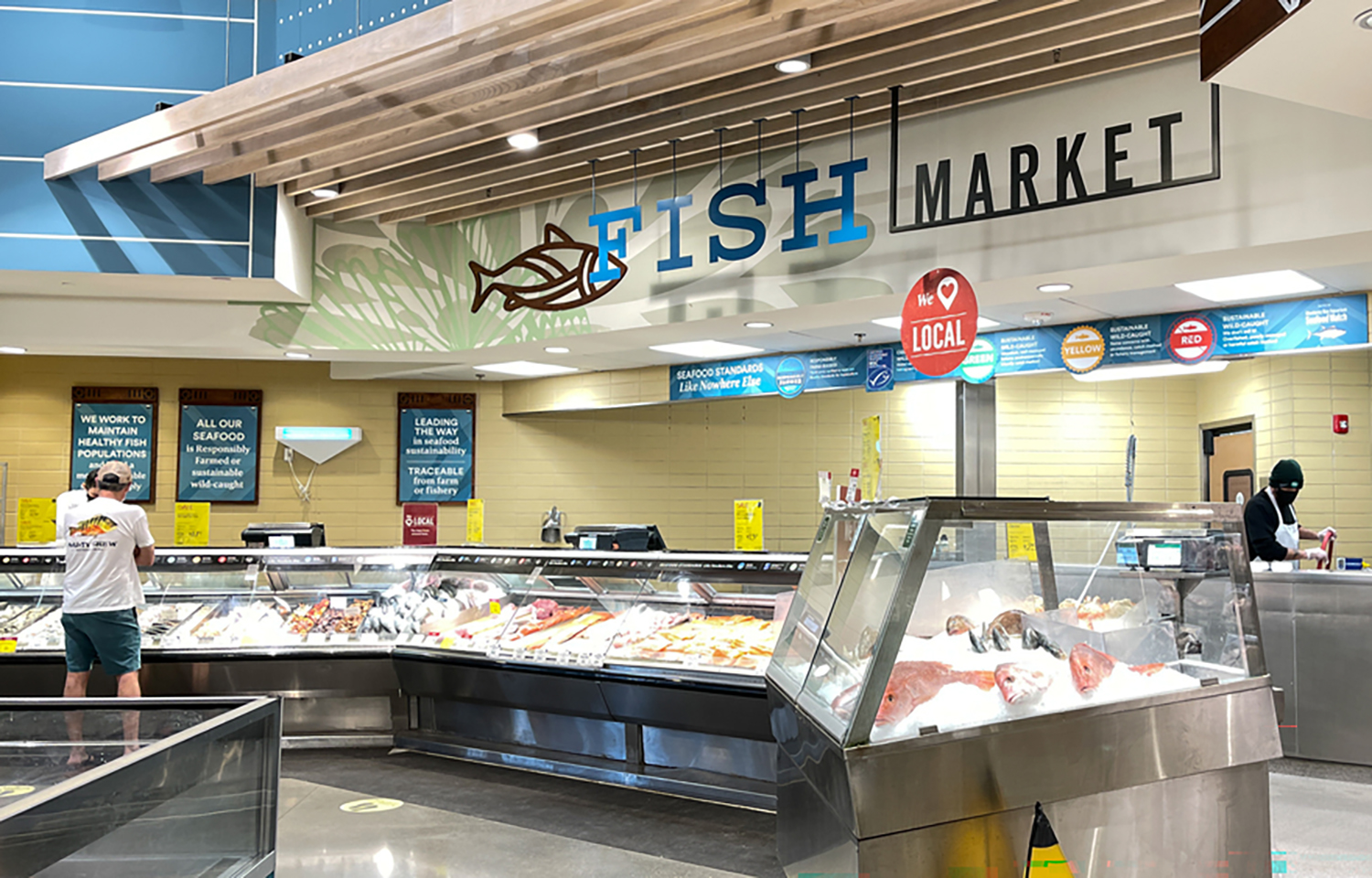
Inflation proved more detrimental in fresh seafood.
Fresh prices rose 2.6 percent in July, partly leading to stagnant sales totals with just 0.6 percent growth by value to USD 698.4 million (EUR 605.4 million), and a 2.6 percent decrease in sales by volume.
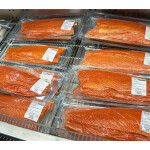
Fresh salmon sales continued to comprise the bulk of the category, and increased 3.2 percent by value during the month to USD 341.8 million (EUR 296.3 million); sales by volume grew only 0.3 percent, which 210 Analytics Principal Anne-Marie Roerink suggested could be linked to the decline in consumers eating salads due to the outbreak of cyclospora, which rapidly expanded in July.
“With many consumers serving salmon with salads, I wonder if the deep declines in leafy green/salad veg have to do with the weaker month,” she said.
Fresh shrimp sales by value declined 1.6 percent and 8 percent by volume, while lobster sales decreased nearly 9 percent by value and 5 percent by volume.
One of the few species that saw positive sales by value and volume in the category was trout, which rose nearly 5 percent by value and 0.6 percent by volume.
In the frozen aisle, seafood prices rose 12.6 percent, leading to a 5.1 percent increase in sales by value to USD 673 million (EUR 583 million) but a 4.7 percent drop by volume.
Shrimp remained the dominant species in the category, and its prices jumped 16.5 percent in July, leading to 4.5 percent increase in sales by value to USD 333.2 million (EUR 288.9 million) and an 8 percent contraction by volume.
Meanwhile, frozen salmon, pollock, and tilapia all realized sales gains by value and volume, while cod saw double digit percentage decreases.
Zooming out from the seafood department, total retail sales rose 5.15 percent in July, including a 4.5 percent increase for grocery and beverage stores, according to the National Retail Federation’s CNBC/NRF Retail Monitor.
“Retail sales maintained their steady upward momentum in July as consumers kept shopping despite ups and downs in other economic indicators,” NRF President and CEO Matthew Shay said in a release. “Supported by a low unemployment rate and steady wage gains, households remained budget-conscious but took full advantage of midsummer sales and early back-to-school promotions to stretch their dollars.”
Even though retail inflation cooled overall in July, consumers aren’t feeling much relief yet. Market research firm Numerator said in a release that 39 percent of consumers In its July 2026 Economic Sentiment Tracker identified rising prices as their top concern for the coming year, nearly matching the record high reached in May.
“Consumers remain highly attentive to grocery prices and are adjusting how they shop to make household budgets work harder,” FMI Vice President of Research and Insights Steve Markenson said in a release. “Seventy-five percent of grocery shoppers feel they have control over their grocery spending, and 67 percent credit their primary grocery store with helping them stay within budget. Shoppers are comparing prices, planning purchases, using promotions and loyalty programs, and turning to private brands to find value.”
Circana said it expects volume trends to remain constrained as consumers continue to rationalize spending and make more intentional purchases, Roerink explained, adding that consumer intentionality sometimes includes strategic splurges.
“[Shoppers are] prioritizing products that deliver the outcomes they seek, including wellness, relevance, and quality. Holidays also remain occasions when consumers are willing to splurge,” she said, noting that the holiday week ending 5 July was the only week to post positive unit growth during the month.
