


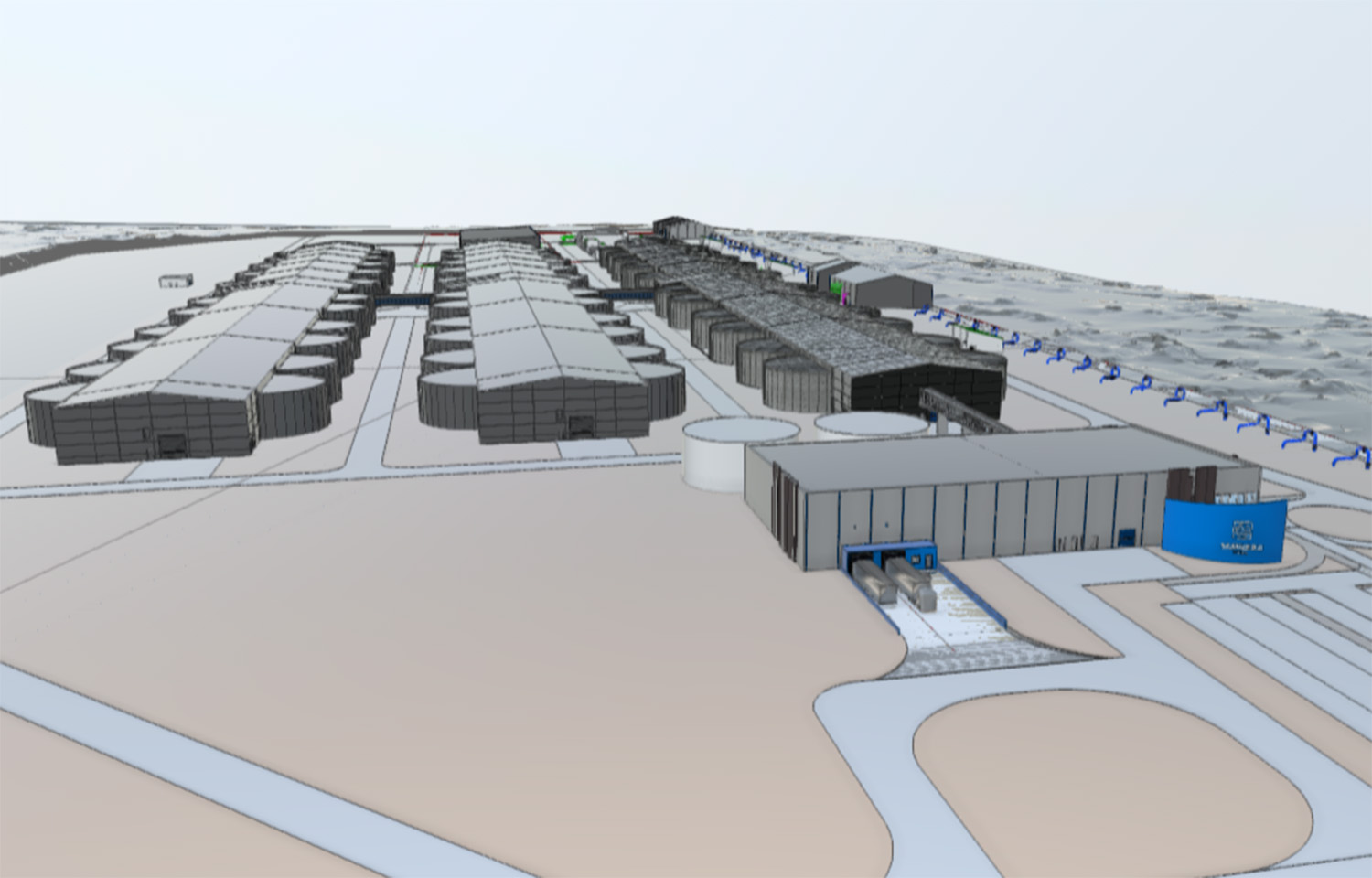
Iceland-based seafood firm Samherji has secured EUR 235 million (USD 267 million) in funding for a planned 30,000-metric-ton (MT) land-based salmon-farming facility to be located on the Reykjanes Peninsula in Iceland.
Samherji said the funding has been secured through a combination of an equity private placement and a syndicated loan. The company said the private placement netted EUR 125 million (USD 142 million), with the remainder of the funding coming from a EUR 110 million (USD 125 million) loan.
“We are very pleased that the financing has been finalized,” Samherji CEO and Samerhji Fish Farming Chair Thorsteinn Már Baldvinsson said in a release. “The strong participation from domestic and international banks and investors reflects their confidence in the project. From the outset, we set a clear goal of bringing external investors on board, which has now been successfully achieved.”
Samerhji has been working on a large land-based salmon-farming project since 2020, when it signed a letter of intent for the purchase of Norðurál's assets in Helguvík in the Reykjanes Peninsula. In 2021, Samherji entered an agreement with power provider HS Orka for the development of the land-based salmon facility and, at the time, said access to the sea and the electricity required for as much as a 40,000 MT Atlantic salmon farm were secured.
In 2022, the company announced former Mowi CEO Alf-Helge Aarskog was one of the investors in its land-based project and, later that year, said it was committed to investing as much as EUR 400 million (USD 454 million) in the project.
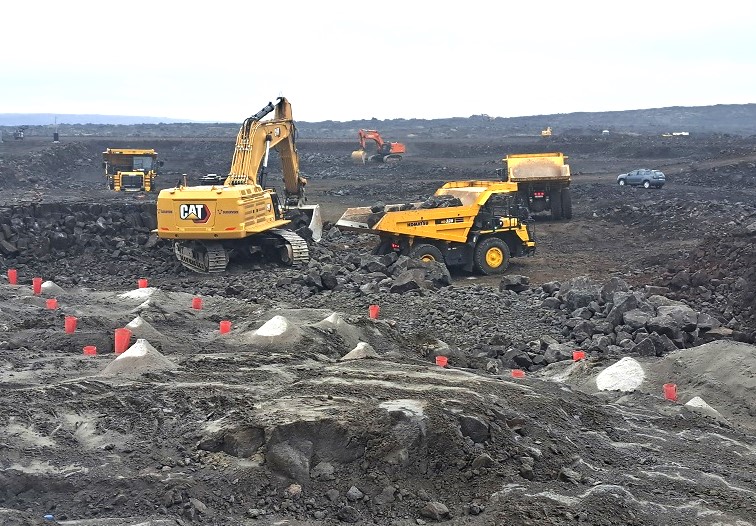
Groundworks on the land-based salmon project, which Samherji has dubbed Salmon Garden, began in October 2024. The company said the new project will be built in three phases, with each phase capable of producing 10,000 MT of head-on gutted (HOG) salmon annually, reaching a 30,000 MT capacity once fully operational. The new salmon facility will use renewable energy sourced from a nearby geothermal power plant operated by HS Orka.
Samherji said the project will support around 100 jobs and includes a freshwater recirculating aquaculture system (RAS) hatchery, an on-growing section with three on-growing stages, and a harvesting facility.
Baldvinsson said the project is based on the company’s experience with farming in Öxarfjördur in Northeast Iceland, where Samherji has been testing new technology that it will apply to Salmon Garden.
“The operational performance has been impressive, validating our expectations for the new site,” he said. “A dedicated team has worked meticulously over an extended period to prepare for this large-scale, high-investment project, laying the groundwork for an industry-leading facility. At this important milestone, I am extremely proud of our team, and we consider ourselves well-prepared for a significantly larger operation.”
Samherji Fish Farming is a subsidiary of Samherji, and the company already has experience farming fish in land-based facilities. The firm has produced Arctic char in a land-based facility since 2002 and recently expanded that facility to increase its production. According to Samherji Fish Farming, it is currently the largest producer of Arctic char in the world.
“I am proud of our employees who have made this achievement possible with their experience and expertise. At the same time, I am humbled by the interest shown in the Salmon Garden by various reputable investors,” Samherji Fish Farming Managing Director Jón Kjartan Jónsson said. “This is a project on a massive scale that will positively impact the local community in Reykjanes. We are proud to create new jobs alongside increased value creation through environmentally friendly production of high-quality protein.”
