


The coastal Maine lands on which Nordic Aquafarms once intended to build a USD 500 million (EUR 438 million) salmon farm will be preserved, said one of the advocacy groups who long opposed the project in a 22 April email to supporters.
In honor of Earth Day, Upstream Watch shared the news that it had entered into contract to purchase the 54-acre parcel from the company whose plans it had long fought to oppose.
The nearly seven-year battle over the farm’s fate had centered on a stretch of oceanfront intertidal zone through which Nordic would need to build pipelines to complete the project. Community members Jeffrey Mabee and Judith Grace argued that they – not Nordic – were the true owners of the land, a claim which set off a lengthy legal saga.
The legal battle did not end with Nordic’s decision to withdraw the proposed project, however, as advocacy group Friends of Harriet L. Hartley Conservation Area (HLH) swiftly sued Nordic for damages related to the lengthy court battle. In response, a local court mandated mediation between Nordic, the City of Belfast, Upstream Watch, HLH, and Jeffrey Mabee and Judith Grace, the property owners.
Now, with the resolution of that mediation, it appears that the litigation has finally come to an end. Upstream Interim Director Pete Nichols told SeafoodSource that his organization “negotiated [the purchase contract] through our settlement to prevent another impactful project from impacting the land, river, and bay.”
“It took a team effort [between Upstream Watch and HLH] to prevent Nordic from irreparably destroying the Little River parcel and polluting Penobscot Bay. Preserving this land for the good of the Bay, the Little River and the community is a terrific end to a long and difficult struggle," Upstream Watch President Ethan Shaw said in a release.
Former Upstream Watch President Amy Grant, who sits on the organization’s board of directors, said that the move to negotiate the purchase contract was motivated by the recognition that “as long as that parcel remains on the market, it is vulnerable to another ill conceived project.”
“Going forward we will be advocating for the entire Penobscot Bay Watershed as Penobscot Bay Waterkeeper, but making sure the Little River ecosystem is protected means we will have completed our commitment to our supporters, the Bay, and the Little River,” she said.
When she announced that Nordic Aquafarms was pulling out of the Belfast project, U.S. CEO Brenda Chandler said that the pushback the project had faced had implications both for the community and for the fate of aquaculture in Maine.
“The expanded tax base for Belfast was significant; new jobs for the area were significant; and Maine’s leadership in aquaculture-born solutions is also significant,” she said in a release.
In a conversation with SeafoodSource at the time, Nordic’s former press secretary Jacki Cassida mourned the loss to Maine’s future food security. She also said that members of the Nordic team held deep environmental commitments, but that they believed RAS aquaculture was key to an environmentally sustainable, food secure feature. She attributed the project’s failure to the unrelenting perseverance of a small group of antagonists, which she said had ultimately exhausted investors, telling SeafoodSource that the Belfast community was largely supportive.
HLH Press Secretary Andrew Stevenson disagreed, saying, "neither our organization nor the members of the community who have been supporting our work are anti-aquaculture.”
“What concerned us from the beginning is that the size, design, and location of this particular fish factory – it's really not a farm – are not going to make a positive environmental or even a positive long-term economic impact on the Midcoast community,” Stevenson said.
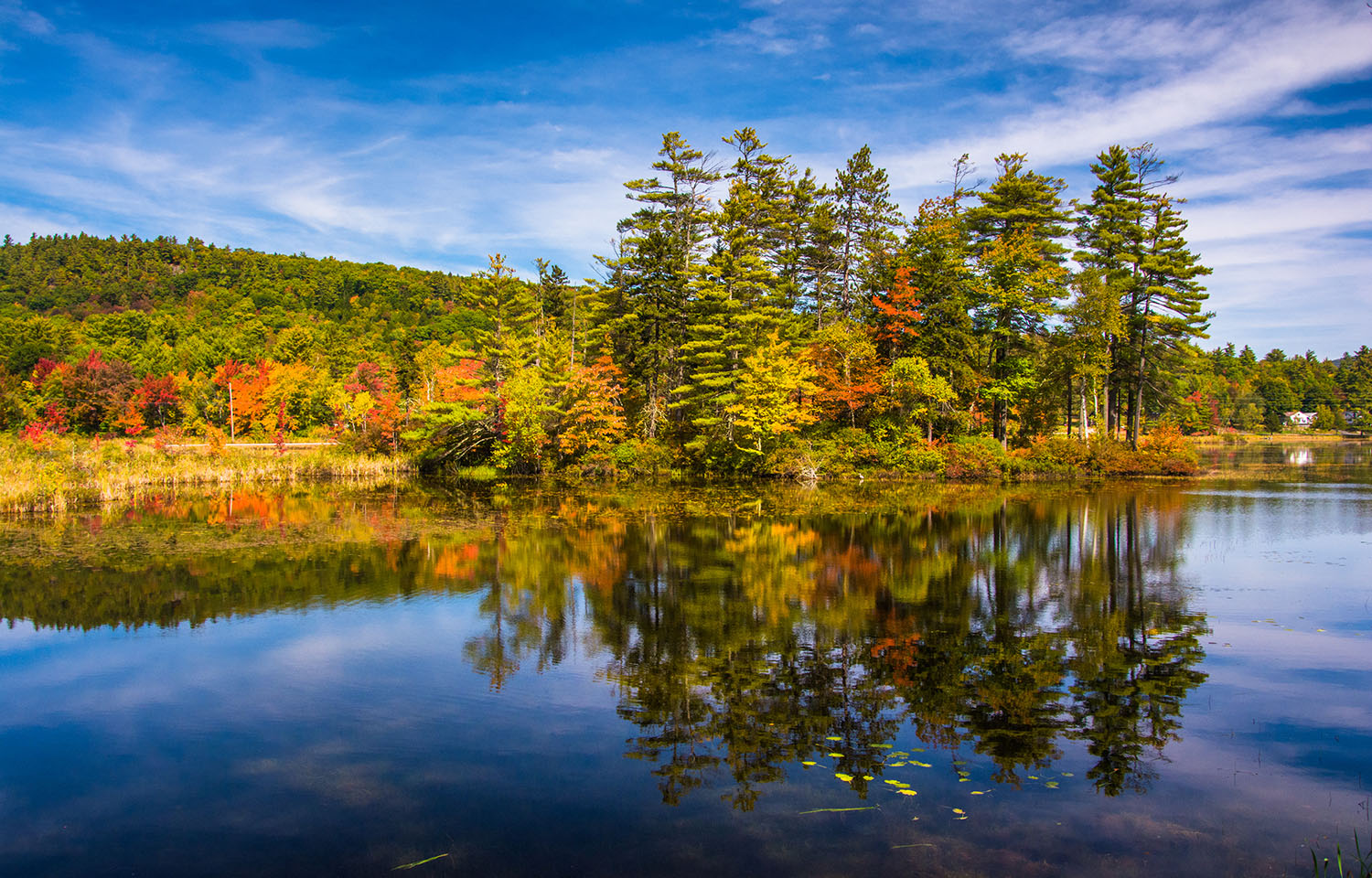
Nichols said that the land, which contains public walking trails, swimming holes, wetlands, maturing forest and meadow lands, would now be protected so that the community could continue to benefit from it. “This land is deeply cared for by the community and the location and ecology of this property are very rare along the Midcoast,” he said.
Shaw added that the property's “forest and wetlands are critical to the health of the Little River, Penobscot Bay, the climate and wildlife.”
