





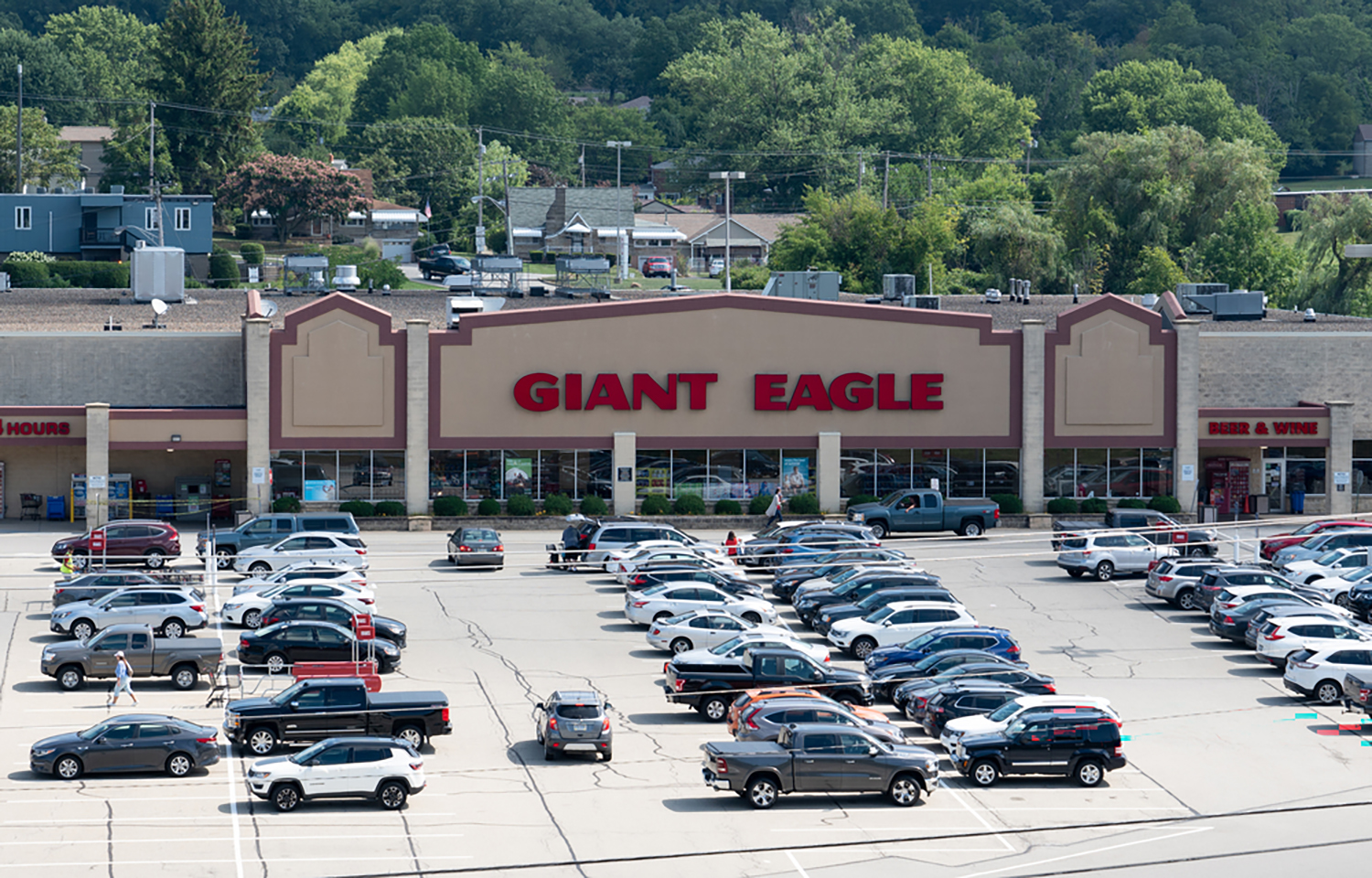
A year and a half after U.S. retailer Kroger’s proposed merger with Albertsons fell through, the Cincinnati, Ohio, U.S.A.-based chain has announced a USD 1.65 billion (EUR 1.4 billion) agreement to acquire Giant Eagle, which operates 197 supermarkets and 11 standalone pharmacies across Ohio, Pennsylvania, West Virginia, Maryland, and Indiana.
The deal, which Kroger said is consistent with its “disciplined approach to capital allocation and its focus on acquisitions where the company can create clear value for customers, associates, and shareholders,” would result in the divestiture of limited Giant Eagle stores in an attempt to obtain regulatory clearance.
"Giant Eagle is a well-run, high-quality regional grocer with a strong reputation for fresh products, pharmacy, private label, and customer loyalty," Kroger CEO Greg Foran said. "We evaluated the opportunity carefully, and the strategic fit is clear. Giant Eagle expands our reach into attractive adjacent markets, allowing us to do what we do best: run outstanding stores, deliver fresh foods and convenient meal solutions at affordable prices, and take care of our customers and associates every single day.”
Should the acquisition receive regulatory approval, it would likely aid in Giant Eagle’s value proposition, according to Jason Resner, the president of retail consulting firm DNR Sales and Marketing Strategy Advisors.
“Kroger commands much more influence and attraction for shelf space, and that command and influence will only strengthen Giant Eagle's value proposition for its customers in the future. Also, Kroger's process on its consumer loyalty program and household data analytics can also assist the Giant Eagle brand to make advances in this arena far quicker than originally thought,” Resner said.
He further explained that most seafood relationships suppliers had with Giant Eagle would likely carry over.
“I would expect that the new leadership under Kroger would review all programs' current success rates and deem many able to continue to execute as usual. All other leveraged centralized buying and merchandising functions on core items such as salmon, cod, tuna, shrimp, and crab that may flow to the Cincinnati office should only benefit Giant Eagle’s current profit and loss,” he said.
Amanda Lai, an associate partner and head of the Food Industry Practice at retail and CPG consulting firm McMillanDoolittle, said the two chains share similarities in their approach to seafood, with both firms maintaining robust sustainability programs. She pointed out that both partnered with the World Wildlife Fund to build their sustainability programs, resulting in value alignment as it comes to the seafood category.
While they align with broader sustainability goals, the question, according to Lai, now becomes how they address local sourcing and specialty programs.
“Giant Eagle has built a distinctive program focused on regional species like Lake Erie walleye and was the first U.S. retailer to earn Fair Trade Certified status across its entire private label seafood assortment. Kroger will have to weigh the tradeoffs of whether Giant Eagle's local seafood identity is an asset worth preserving as a form of differentiation or an added complexity that will be standardized away,” she said.
Resner said any change in this regard would be unlikely.
“Definitions of ‘local’ per se would fall under the same umbrella as the current Kroger local process, I would imagine, so they shouldn't miss a beat,” he said.
The biggest shift that Giant Eagle’s suppliers will have to navigate will be transitioning from a regional buying operation to a national one, Lai explained, as Kroger runs a centralized, scale-driven supply chain and sources significant volumes directly, forming a central pillar to Kroger's strategy of funding price cuts through scale and direct sourcing.
“For a supplier, that can mean larger potential volume but also more rigor, such as tighter compliance requirements, more formal onboarding, and more competition for shelf space against national programs,” Lai said.
Additionally, regional and local suppliers who built relationships directly with Giant Eagle's merchandising team may find themselves navigating a larger, more structured system where those personal relationships carry less weight than they used to, she explained.
Therefore, Lai advised seafood suppliers to familiarize themselves with Kroger's supplier systems and sustainability requirements early, rather than waiting for the deal to close.
“Suppliers who can demonstrate compliance with Kroger's sourcing standards will have an easier path forward. Be ready to talk about scale and understand whether you can meet national volume or whether your value is as a regional or specialty supplier," she said.
The proposed deal comes as Giant Eagle’s traffic growth underperformed within the grocery category, "signaling that some new innovation or strategic focus might benefit the chain as it looks to stand out to shoppers,” Elizabeth Lafontaine, director of research at foot traffic analytics platform Placer.ai.
“Adding a new regional banner like Giant Eagle not only can add scale to Kroger’s presence nationally but also help it compete with superstores, warehouse clubs, and other value grocery formats that are currently all winning in an overly competitive grocery market,” Lafontaine said.
The deal still has to receive the greenlight from relevant antitrust authorities such as the Federal Trade Commission.
Seafood consultants and numerous organizations opposed Kroger’s proposed merger with Albertson’s over concerns it would have given the combined company control over nearly a quarter of the U.S. food retail market, possibly resulting in higher grocery prices and fewer opportunities for seafood suppliers.
As for the deal to acquire Giant Eagle, the National Grocers Association (NGA) similarly emphasized the need for regulators to carefully review how such an agreement would affect suppliers and ensure fair competition.
“NGA urges regulators to conduct a robust review of this proposed acquisition, with particular attention to its impact on competition in those specific local markets. Where store divestitures will be required, independent grocers should be prioritized as buyers to ensure local communities benefit from a diverse marketplace,” NGA said in a statement. “With 69 percent of U.S. grocery sales controlled by just four national chains, strong antitrust enforcement is more important than ever to protect consumer choice, preserve competitive markets, and maintain a level playing field for independent grocers, farmers, suppliers, and the communities they serve.”
