





Two United Nations agencies have been partnering together since 2019 to promote aquaculture in Africa as an effective way to reduce unemployment and underemployment among the continent’s youth.
Approximately 400 million youth in Africa are either unemployed or underemployed, according to Africa Union stats. To address this, the Food and Agriculture Organization (FAO) and the United Nations Industrial Development Organization (UNIDO) teamed up to establish the Opportunities for Youth in Africa (OYA) program.
When developing the program, the two agencies quickly identified aquaculture as one of the agribusiness segments that has high potential to address food insecurity and poverty in Africa. The program prioritizes self-employment among young entrepreneurs through the introduction of new technology, producing marketable products, and developing networking opportunities along such value chains as aquaculture.
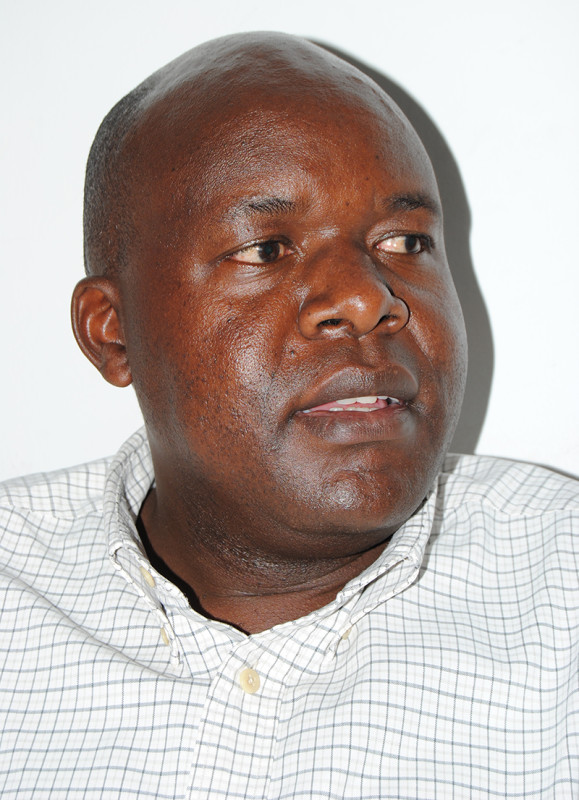
“The [aquaculture-specific] OYA training provided insights into fish farming, including pond construction techniques, and we were equipped with essential resources like fingerlings and feed,” Zambian aquaculturist Aubrain Lyavuka, who went through the OYA program, said in an FAO release. “This experience inspired me to establish my own farm, and I discovered that fish farming is not just viable but also a profitable business venture."
Lyavuka wanted to make a career change from being a farm laborer, so he began searching for new opportunities within his skill set. This led him to an ad for aquaculture training posted by Zambia’s Solwezi Department of Fisheries.
He is now one of 60 young people in Zambia who have benefited from OYA’s in-class training, receiving an opportunity to raise their own fingerlings in fishponds. The training curriculum is focused on pond ecosystem management, fish health and nutrition, breeding techniques, and efficient water usage.
After establishing his own farm, Lyavuka is already eyeing expansion, aiming to grow his operation to 12 ponds to ensure monthly harvests throughout the year.
“I also aim to mechanize the farm and establish a fish hatchery, ensuring the growth and sustainability of my business,” he said.
Lyakuva is not the only young Zambian pursuing aquaculture, with FAO estimating 93 percent of professionals in the nation’s aquaculture sector comprise people between 20 and 39 years old.
The OYA program is gaining traction at a time when Africa’s aquaculture sector overall has recorded continued expansion; the sector’s growth rate has surpassed 8 percent annually, which is faster than the average global annual growth rate of 5 percent, according to FAO.
“The volume of aquaculture production in Africa has grown almost fivefold in the past 20 years, while its value has risen almost tenfold,” FAO said.
Although the contribution of African aquaculture to gross domestic product increased in most African countries between 2009 and 2018, FAO said the GDP growth remained negligible at less than 2 percent in 2018 and much lower than the 16 percent to 18 percent contribution by capture fisheries, showcasing the need to spur further growth.
“Reasons for the slow development of African aquaculture, despite the apparent abundance of natural resources and a growing demand for food, include a lack of infrastructure and development capital, inadequate research information, limited technological knowledge, and poor governance,” the FAO report adds.
Though Lyavuka has received many beneficial tools through the OYA program, he said he is contending with a handful of these challenges, such as water scarcity, high interest rates on business loans, costly fish feed, and limited access to capital for operations and expansion.
One of the hurdles the OYA program specifically faces is requirements for permits and authorizations prior to operating fish farms, hatcheries, or aquaculture businesses, which can hold back young, small-scale fish farming entrepreneurs. In most of the countries OYA is operating in, licensing requirements are not clearly defined.
However, countries such as Zambia, Senegal, Malawi, and Uganda have waived the requirement for authorizations and permits when starting and operating aquaculture farms, as long as they comply with the FAO Code of Conduct for Responsible Fisheries.
Aquaculture entrepreneurs have to also comply with the African Union Policy Framework and Reform Strategy for Fisheries and Aquaculture.
Despite the challenges, professionals like Lyavuka continue to show that the idea behind the OYA program – that fish farming has the potential to address Africa’s employment problems while providing a reliable source of animal protein for the continent’s 1.4 billion people – is feasible.
