



Correction: This article has been edited to clarify that meal toppers are made with the fatty part of meat left on fish skin that is scraped off and cooked down, not from shredded skin.
It was always important for Sara Erickson to stay in Alaska, start her business in Alaska, and find a way to give Alaskans a stable, year-round employment opportunity in-state, which is why she started her pet treat company, AlaSkins, right in Soldotna, Alaska, U.S.A. in 2016.
“I grew up commercial fishing; my family is a commercial fishing family here in Alaska, and as a kid we fished on a boat which goes offshore,” Erickson said. “It’s a gillnetter in Bristol Bay, Alaska, and my dad always talked about the waste that was being thrown away by the canneries and processing plants back then.”
Erickson’s father, who passed away in 2004, always told her about the economic opportunities of utilizing the wasted parts of wild caught fish caught in Alaska. She said when she was 12 years old, she imagined growing up and taking his advice because of her deep love for Alaskan seafood’s “wild, pristine, clean,” quality. She also watched fish processing plants strip the caught fish down to the filet, maybe keep the fish eggs, and toss everything else – especially the skin, which is rich in Omega-3 oils.
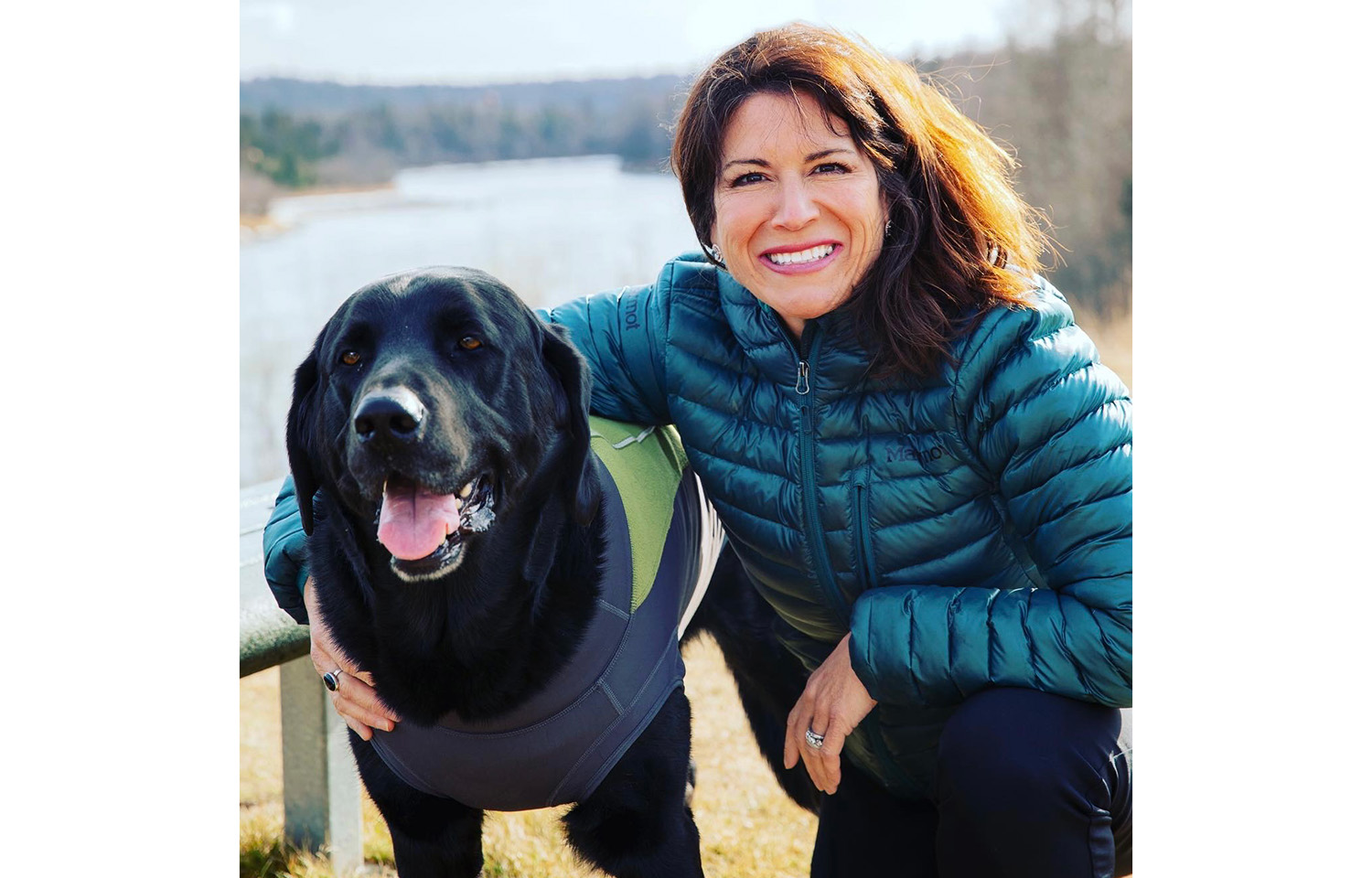
“I thought, what a healthy treat that would be, and I always thought about the skin, because the skin is the most healthy part of the fish,” Erickson said. “If you ever see a bear out in the wild, they eat fish, but they’re not eating the flesh. They rip off the skin and they eat that and they grab the heads, but throw away the flesh. They naturally know that all of the protein and oils and everything they need for health is in that skin.”
After 11 years in the seafood industry, Erickson said she took the leap to entrepreneurship in 2016. Her idea involved calling local fish processing plants and asking them to preserve the fish skins, allowing her to use them for pet treats instead of tossing them as waste.
“I really had to get them into it at first. It was a hassle for them, because the way that a processing plant is set up, they shove a salmon or a fish through the slime line, and when it gets to the skinner, they shove it through and the skin normally falls right into a grinder which is right below the skinner,” Erickson said. “It’s not easy for them to capture those skins otherwise, so it’s a hassle for them.”
She said selling the busy processing plants on the process during peak processing season was not easy, but being a local Alaskan and utilizing preexisting relationships helped her make headway.
“It started out very, very small, and [I] came up with the name AlaSkins, trademarked that, and started selling online,” Erickson said. “I tried it with dogs, originally, and that crunch was so attractive. [Dogs] just loved it; every dog was obsessed with it.”
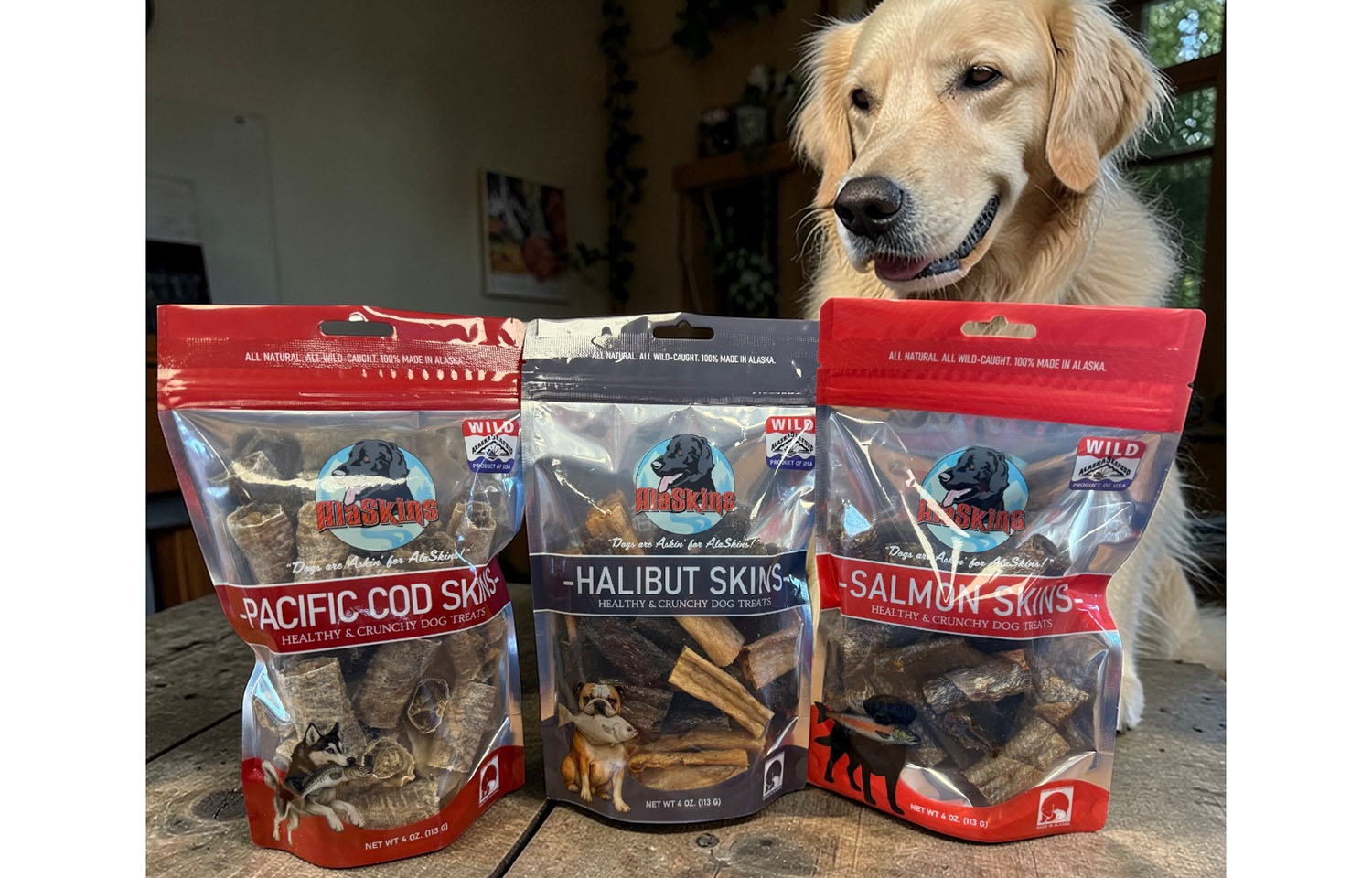
She officially went live in 2017 with her first wholesale customer, AK Bark, in Anchorage, Alaska, U.S.A., dropping off a few bags of product that she had made in her home with a countertop dehydrator using halibut, salmon, and cod skins from the Kenai Peninsula. Erickson said she asked the store to price the product and put it out on the floor to see how it performed. The product was sold out almost instantly.
“The whole idea of it, our mission, is exploring new ways to eliminate waste by turning what was once considered fish waste into a valuable resource,” Erickson said. “It’s not just pet treats; it’s everything. It’s saying. ‘What part of the fish can we use for this?’ Our Alaskan fisheries are wild, so you cannot predict it. It can be a massive run one year in one area, and it can be dead in another.”
Now, Erickson’s company has its own processing plant and employees, and buys fish skins from processing plants year-round. The company is in about 100 stores in Alaska, sells products online, and has started to expand to a few other states.
Products include both dog and cat treats such as salmon skin rolls, smoked moose antler chews, halibut rolls, meal toppers made from the fatty part of meat left on fish skin that's scraped off and cooked down, whole salmon skins, whole cod sticks, canned halibut entrees, and halibut oil.
“When I started, I was the first,” Erickson said. “No one else in the nation was doing [this] back in 2016, and then I saw online some Iceland cod skins, but in the [U.S.] there was nobody in America [doing this]. Now, there’s several companies that have come up and are doing it, and the reason that my growth has been slow is because I don’t have a backer. I don’t have a financial company behind me. I don’t have a rich father; my father passed away in 2004. It was just me and this idea and a dream thinking this could really work.”
Erickson said she began with only USD 7,000 (EUR 5,985.1), and put everything on her credit card instead of taking out a small business loan. That’s hurt her in the long run, she said, but it has not stopped her from wanting to live out her dream of doing business in Alaska.
Erickson said she buys about 40,000 pounds of fish skins a year. She’s developed relationships with fish processing plants to receive the skins, which come frozen on pallets. The challenge has been convincing processing plants to work with her during the tight timelines of the fishing season and convincing companies that it's a lucrative business.
“A lot of things happen in our waters that Alaskans have no control over, whether it’s trawlers, global warming, international stealing of our fish," Erickson said. "There’s a lot of real reasons as to why the fish aren’t coming, so we have to be more creative as to what we do with what we do get."
Producing more from the fish they have is one way that she can help keep the industry robust, she said. AlaSkins has gained enough capital to make Erickson almost debt free, and she’s starting to look for a distributor to expand into larger store locations nationwide.
“I really want to promote Alaska and keep people here in Alaska, and show that a business can really be owned by Alaskans and make it here,” Erickson said. “I fight for that every day. It’s what I fight for most. I’m so tired of all these big promotion agencies promoting companies that aren’t from here. It’s time Alaska really starts looking at its own people who want to stay, who want to invest here, and who aren’t leaving, and help them.”
