






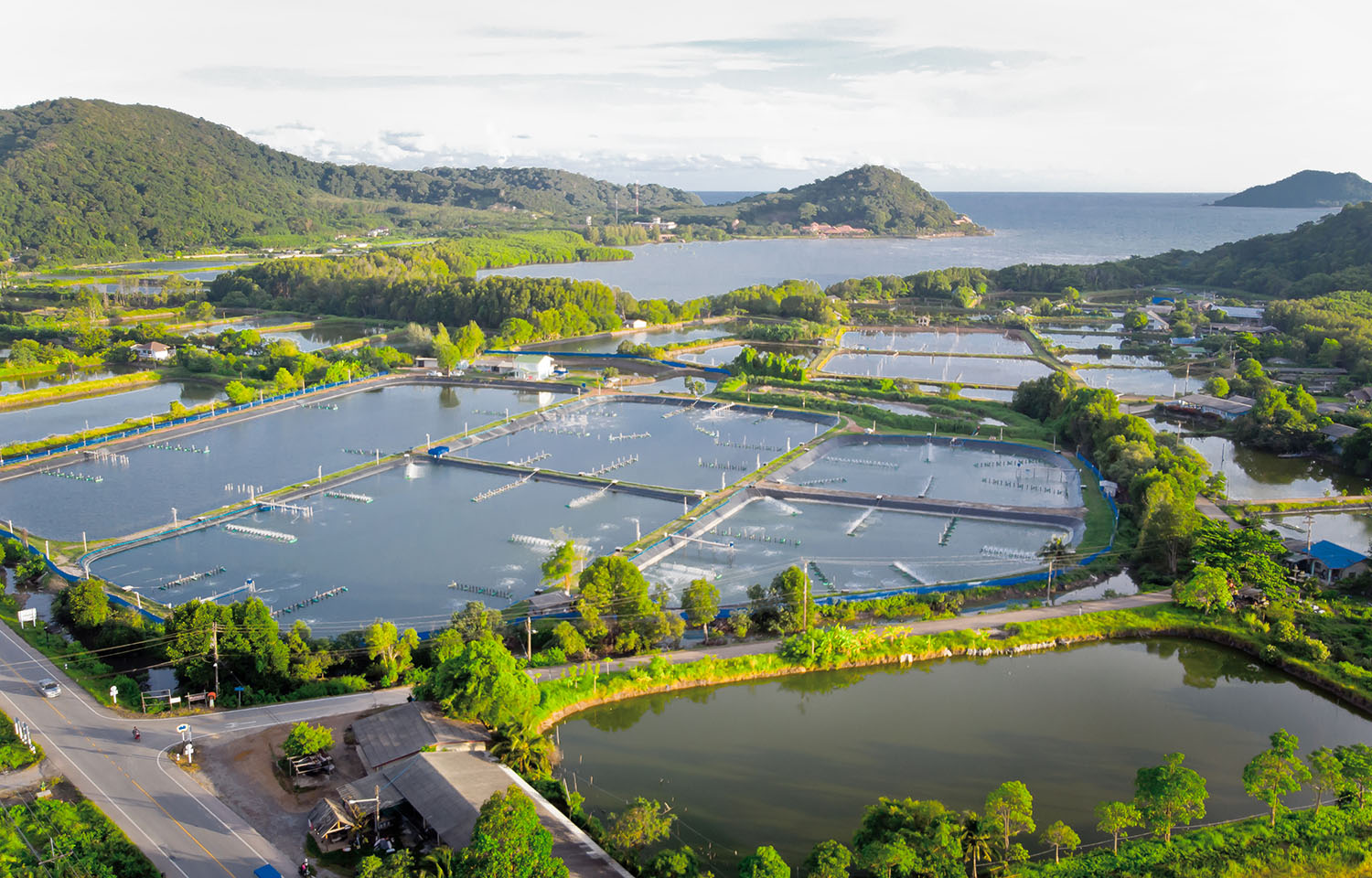
The World Bank and World Wildlife Foundation (WWF) claim the aquaculture sector is primed for massive growth over the next 25 years, but the level of investment in the industry will determine just how much it will grow.
“To realize aquaculture’s full potential, we must shift toward practices that are not only productive, but also environmentally responsible, socially inclusive, and economically viable,” World Bank acting Global Director of the Department of Environment Genevieve Connors said in a release. “This is a call to action – to deepen collaboration, to invest boldly in new aquaculture technologies, and to foster stronger alignment between public and private sectors.”
According to a report coauthored by the World Bank and the WWF titled “Harnessing the Waters: A Trillion Dollar Investment Opportunity in Sustainable Aquaculture,” the current investment rate of around USD 500 billion (EUR 427 billion) per year will result in a growth rate of 1.9 percent, generating 159 million metric tons of production (excluding seaweeds) and providing 8 to 14 million new jobs by 2050.
Slightly more aggressive investments in the sector, however, could yield significantly higher productivity, profit, and employment opportunities.
A USD 1.5 trillion investment (EUR 1.3 trillion) in the sector over the next quarter century, the authors said, could increase aquaculture production to 225 million metric tons by 2050, almost 100 million metric tons higher than the current rates are likely to produce, and create between 13 and 22 million new jobs.
The authors claim this represents an opportunity for governments, development finance institutions, and private investors to invest in scaling sustainable aquaculture to produce that stability and those profits.
According to the report, which studied seven mature aquaculture industries globally, a key factor which is holding the industry back is the need to transition from small-scale to more intensive production.
This transition will require, the authors argued, innovative financing, particularly in emerging markets. The report sought to take learnings from the national industries it studied – which included Bangladesh, Chile, China, Ecuador, Egypt, Thailand, and Vietnam – to make suggestions to investors about the best financial mechanisms for this kind of development.
One key finding was that public-private partnerships and development financing were essential to the success of emerging aquaculture industries.
Market leading national aquaculture industries were characterized by strong governmental support for the growing industry, which often took the form of country-level strategies focused on aquaculture development, public support for private investments in research and development to improve feed and other inputs, public-private initiatives focused on improving resilience around disease and other challenges, and industry-level collaboration, according to the report.
Another key takeaway was that aquaculture is shifting from a niche investment strategy to a mainstream one, which offers investors diversification and stronger long-term returns.
Finally, the report, which was intended for an audience of investors, aimed to reassure its readers of the strength, agility, and promise of the aquaculture industry.
“The rapid growth of the aquaculture industry is a sum of its ability to address numerous challenges to emerge as the fastest-growing animal protein producing industry,” the report concluded.
“Aquaculture is among the most sustainable ways to produce animal protein and will be essential in feeding the world’s growing population,” WWF Senior Director for Aquaculture Sergio Nates said in a release. “As the sector continues to expand, it holds immense potential to deliver positive social impact globally. It’s critical that we guide this growth through sustainable and responsible production practices.”
