


Tokyo, Japan-headquartered food and logistics corporation Nichirei Group has announced it will close its Wakamatsu fish roe factory in Fukuoka Prefecture as part of its long-term strategy toward securing high-yield, sustainable products.
In its FY 2024 results, released in November 2024, the company said that lower profitability in roe prices were a key factor in the slow growth of its Marine Products segment, which lagged behind other segments and finished the year with a net operating profit ratio of only 1 percent.
At the time, the company said that it had begun a transition to focus “on sales of high-margin and Marine Stewardship Council- and Aquaculture Stewardship Council-certified products.”
Following those results, on 21 April, the company announced the closure of the Wakamatsu Factory of the Fresh Maruichi Corporation, a seafood-processing plant under the umbrella of the Nichirei Fresh Corporation, which is itself a subsidiary of the Nichirei Group’s seafood and livestock businesses.
Nichirei cited “Japan’s current economic environment and future business operations” as a reason for the plant’s closure, saying that it had “reviewed our portfolio and determined that it would be difficult to continue the business, and have therefore decided to close the factory.”
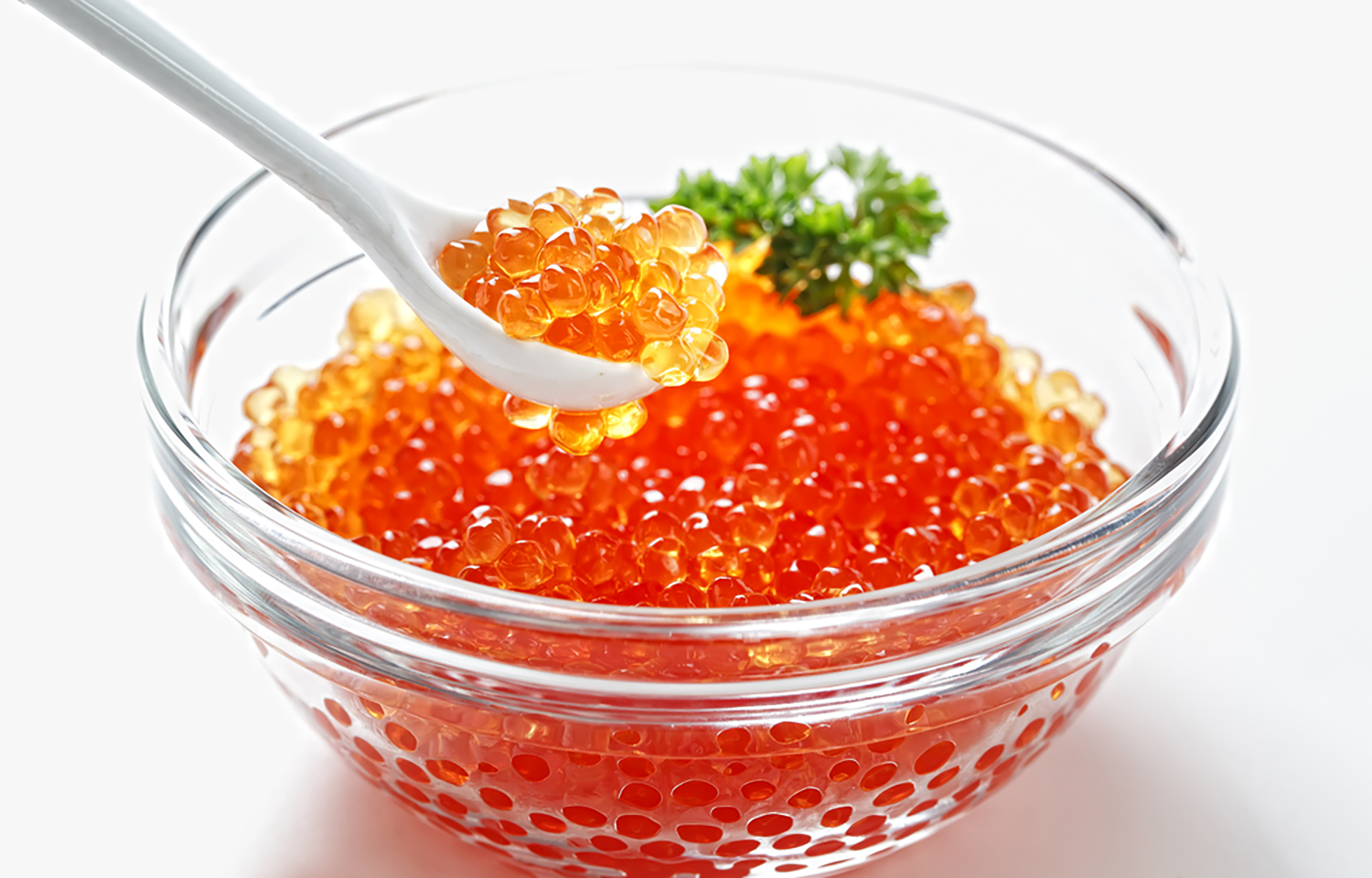
The Wakamatsu Factory, the company said, “has been operating as one of the main factories for processed seafood products of the Nichirei Fresh Group.” It mainly produces value-added fish roe products.
The factory employs nearly 40 people, who, the company said, will be assessed for reassignment to other parts of Nichirei's operations.
The company has said elsewhere in its communications with investors that “the prospect of a significant decline in the Japanese population” has informed its 2030 goals. It has announced a focus on expanding its North American frozen food and logistics operations, as well as on advancing sustainability in its worldwide operations.
An investor’s Q&A in February 2025 included questions about how the company expected its U.S. operations to be impacted by the inauguration of President Donald Trump. At the time, it said that “since most of the raw materials for the products we handle in our business in North America are procured from within the U.S., the additional tariffs have little impact.”
It also said that its Processed Foods and Marine Products businesses in North America would be minimally affected due to the small amount of imports they handled.
