






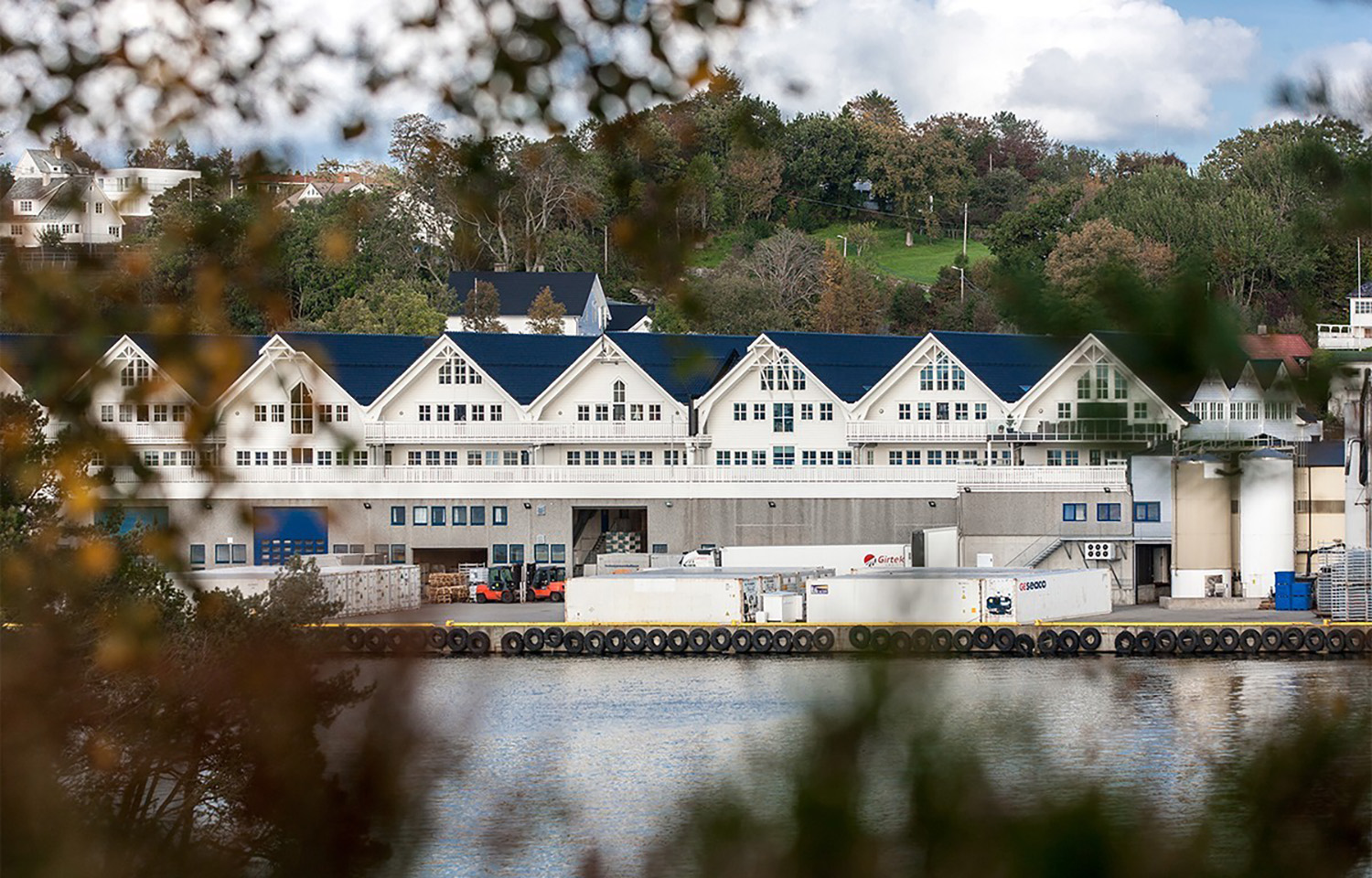
The return of a normalized anchovy-fishing season in Peru helped Austevoll Seafood, which owns Peru-based fishmeal producer Austral Group, among other subsidiaries, significantly grow its earnings in the second quarter of 2024.
According to the Storebø, Norway-based fisheries, aquaculture, processing, sales, and distribution group’s Q2 2024 financial report, for the three-month period, Austevoll posted an operational EBIT of almost NOK 2.6 billion (USD 246.3 million, EUR 221.2 million), compared to NOK 968 million (USD 91.7 million, EUR 82.4 million) in Q2 2023.
At the same time, its operating revenues increased from NOK 8.5 billion (USD 805.1 million, EUR 723 million) to almost NOK 9.9 billion (USD 937.6 million, EUR 842.2 million).
Pelagia’s adjusted EBIT, including revenue from associates, was just under NOK 2.7 billion (USD 255.6 million, EUR 229.6 million) in Q2 2024, compared to NOK 968 million (USD 93.6 million, EUR 84 million) in the same period of last year. Operating profit after fair value adjustment of biological assets and other income and expenses totaled NOK 2.9 billion (USD 273 million, EUR 246 million), compared to NOK 992 million (USD 93.9 million, EUR 84.4 million) in the same period a year previously.
Its quarterly profit before tax was more than NOK 2.6 billion, up from NOK 857 million (USD 81.1 million, EUR 72.9 million) in Q2 2023.
The company attributed the increase in revenue mainly to gains made on the sale of its shares in then-wholly owned subsidiaries Talbor and Br Birkeland Fiskebåtrederi, which totaled NOK 1.27 billion (USD 120.2 million, EUR 108 million).
The group’s Q2 2024 report also notes that joint venture Norskott Havbruk, or Scottish Sea Farms, turned a profitable Q2 after a “very challenging 2023.” In the period, the company saw “strong underlying production, together with a significant improvement in liquidity and financial strength,” according to the report.
Another joint venture, Norway-based Pelagia, had lower levels of activity in the second quarter and was affected by a poor North Sea herring fishing season, resulting in lower supply of raw material volumes.
In spite of the challenges Pelagia’s revenues in the quarter totaled NOK 2.9 billion (USD 274.6 million, EUR 246.6 million), up from NOK 2.5 billion (USD 236.7 million, EUR 212.6 million) in Q2 2023. Its adjusted EBIT was NOK 217 million (USD 20.5 million, EUR 18.5 million), down from NOK 232 million (USD 22 million, EUR 19.7 million).
“The group’s joint ventures and associates have generated good results over time, are significant enterprises in their segments, and represent substantial values for Austevoll Seafood,” the report said.
On average, the group as a whole catches between 350,000 metric tons (MT) and 450,000 MT of pelagic fish annually and 90,000 MT to 110,000 MT of whitefish and is producing between 200,000 MT and 220,000 MT of farmed salmon. It is also receiving between 1.6 million MT and 2 million MT of raw materials at its 33 seafood-processing plants.
