






The U.S. House of Representatives has passed a bill to speed up the delivery of financial relief to fishers and businesses affected by federally recognized fisheries disasters.
Once requests for federal financial relief for fishery disasters are approved by the U.S. Department of Commerce, states, Tribes, or other governments set to receive those funds must submit spending plans on how they plan to distribute the money to eligible individuals and businesses.
Many lawmakers and fishers claim that the process takes far too long, unnecessarily delaying financial relief for struggling fishing communities.
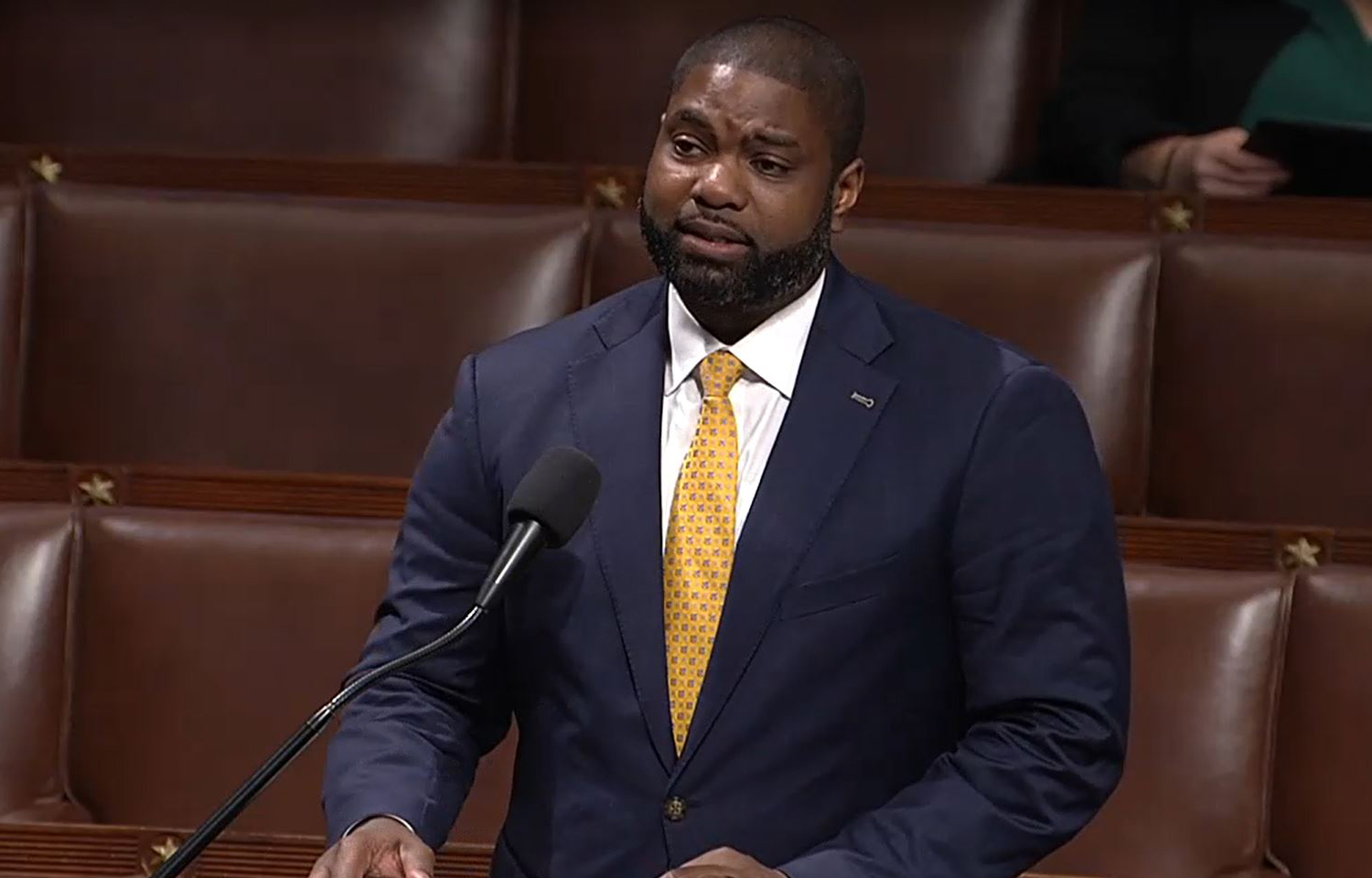
“The state of Florida alone has requested fisheries disaster relief on seven different occasions since 2012; however, on each occasion, over two years has lapsed from the time of approval to when fisheries disaster relief funds were ultimately made available,” U.S. Representative Byron Donalds (R-Florida), the bill’s sponsor, said on the floor of the U.S. House of Representatives on 3 December. “This is simply unacceptable.”
The FISHES Act would require the U.S. Secretary of Commerce to approve or deny state or Tribal government plans for that spending within 10 days. The legislation would also prevent the Office of Management and Budget from delaying statutory timelines for reviewing those spend plans, requiring the office to conduct reviews concurrently with the Department of Commerce.
“Florida’s fisheries are no stranger to natural disaster, but for many, the impacts are felt long after disaster strikes,” U.S. Rep. Daniel Webster (R-Florida) said in a statement. “Burdensome regulations delay recovery efforts for small businesses and communities that are economically and culturally important to the State of Florida. By cutting red tape, this legislation will efficiently deliver much needed aid to help our fishing industry and Florida and across the country.”
The House legislation also requires funds to be delivered to grantees within 90 days of the submission of a spend plan to the Department of Commerce.
The House passed the bill in a voice vote 3 December, with no lawmakers speaking in opposition.
"[The FISHES Act] would speed up the timelines for providing funding to communities affected by fisheries disasters. Coastal communities rely on fisheries for jobs and economic development; however, a fishery's health often depends on environmental conditions, as hurricanes, oil spills, and other disasters can severely impact fisheries and harm coastal economies,” U.S. Rep. Debbie Dingell (D-Michigan) said on the House Floor in support of the legislation. “Delays in processing mean longer wait times for fishers, Tribes, and coastal communities needing relief.”
The legislation would still need to be passed by the U.S. Senate before the current session of Congress ends 3 January in order to become law. A version of the bill was introduced to the Senate by U.S. Senator Rick Scott (R-Florida) earlier this year, but it has yet to receive a hearing since being assigned to the Senate Committee on Commerce, Science, and Transportation.
In May, Donalds wrote a letter to NOAA Fisheries asking the agency to finally issue a fisheries disaster over Hurricane Ian, which hit Florida in September 2022. The agency still had not issued a determination as of publication.
“Many months after the storm, the effects of Hurricane Ian are still being felt in [Southwest Florida] – and I want to emphasize that this federal relief is vital for my constituents,” Donalds said. “Time is of the essence as my community continues to rebuild, but in my view, the untimeliness of this process is unacceptable.”
In September, a group of U.S. senators claimed new financial management software being used by the Department of Commerce was causing lengthy delays in the allocation of fishery disaster funds.
