






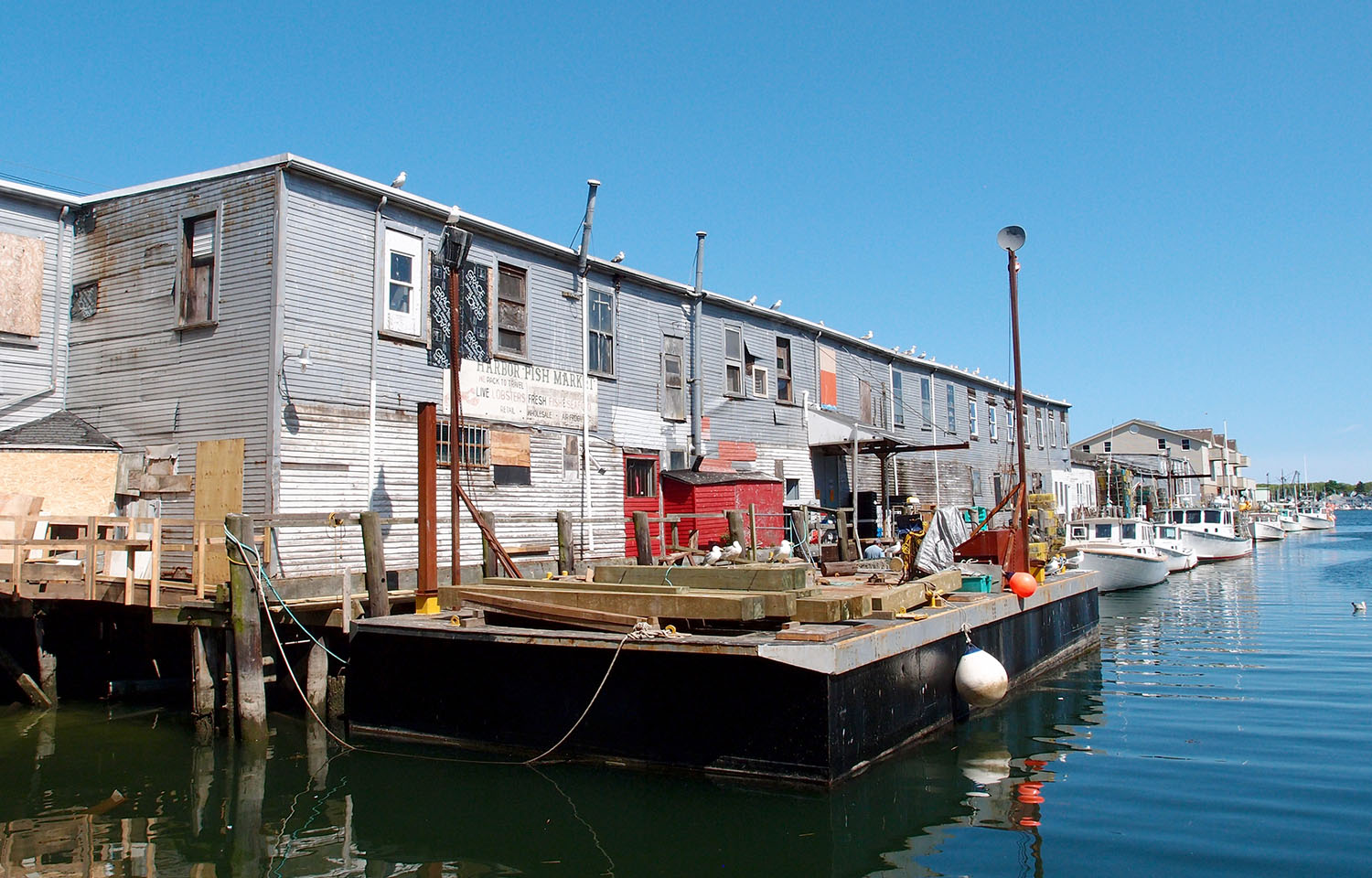
U.S. legislators want to create a new tax credit to incentivize investments that minimize the impact of natural disasters on working waterfronts.
“Let’s empower coastal businesses to invest in flood and disaster prevention before a storm hits,” U.S. Senator Bill Cassidy (R-Louisiana) said in a statement. “Doing so protects our way of life, fishing and coastal industries, and the livelihoods of Louisiana families.”
If passed, the Working Waterfronts Disaster Mitigation Tax Credit Act would provide up to USD 300,000 (EUR 259,382) in a tax credit to coastal businesses that invest in protecting their property from rising water, storms, and similar natural disasters. For projects under USD 1 million (EUR 864,605), the tax credit would equal 30 percent of the investment.
The bipartisan legislation was introduced by Cassidy and U.S. Senator Angus King (I-Maine) in the Senate and by U.S. Representative Chellie Pingree (D-Maine) and U.S. Representative Greg Murphy (R-North Carolina) in the House of Representatives.
“Maine’s coastal communities are changing. From a warming climate to an evolving economy, the Gulf of Maine is facing challenges that will define our state’s success for generations to come,” King said. “The Working Waterfronts Disaster Mitigation Tax Credit Act would provide working waterfronts up and down the coast of Maine with the necessary financial resources to adapt to the rapidly shifting dynamics of natural disasters affecting economic and tourism operations.”
The state of Maine was hit by two major storms in January 2024, with heavy rains and record-breaking high tides damaging vessels, docks, and other coastal infrastructure. State officials estimated the damage from the pair of storms to public infrastructure to be USD 70.3 million (EUR 64.9 million), leading then-President Joe Biden to issue disaster declarations for the state.
“From lobstering to boatbuilding, working waterfronts are the economic backbone of many coastal communities – but they’re vanishing under pressure from development and intensifying climate impacts,” Pingree said in a statement. “In Maine, we've seen firsthand how vulnerable our waterfront infrastructure is to extreme storms and flooding. At a time when coastal communities in Maine, Louisiana, North Carolina, and across the country are feeling the impacts of an ever-changing and increasingly volatile climate, working waterfronts and those they support need the tools to prepare for the next disaster, not just recover from the last. Our bipartisan, bicameral bill is about protecting jobs, preserving access, and ensuring the future of our coastal way of life.”
The legislation has been endorsed by the Rockland, Maine-based nonprofit Island Institute.
“Island Institute is grateful to Senator Angus King for introducing this visionary piece of legislation. Maine’s working waterfront businesses will need all the tools they can get; this tax credit will be an important resource for small business owners, many of whom were affected by catastrophic January 2024 storms. This bill assures that small working waterfront businesses can take steps today that will help them to prepare for future impacts of climate change,” Island Institute President Kimberly Hamilton said in a statement.
