

The Canadian Aquaculture Industry Alliance has rebranded to Canadian Seafood Farmers in a move it said reflects its alignment with farming sectors across Canada.
The newly coined CSF said the decision was made at its annual general meeting and comes at a time when the Canadian government, and Prime Minister Mark Carney in particular, has made economic resilience a central priority.
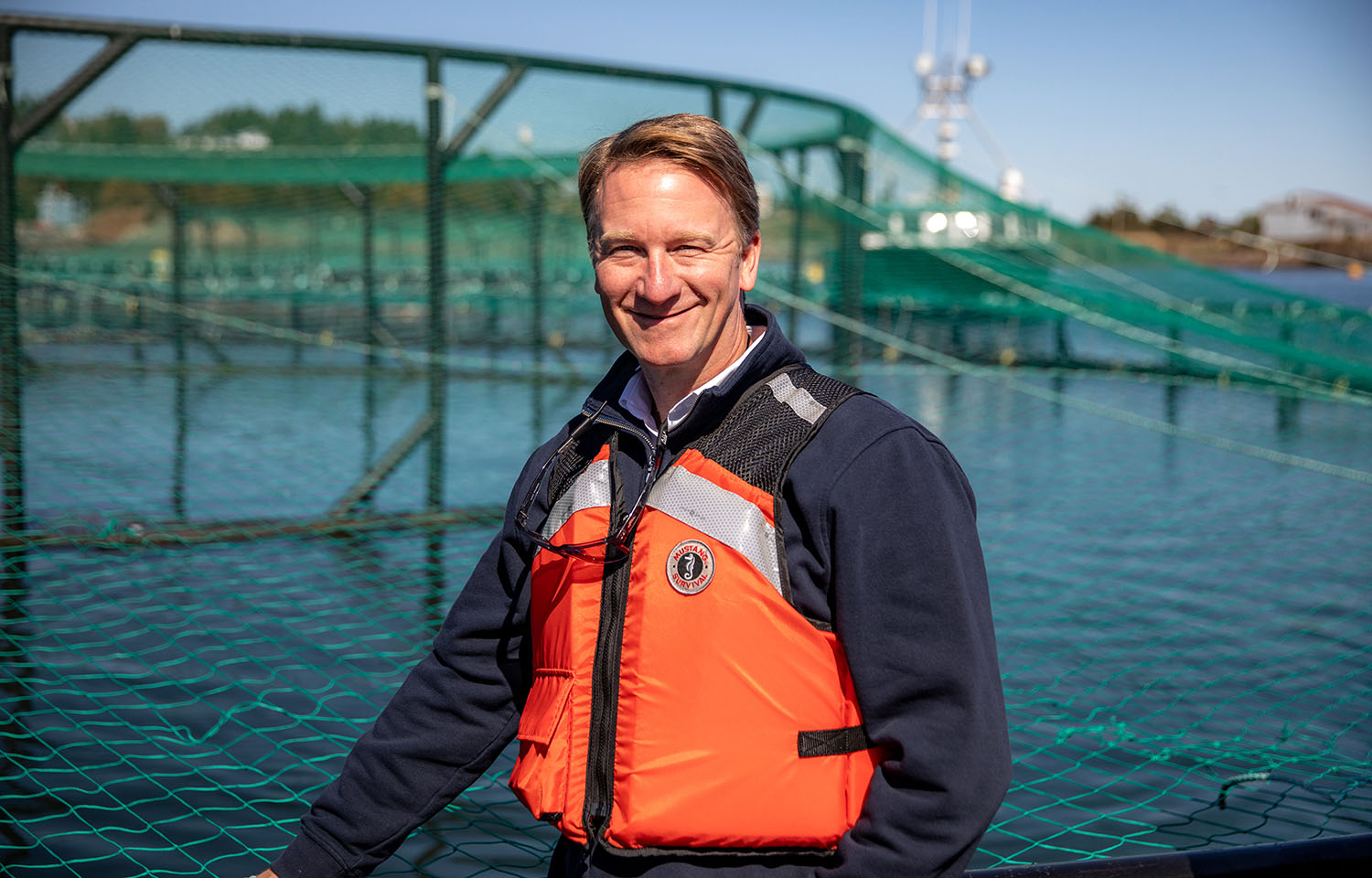
"Aquaculture is agriculture, and our members are focused on responsibly growing, harvesting, and processing Product of Canada seafood for grocery stores,” CSF President and CEO Timothy Kennedy said. "As Prime Minister Carney implements the new National Food Security Strategy, our farmers can grow more here, process more here, and put more Canadian seafood on Canadian plates.”
CSF said as aquaculture becomes a larger piece of global food production, Canada could secure billions of dollars in its economy by investing in aquaculture production.
"Generations of Canadians have been farming seafood, and they want to grow more of it here at home, which provides huge social and economic benefits to rural and urban communities given our massive supply chain depth into towns and cities," Joel Richardson, the chair of CSF and the vice president of public relations for Cooke Aquaculture, said.
CSF further explained it is focused on advancing aquaculture as an essential part of the food sector in Canada and, to that end, is advocating for multiple policies at the government level, including a “positive path for BC salmon farming” and recognition of seafood farming as farming.
The B.C. salmon farming sector has had to grapple with a looming phase-out of all net pen aquaculture in the province after the country's Department of Fisheries and Oceans set a 30 June 2029 end date to remove all net-pen operations in the region. The salmon industry in B.C. has been pushing back on that plan, and the CSF is calling for policy that “protects jobs, supports First Nations and coastal communities, and delivers Canadian-grown salmon.”
The CSF said it is also calling for more modern management of the shellfish sector.
“Aquaculture science can be used for more wild salmon recovery projects, takes pressure off wild stocks, and protects the ocean through regulations. The federal government has a responsibility to align with successful provincial government aquaculture growth strategies to build a more affordable and resilient food system in Canada,” Richardson said. “Seafood farming is also youthful with [the] highest agricultural employee retention rate in one of the most technologically advanced farming sectors. It’s ideally suited for Canadians and for our waters.”
