





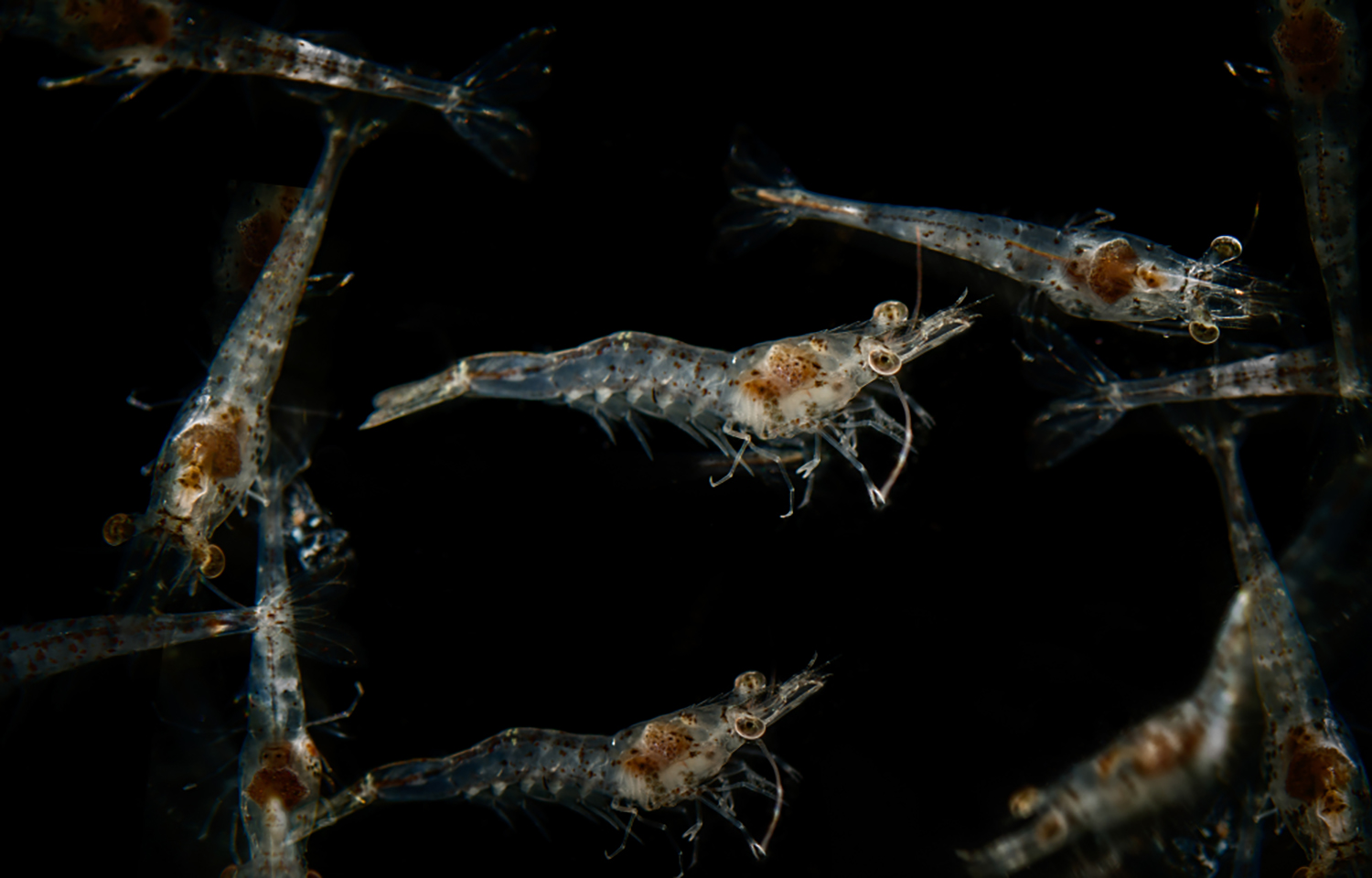
Chinese aquafeed firm Yuehai Feed has opened a major seedling production base in the eastern province of Jiangsu, aiding in China's goal to become self-sufficient in shrimp larvae production.
The new plant will produce seedlings that aim to help the local shrimp industry “reduce costs, increase efficiency, and achieve steady development,” Zheng Zhenlong, the general manager of Yuehai’s new seed subsidiary that will operate the plant, told local media.
China’s government has poured subsidies into bolstering China’s seedling self-sufficiency in recent years, attempting to reduce the nation’s reliance on imports from U.S. suppliers.
Aquaculture expert Kevin Fitzsimmons told SeafoodSource that the new facility is one of several large-scale hatcheries that have been set up or are being established in China to accomplish that goal.
“The ones I visited several years ago, pre-covid, were state-of-the-art and capable of many millions of post-larvae [PLs] per month,” he said, referring to fully grown shrimp that have grown past their larval stage. “I understood that the government policy was to reduce or even eliminate imports of PLs and broodstock for sanitary as well as financial reasons.”
To that end, Zhenlong said the new subsidiary will focus on “quality optimization, deeply cultivating independent breeding research and development, and prioritizing the creation of high-survival-rate, high-growth-promote, and high-disease-resistant Yuehai shrimp seedlings.”
The opening of the plant comes two years after Cheng Kaimin, then technical director of Yuehai Feed, said the Chinese government needed to do more to become self-sufficient in sourcing seed for its vast aquaculture sector.
Cheng said at the time that China’s continued reliance on imported seedlings is a “roadblock” to growth.
Companies in neighboring Vietnam have similarly prioritized larval self-sufficiency, with Viet Uc revealing earlier this year it was planning to launch a shrimp-breeding expansion plan that included a roadmap to reach a PL market share of over 40 percent in Vietnam within the next five years.
To achieve this target, the company said it does not necessarily need to construct new facilities because existing infrastructure already possesses a design capacity of 40 billion to 50 billion seeds. Instead, the company plans to meet this objective by increasing equipment investments, optimizing internal processes, and recruiting approximately 2,000 additional personnel.
