



The Democratic Republic of the Congo (DRC) has instituted a new fisheries and aquaculture law that aims to boost fish production, combat illegal fishing, and synergize the country's seafood industry with the rest of East Africa’s value chain.
DRC President Félix Tshisekedi approved the new legislation and, by doing so, replaced a law that had been in place since 1937.
Government officials had long expressed concern the existing framework was not only unsuitable for supporting modern seafood best practices but also lacked capacity to effectively drive sustainable production growth within the country's fisheries.
The repealed law, according to a report from E.U.-funded regional fisheries program SmartFish, “predates all major international agreements relating to fisheries and needs to be updated in light of more recent regional and international obligations.”
DRC-based NGO Dynamics of Young Leaders for Peace and Respect for Human Rights (DYJEPREDHU) further explained that the country holds over 52 percent of Sub-Saharan Africa's surface water resources.
However, despite its vast natural resources, for the DRC to feed its more than 110 million people, the country has to "import hundreds of thousands of tons of frozen fish annually, primarily horse mackerel from Southern Africa and tilapia from China, "causing a massive flight of foreign currency and draining hundreds of millions of dollars from the national economy each year."
DYJEPREDHU Executive Director Christian Masonga said in the DRC, where the United Nations estimates over 4 million children under the age of 5 to be in urgent need of treatment for acute malnutrition, fish is traditionally "the most accessible source of animal protein for Congolese households," but current domestic supply fails to meet minimum nutritional requirements, partly due to “local aquaculture output remain[ing] negligible, leaving the country's vast water networks severely underproductive.”
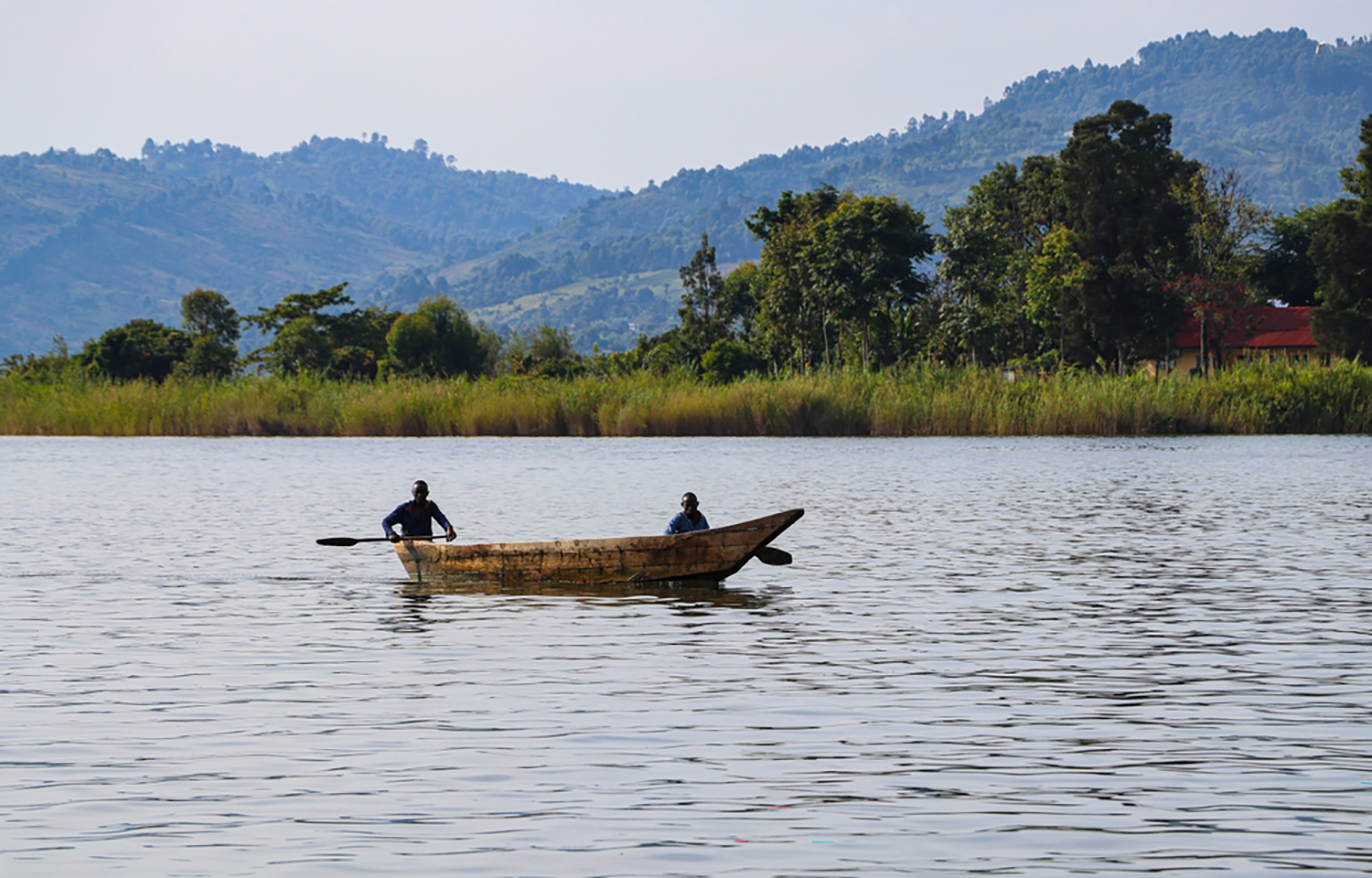
Aiming to mitigate that issue, another pillar of the new legislation is to achieve food security through such strategies as modernizing fish-farming techniques and integrating the country's fisheries and aquaculture sector with that of the other seven member nations of the East African Community (EAC), particularly in the coordination management of cross-border fisheries such as Lake Tanganyika.
Elsewhere, the new law insists on stringent compliance to measures targeting the eradication of illegal fishing, the use of unapproved substances in fishing operations, and catch methods classified as unsustainable both in the DRC and under global best wild capture and farming protocols.
The annual output potential of DRC’s fisheries is estimated at more than 700,000 metric tons.
