





U.S. fresh, frozen, and shelf-stable seafood sales rose by both value and volume in September, marking the first time all three categories saw year-over-year growth in months.
Fresh seafood price inflation rose 3.3 percent, but sales by volume in the category still grew 4.8 percent, while sales by value increased 5.8 percent to USD 666 million (EUR 595 million), according to Lakeland, Florida, U.S.A.-based 210 Analytics, which analyzes Circana data. The dollar sales growth was a combination of inflation, which was up 0.9 percent on a per-pound basis, and demand-driven growth, 210 Analytics Principal Anne-Marie Roerink told SeafoodSource.
Similarly, frozen seafood inflation jumped up 7.6 percent, but sales volumes rose 1.5 percent, while sales by value grew 9.4 percent to USD 642 million (EUR 573 million).
“Compared to the full-year view, dollar and pound growth are improving,” Roerink said.
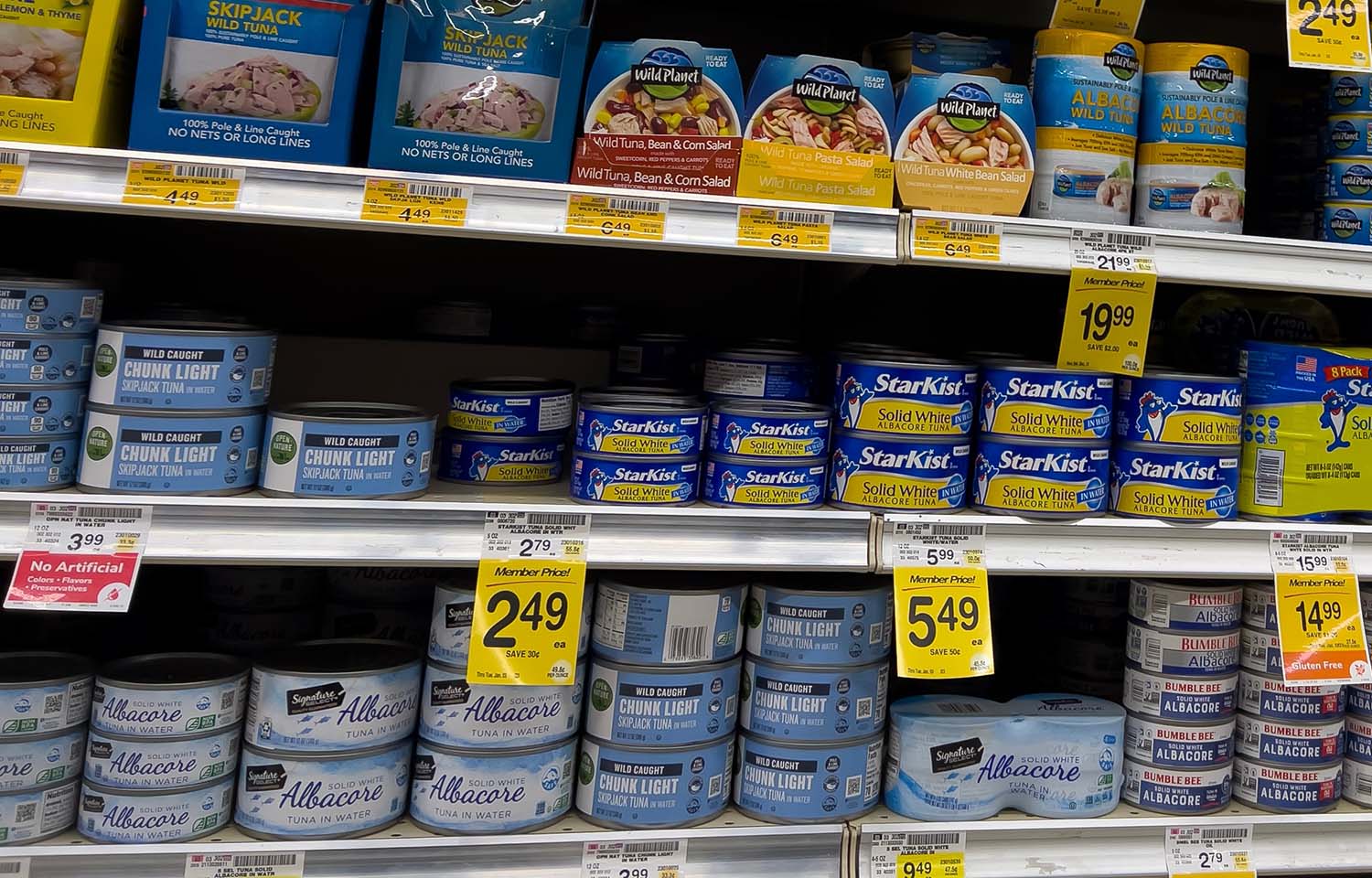
Despite its 12.3 percent price hike in September, shelf-stable seafood sales still rose. Sales by value rose to 14.8 percent in September, totaling USD 305 million (EUR 272 million), while sales by volume rose 2.3 percent year over year – lower than the increase the category saw in previous months.
Still, tinned seafood remains very popular among Americans, as sardines realized a sales increase of nearly 37 percent by value to USD 38.9 million (EUR 35 million) and 5.8 percent by volume. That total made it the second-best seller behind tuna in September. Tuna sales by value increased 9.7 percent to USD 208 million (EUR 186 million), but units grew only 0.2 percent.
Ambient salmon sales also performed well, hiking up 22.4 percent by value in September to reach USD 28.1 million (EUR 25 million), while sales by volume inclined 12.5 percent.
While the numbers are positive, some of the sales increases last month can be attributed to favorable comparisons to September 2025, which was around the time seafood prices began to climb and demand started to fall, Roerink told SeafoodSource.
Fresh seafood sales benefited from a 14.6 percent increase in sales by value for shellfish, which also saw a 20.7 percent increase in sales by volume. Shrimp was one of the standout performers, with sales by value rising 14 percent and sales by volume soaring 22.4 percent in September.
Similarly, fresh lobster sales by value grew nearly 18 percent, while sales by volume jumped 36.6 percent. Crab sales by value rose 13.4 percent, while sales by volume increased 12.5 percent.
It was a similar story in frozen seafood, where the gain in pound sales was driven by shellfish, with sales by value rising 6.2 percent and volume sales inclining 4 percent.
Shrimp, in particular, “continued to dominate” frozen seafood sales, boosted by 12.7 percent growth in dollars and 4 percent in pounds, according to Roerink.
“In the full-year view, pounds remained down substantially year over year, but September showed long-awaited improvement,” she said.
Frozen crab also performed well, with sales by value soaring 18.5 percent and sales by pounds rising 4.7 percent. Frozen salmon, meanwhile, rose 10 percent by value and 4.4 percent by pounds.
The gains came even as consumer confidence dropped again in September amid rising energy cost concerns. Additionally, the first increase in interest rates since 2023 – rising to a range of 3.75 percent to 4 percent – may add pressure in the months ahead, Roerink said.
Plus, gas prices climbed back to the peak levels seen in May, forcing consumers to balance spending on gasoline and groceries, per Roerink.
In fact the U.S. Consumer Price Index rose 3.7 percent in September – up from 3.4 percent in August – driven by a 5.2 percent surge in energy costs.
