





A proposed gold mine in British Columbia, Canada, is causing controversy for residents in Alaska.
The New Polaris gold mine is 100 kilometers south of Atlin, British Columbia, and is located near the Alaska border, particularly near the city of Juneau, according to a report by CBC. The project is owned by Vancouver, Canada-based natural resource acquisition company Canagold, which is looking to refurbish the abandoned mine and produce an estimated 90,000 kilograms of ore daily. CBC reported that the gold mine dates back to 1929 with its first gold discovery and remained operational from 1937 to 1957.
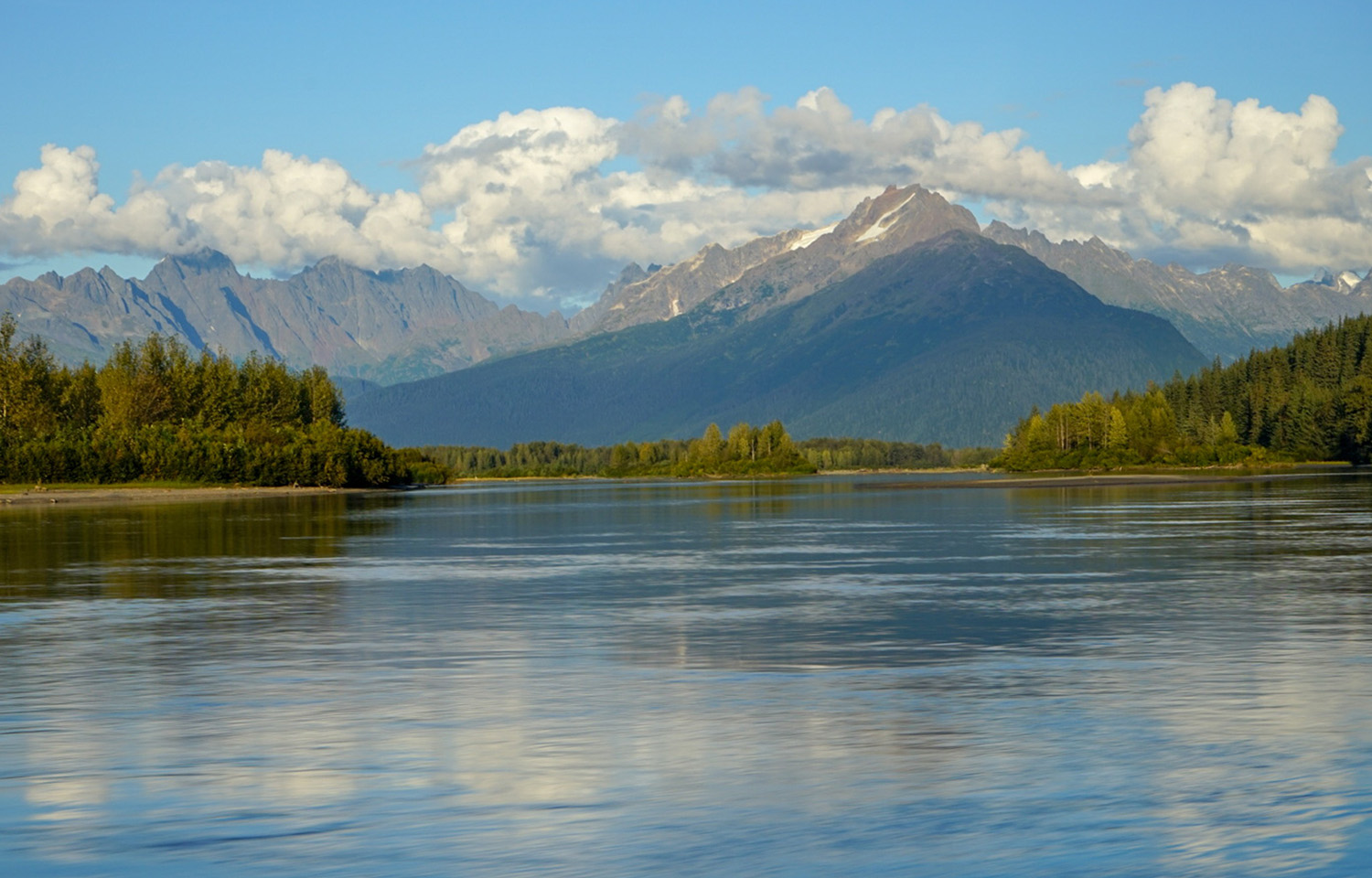
In September 2025, Alaskan residents expressed dismay at a Canagold open house event it hosted due to the mine’s close proximity to the Taku River, which the Tulsequah River, which is near the gold mine, flows into. The Taku River is a “highly productive” salmon river with up to 2 million fish returning annually, as reported by KTOO. In May of this year, CBC reported that Alaskan advocates told the state’s legislature that Candian pollution would be harmful to the highly productive salmon fishery.
“We cannot afford to stand by and watch B.C. threaten the health of Alaska's fisheries, transboundary rivers, and our communities,” Alaska Longline Fishermen’s Association Executive Director Linda Behnken told CBC. “It's time for the state of Alaska to protect Alaska's interests.”
The Alaska Department of Fish and Game (ADF&G) reported that the Taku River has runs of all five species of Pacific salmon, with the largest run of Chinook salmon in both Southeast Alaska and Northern British Columbia. It also holds some of the larger statewide runs of sockeye and coho salmon.
The Taku River is also essential for many Native Alaskan communities, such as the Tlingit people and the T'aaḵu Ḵwáa andA'akw Kwáan Tribes. The Taku River Tlingit First Nation (TRTFN) and the Douglas Indian Association (DIA) are two organizations in the area working with government officials to ensure the water is preserved for salmon fisheries.
Through the Alaska National Interest Lands Conservation Act (ANILCA) Program, which protects about two-thirds, or 222 million acres, statewide with federal management measures, areas under protection must collaborate with Native groups to ensure best practices for environmental safeguarding are in place. However, CBC reported that earlier in 2025, the British Columbia government “moved to limit its responsibilities to U.S.-based Tribes during the environmental assessment process.”
Since, Canagold agreed to not use cyanide at the site when processing gold.
Native Alaskans also raised concern about the transport of materials to the site on waterways, citing the risk of pollution and spillage. CBC reported that the use of barges would be limited, and water quality would be regularly tested to ensure fish health.
Elsewhere, Alaskan advocacy organization Salmon Beyond Borders published a petition in opposition to the project asking for public support to speak out.
“We do not support the New Polaris gold mine project as currently proposed, given the risky barging plans that include navigating U.S. waters and irreparable impacts to essential wild salmon habitat,” the petition said. “The proposed New Polaris gold mine threatens some of the world's best remaining intact, productive wild salmon spawning and rearing habitats. Downstream in Alaska, we rely on Taku wild salmon to support our commercial and sport fishing and tourism industries, as well as our ways of life.”
Former ADF&G Commissioner Frank Rue also spoke out against the project in a published opinion piece in the Alaskan newspaper Juneau Empire, asking B.C. to “clean up yesterday’s mine before permitting tomorrow’s,” referencing the ongoing Tulsequah River cleanup disaster.
Accepting public comments is a part of the third round of the project’s four-round approval process under the “engagement with Alaska Tribes” section. Now that public comments have been accepted and closed, the next steps include accepting any revisions to the project application, referring to relevant ministers for decisions on the environmental assessment (EA) application, and issuance of any legal orders. Then, the project managers will work on application development and review with a 180-day legislated timeline.
“There is a 180-day legislated timeline from the submission of the application for the EA to issue the Notice of Application Revision to Canagold, directing them to prepare a revised application in response to the issues and information requests raised,” project documents said. “The EA will seek agreement with participating Indigenous Nations on any matters that pertain to their interests to include in the EA’s notice to Canagold respecting the revised application.”
The project was first announced in 2021. In March 2023, Canagold announced the initial project description (IPD) and the engagement plan was submitted to start the EA process. In January 2025, Canagold identified “significant antimony production potential” at the New Polaris site.
