




Officials in the U.S. state of Alaska are again asking for better protections for salmon in the state’s transboundary rivers.
Data compiled by the Alaska Seafood Marketing Institute (ASMI) shows that salmon traveling from Canada into Southeast Alaska yield harvests of millions of salmon, valued at over USD 225 million (EUR 192.6 million) and making up roughly one-third of all North Pacific salmon runs.
Though officials in both Alaska and Canada have said the two sides are working closely to protect transboundary salmon through such initiatives as Alaska’s Bilateral Working Group, many in Alaska feel there is more work that needs to be done, with some once again calling on the U.S. federal government to increase pressure on Canada to better protect waterways on its side of the border.
Those voices include nonprofit advocacy organization Salmon Beyond Borders, which applauded U.S. senators Lisa Murkowski (R-Alaska) and Dan Sullivan (R-Alaska) for recently calling on U.S. President Donald Trump to enforce Canadian mine cleanup efforts along salmon transboundary waters in a 26 February letter submitted to the U.S. government.
“It’s time for the state of Alaska to join the senators’ call for binding transboundary river protections and real accountability from British Columbia and Canada – before it’s too late,” Salmon Beyond Borders Director Breanna Walker said in a release. “For eight years, the administration [of Governor Mike Dunleavy] has undermined widespread calls for transboundary river protection from senators Murkowski and Sullivan, Alaska legislators, municipalities, Tribes, commercial and sport fishermen, tour operators, and thousands of Alaskans. The state is ignoring the fact that just across the border in our transboundary river systems, more than 100 B.C. mines are in some stage of operation, development, exploration, or abandonment.”
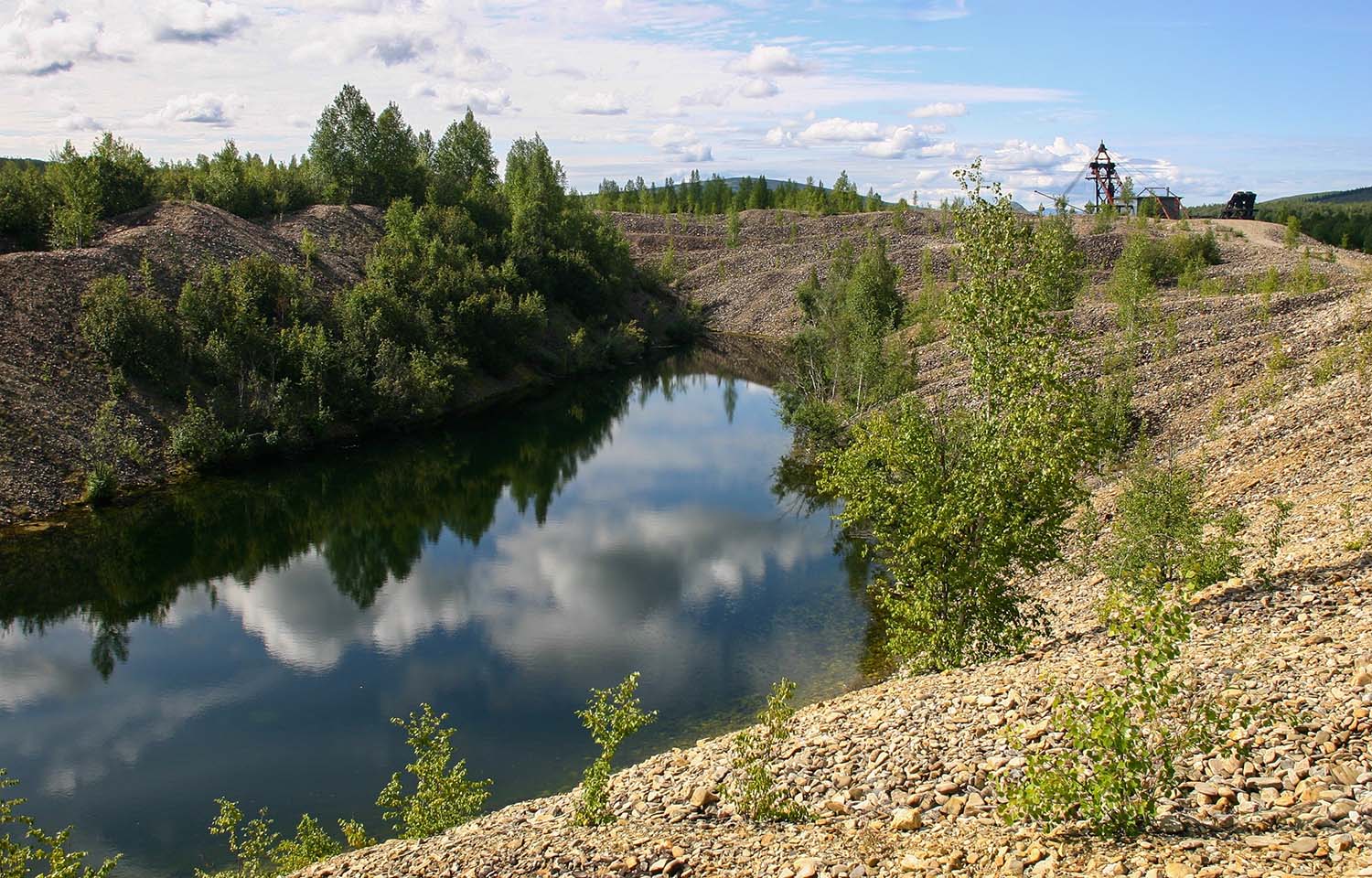
Salmon Beyond Borders’ calls to action included “demanding the cleanup of British Columbia’s Tulsequah Chief Mine and other abandoned Canadian mines, denying Canada U.S. taxpayer investments in the country’s mines and processing facilities until Canada commits to mine cleanup, ensuring Canadian transboundary mines post the full amount of money needed for cleanups prior to operation, and convincing Canadian legislators to agree to use existing legal frameworks like the Boundary Waters Treaty and the Pacific Salmon Treaty for future transboundary mine sites.”
According to Salmon Beyond Borders, the latest calls from the Alaskan congressional delegation are just one of numerous requests made across four U.S. presidential administrations asking the federal government to achieve binding protections for several shared river valleys – so far to no avail.
“Today, three B.C. acid-generating, gold-copper mines with tailings dams are operating in the region, and more than 100 low-grade hard rock mine projects are in some phase of exploration, proposal, or development,” the organization said. “A recent report by B.C.'s Pacific Salmon Foundation warned that Canadian mining pressure along shared rivers could lead to ‘undocumented extinction’ of salmon runs.”
