





The Aleutians East Borough in Alaska filed a formal ethics complaint with Alaska’s Attorney General regarding a vote taken that approved the dismantling of an adaptive conservation management program.
The complaint alleged that a council member who voted should have recused themselves from the February Alaska Board of Fisheries meeting due to a conflict of interest.
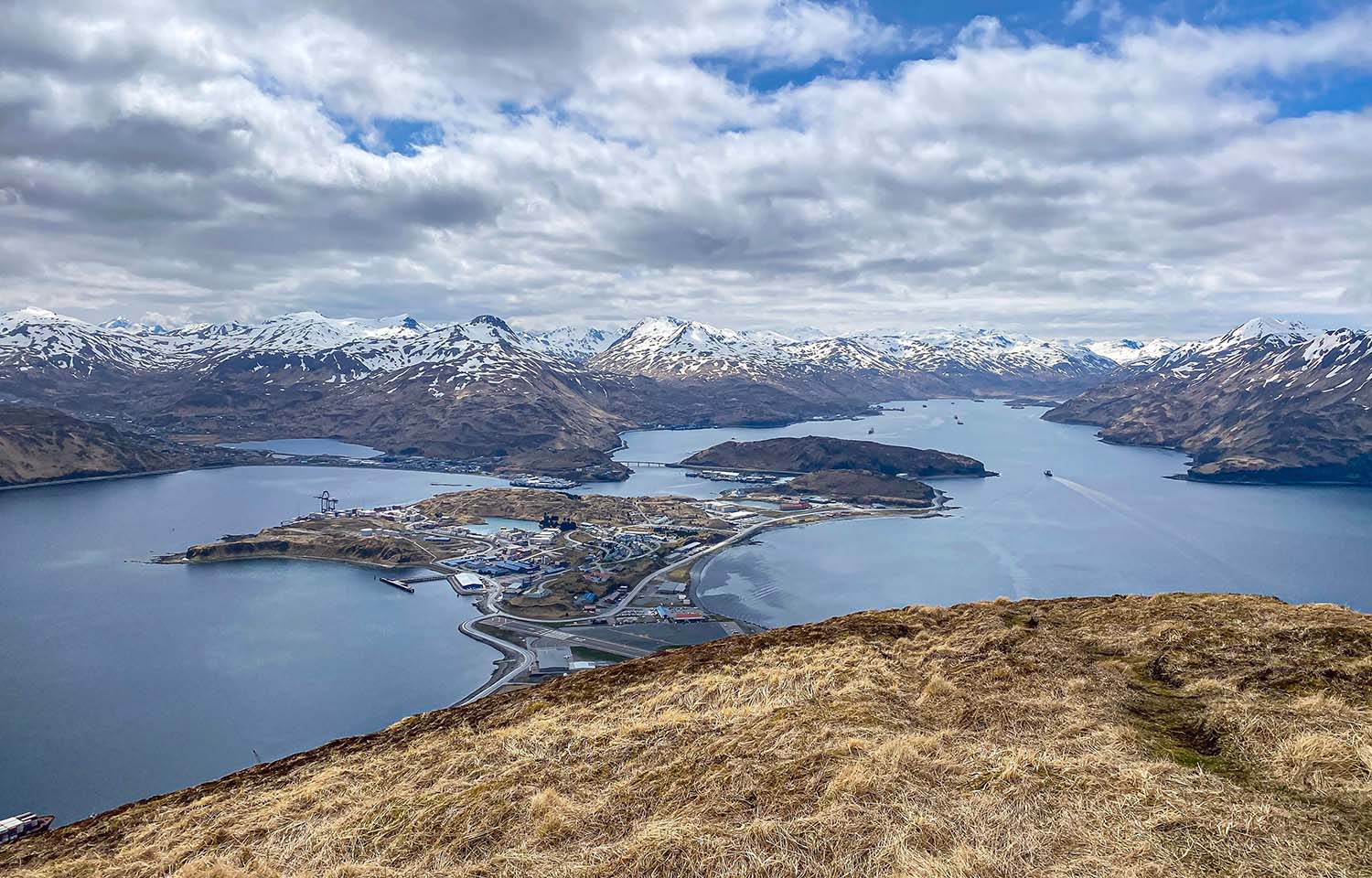
The Alaska Peninsula and Aleutian Islands Management Area is commonly referred to as Area M and includes waters on the south side of the Alaska Peninsula west of the Chignik Management Area, waters on the north side of the Alaska Peninsula west of Bristol Bay, and waters of the Aleutian Islands west of Unimak Island.
The Area M adaptive conservation management program was developed with the Alaska Department of Fish and Game (ADF&G) in 2022 to protect salmon populations from further strain in the area. It includes several measures to mitigate bycatch, reduce overfishing, provide real-time data reports on fishing quotas, and ultimately issue stop-fishing requests when applicable.
In a release from the Aleutians East Borough, the state borough reported that the single-margin vote cast by Board Member Curtis Chamberlin determined the fate of the program and that Chamberlain currently works as an attorney at Calista Corporation, which “has publicly and repeatedly advocated for the restriction and closure of Area M fisheries for years.” The release added that two formal conflict-of-interest complaints were documented before the vote, but Board Chair Marit Carlson VanDort “failed to acknowledge” them.
“What happened to Area M at the Board of Fisheries is what happens when politicians appoint board members who arrive at the meeting with their minds already made up,” Aleutians East Borough Mayor Alvin D. Osterback said. “We asked them to use science to determine what tools should best be used to help chum returns. Instead, they have done nothing to help the stocks – just a repeat of board meetings over the past 40 years that will result in the continued decline of salmon returning to their systems.”
Aleutians East Borough reported that since 2022, the Area M adaptive management program has reduced the average annual June chum harvest by 50 percent, compared to the five-year average before the program’s existence.
The regulation passed in February “eliminates the adaptive triggers that made this program work, replaces a data-responsive management system with a fixed calendar schedule, and compresses the available fishing window so tightly that the voluntary shutdowns that produced four years of documented conservation progress are no longer structurally possible,” the Aleutians East Borough release said. Further, it also eliminates chum harvest triggers, leaving no automatic response linked to the real-time abundance data reports, the report added.
“The adaptive management program worked because it was created and led by fishermen who were determined to make it succeed,” commercial fisherman and False Pass Tribal member Carlin Hoblet said. “[Fishermen] voluntarily sacrificed fishing time and real income because conservation mattered to them and they believed in the program. This program was unlike anything else in the state – a voluntary, real-time, data-driven conservation tool developed collaboratively. It took years of effort, significant financial sacrifice, and countless hours of coordination, research, and analysis to build a system that measurably reduced chum harvest in a mixed-stock fishery while preserving opportunity on abundant runs. It was working.”
Leaders of several local Tribes also spoke out after the board’s vote to suspend the program.
Presidents of the Native Village Tribes from Unga, Qagan Tayagungin, Agdaagux Tribe of King Cove, Belkofski, False Pass, and Pauloff Harbor all shared similar sentiments of disappointment in the release, coupled with a call to action for the Alaska Attorney General’s Office to review and take action on the formal ethics complaint filed on 23 February.
“The State of Alaska needs to address the conflict-of-interest rules for this Board before they ruin other fisheries in the state,” Osterback said. “Area M loses and the [Arctic-Yukon-Kuskokwim region] loses because the Board of Fisheries is failing Alaska’s fishermen and its fish. It’s a sad day for all fishermen and their communities.”
