


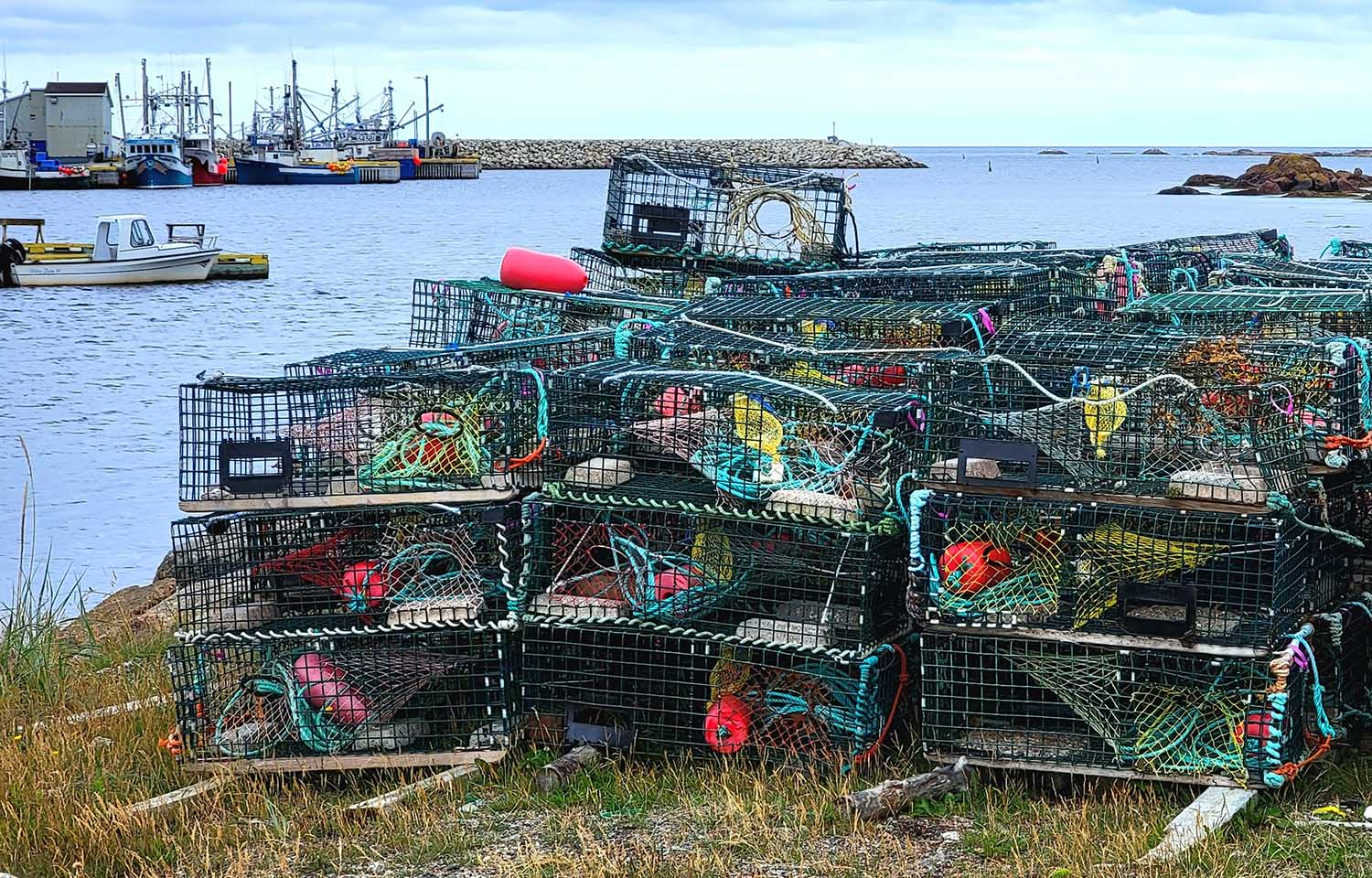
A First Nations chief from Prince Edward Island, Canada, has accused Canadian fisheries officers of seizing roughly 300 lobster traps from First Nations fishers, claiming this is a violation of their treaty-protected rights.
On 18 May, Department of Fisheries and Oceans (DFO) Canada officers removed 300 traps belonging to three First Nations fishers from Malpeque Bay on Lennox Island, according to CBC News. The government claims the traps were unauthorized and moved them to the wharf in Alberton.
While the First Nation has a treaty-protected right to operate a subsistence lobster fishery separate from the federally managed commercial fishery, the Canadian government and the First Nations have disagreed as to the size of that fishery. While DFO has only authorized the subsistence fishery for 1,000 traps, the First Nations government allowed 1,500 traps last year. The First Nation’s attempts to grow its subsistence fishery has drawn criticism from commercial fishers in the area, who argue that an increased effort from subsistence fishers depletes a limited resource they are all competing for.
The PEI Fishermen's Association told CBC News that it supports enforcement action to remove unauthorized traps.
"The association has been a long-time supporter of the 'one license in, one license out' concept. This simple equation means that no additional traps or effort are allowed in the lobster fishery so that critical sustainability balances are maintained," the association said.
DFO claims it retains the authority to remove unauthorized traps. However, Lennox Island First Nation Chief Darlene Bernard told CBC News that her government may take legal action and would be putting traps in the water later in the week to replace the seized gear.
"We are going to secure more traps, and if they take 300 out, we're going to put 300 back in," Bernard told CBC News. "There's going to be 1,500 traps in the water."
