


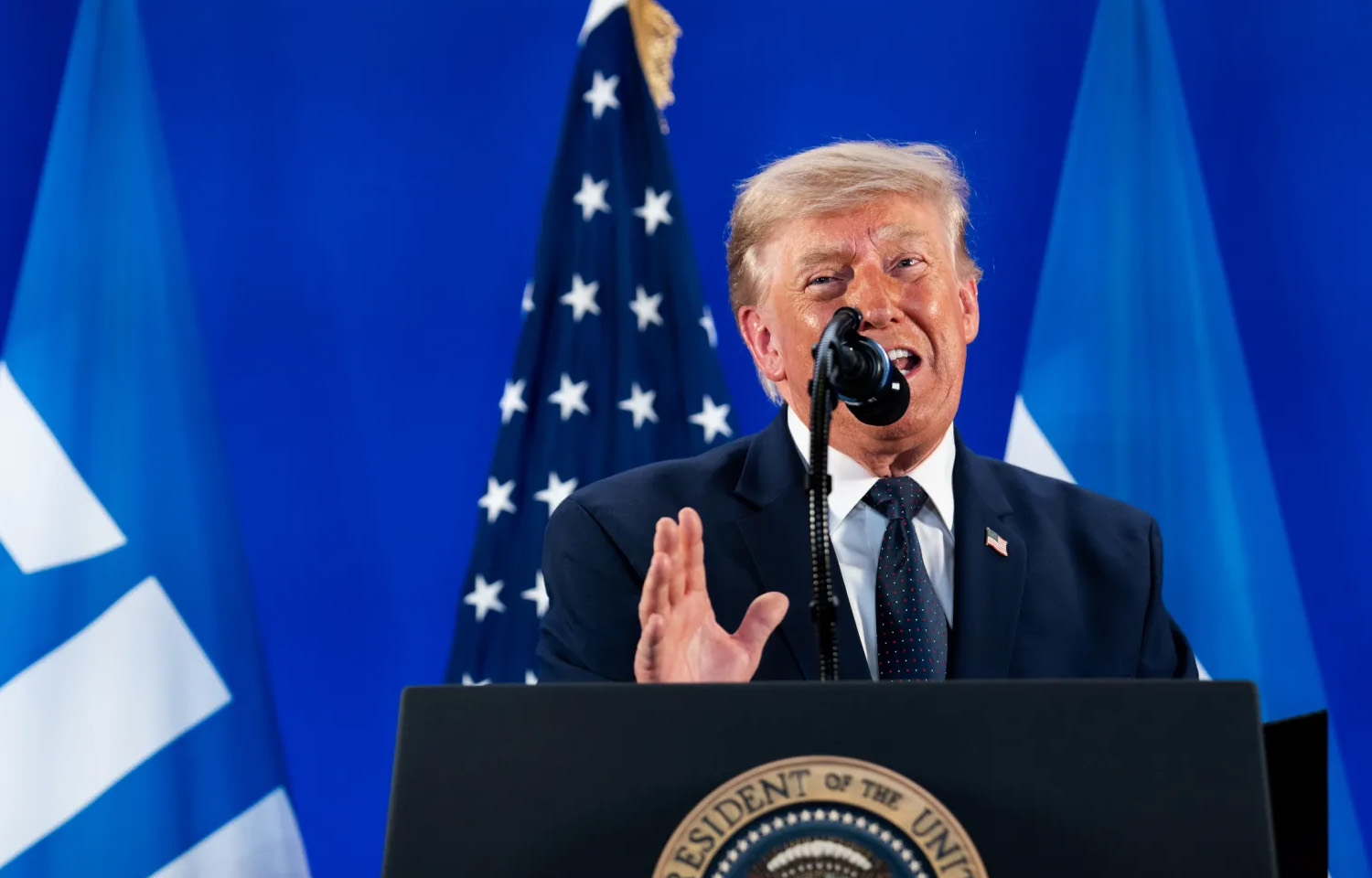
The administration of U.S. President Donald Trump has launched sweeping tariffs on 59 different countries and the entire E.U. following Section 301 investigations.
The United States Trade Representative (USTR) began 60 investigations in March 2026 related to the “failure of various economies to impose and effectively enforce a prohibition on the importation of goods produced with forced labor.” In June, the USTR said it was planning to target those countries with tariff rates of between 10 and 12.5 percent, depending on the commitments the countries made to oppose forced labor.
Following that proposal, USTR received written comments and held public hearings regarding their suggested action and has since determined it will hit all countries investigated with some level of tariff.
Economies that have “committed to impose and enforce” a prohibition on forced labor will receive a tariff of 10 percent. Those countries are Argentina, Bangladesh, Cambodia, Canada, Ecuador, El Salvador, Guatemala, Honduras, India, Indonesia, Jordan, Malaysia, Mexico, Pakistan, Sri Lanka, Trinidad and Tobago, and the United Kingdom.
The next tier is 10 percent, or 12.5 percent net of most-favored-nation rate, applying to certain products of the E.U., Taiwan, Japan, Korea, and Switzerland, for products that are not otherwise exempted.
All remaining countries will be hit with the full 12.5 percent tariff. Those countries are Algeria, Angola, Australia, the Bahamas, Bahrain, Brazil, Chile, China, Colombia, Costa Rica, Dominican Republic, Egypt, Guyana, Hong Kong, Iraq, Israel, Kazakhstan, Kuwait, Libya, Morocco, New Zealand, Nicaragua, Nigeria, Norway, Oman, Peru, the Philippines, Qatar, Russia, Saudi Arabia, Singapore, South Africa, Thailand, Türkiye, United Arab Emirates, Uruguay, Venezuela, and Vietnam.
“President Trump recognizes that decades of moral suasion have not eradicated forced labor from global supply chains. The United States has had a forced labor import ban for nearly a century and rigorously enforces it; it’s well past time for our trading partners to do the same,” USTR Ambassador Jamieson Greer said in a release. “Today’s action will begin to correct what is both a human rights abuse and distortive trade practice to improve the welfare of workers everywhere. I am encouraged by the trading partners who have moved quickly to adopt forced labor import prohibitions and look forward to ensuring their effective enforcement.”
The new tariffs replace a sweeping 10 percent tariff that Trump enacted using Section 122 of the Trade Act of 1974, which by statute could only last until 24 July, or 150 days after they were enacted on 24 February. While the U.S. Court of International Trade ruled Trump’s use of Section 122 was illegal, duties were still being collected using that tariff rate.
The new tariffs effectively replace that rate on many countries, and Democratic lawmakers accused the administration of using forced labor as a pretext to continue imposing tariffs following the U.S. Supreme Court striking down earlier International Emergency Economic Powers Act (IEEPA)-backed tariffs and the trade court striking down the Section 122 tariffs.
“Trump’s next trade scheme is ordering USTR to reconstruct his illegal global tariffs under the guise of addressing forced labor,” Senator Ron Wyden (D-Oregon) said during a congressional hearing on tariffs. “If the administration wants to get serious about forced labor, the first step is to look at its own enforcement record.”
Foreign leaders also decried the new tariffs, including major seafood exporters like Norway. In a statement to Reuters, Norwegian Foreign Minister Espen Barth Eide said the country strongly disagreed that Norway isn’t doing enough to combat forced labor.
"Norway was among the first countries to introduce legislation to prevent forced labor in supply chains through the Transparency Act. We have communicated this clearly to U.S. authorities," he said.
Chile’s salmon industry had earlier set a trip to the U.S. to fight against the 12.5 percent tariff but ultimately failed to sway the administration.
