






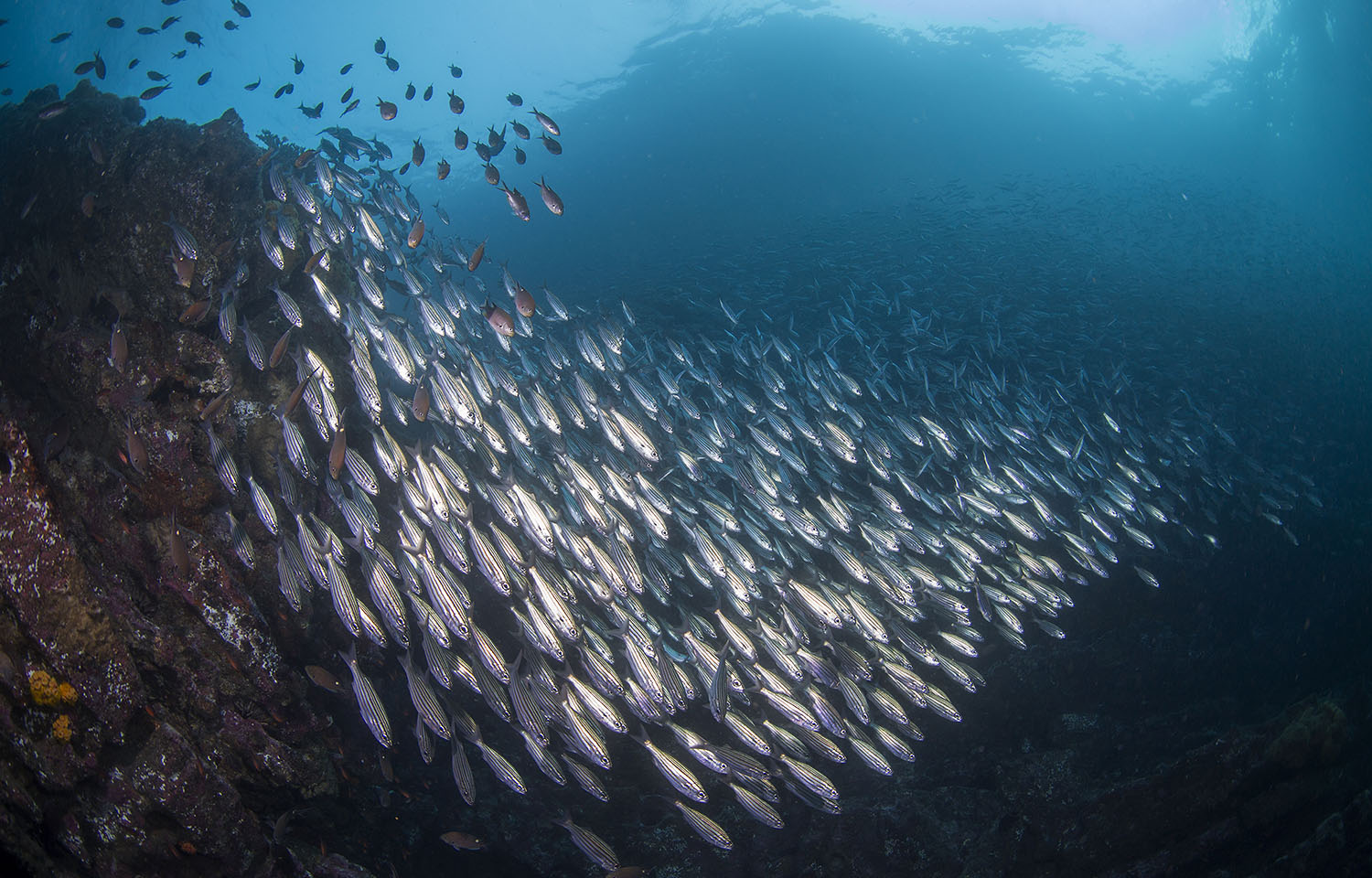
Ecuador’s small pelagic fishery has passed the MarinTrust fishery assessment, marking the first step in the process of fishmeal and fish oil in the South American country achieving MarinTrust recognition.
The certification program for marine ingredients like fishmeal and fish oil involves third party audits of production facilities, which cannot be conducted until the fishery from which ingredients are harvested has been assessed.
The achievement comes seven years after Ecuador’s National Chamber of Fisheries (CNP) initiated the Small Pelagics Sustainability Fishery Improvement Project (SPS-FIP) in 2018.
The public-private partnership included collaborations from 21 companies in the small pelagics sector, fishmeal and fish oil producers, feed manufacturers, and government bodies like the Fisheries Authority and the Public Institute for Aquaculture and Fisheries Research (IPIAP), which worked together to address sustainability and certification hurdles in the fishery.
MarinTrust Impacts Manager Nicola Clark said that fishery assessment is crucial because it confirms that marine ingredients are drawn from non-IUU fisheries which conform to Food and Agriculture Organization (FAO) requirements and other labor standards.
CNP Small Pelagics Commission President Carlos Cacao added that the process of assessing the small pelagic fishery in particular was challenging due to its multi-species nature.
He called the milestone “the result of seven years of work, significant financial effort, and time invested” and said he hoped other Ecuadorian fisheries might take inspiration from what the small pelagic fishery achieved.
The achievement will support not only fishmeal and fish oil production in Ecuador but also the shrimp feed industry, which the CNP said exports more than USD 7 billion (EUR 6 billion) worth of products each year.
