






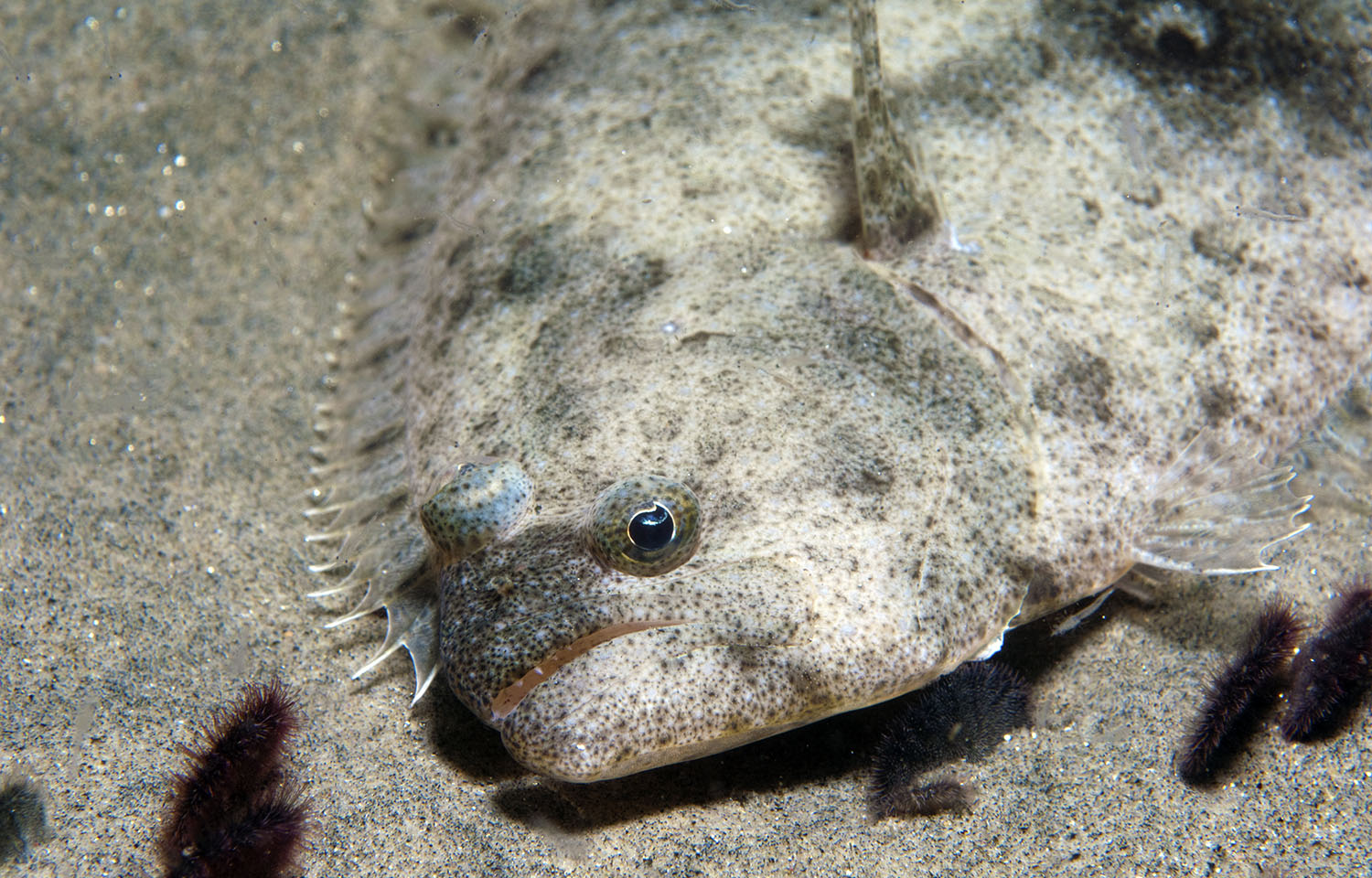
A U.S. federal grand jury has indicted five commercial fishers from the state of Alaska for falsely reporting their halibut catch over multiple years.
According to the U.S. Department of Justice, Yakutat, Alaska-based fisher Jonathan Pavlik conspired with other experienced fishers to catch halibut and report the landings as each fisher’s individual fishing quota (IFQ), even when they were not aboard the vessel at all times during the fishing trips as required by federal law. Prosecutors claim the fishers have illegally harvested roughly 10,700 pounds of halibut between 2019 and 2023 under the scheme, which they claim violates the Lacey Act.
The other Alaska fishers named in the indictment are Vincent Jacobson of Yakutat, Kyle Dierick of Yakutat, Michael Babic of Cordova, and Timothy Ross of Washington.
The indictment also alleges that Pavlik sold 9,600 pounds of halibut after illegally transferring his catch from the F/V Bad Intentions to the F/V New Era and making false statements.
“Pavlik is charged with four counts of Lacey Act conspiracy, five counts of Lacey Act unlawful sale, and five counts of Lacey Act false labeling,” the U.S. Attorney's Office for the District of Alaska said in a statement. “Jacobson, Dierick, Babic and Ross are each charged with one count of Lacey Act conspiracy. The defendants are scheduled to make their initial court appearances over the next two weeks before U.S. Magistrate Judge Matthew M. Scoble of the U.S. District Court for the District of Alaska.”
The defendants face up to five years in prison for each count and a fine of up to USD 250,000 (EUR 214,537).
This follows another Alaska scheme that took place in April, when Alaska Wildlife Troopers charged a fishing family with sharing limited entry permits to bypass individual salmon harvesting limits – although the defendants claim sharing permits is common practice in the industry. Law enforcement said the scheme involved fraudulent paperwork and generated USD 1.2 million (EUR 1 million) in illegal proceeds.
“Over 21 crewmembers were interviewed, revealing a coordinated scheme involving false statements under penalty of perjury and permit manipulation to defraud the state and fish buyers,” Alaska Wildlife Troopers claim.
