



Like any technology, as the adoption of electronic monitoring (EM) in seafood increases, so do the use cases for how EM can create value for seafood supply chains. An example of this is an EM and first-mile traceability pilot project in the Costa Rican longline tuna fishery. Led by The Nature Conservancy, the pilot has brought on several partners to explore how EM can address traceability challenges.
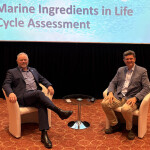
SeafoodSource spoke with participants in the project – Stephanie Pazzaglia, JJ McDonnell; Sam Grimley, Sea Pact; Alvaro Teran, The Nature Conservancy; Erin Taylor, Wholechain; and Gabby Lout, Ocean Outcomes – about how data collection, data sharing, and collaboration can create value for seafood supply chains. They are also participants in a SENA Panel, Unlocking the Business Value of Electronic Monitoring, taking place from 12:45 p.m. to 1:30 p.m. on March 16, 2026 in Room 153CB
SeafoodSource: How do Sea Pact companies create value from electronic monitoring data?
Sam Grimley, SeaPact: Sea Pact exists to help leading seafood companies move further and faster together than any one of them could alone, and our involvement in TNC's Costa Rica tuna EM project is exactly that in action.
SeafoodSource: Why should supply chain companies care about this EM project?
Alvaro Teran, The Nature Conservancy: This project represents a critical milestone in our journey toward the 'Fishery of the Future.' We are moving beyond the traditional traceability model – which often relies on vulnerable paper records – to a system where environmental, social, and quality conditions are verified at the source before the product even enters the global supply chain. By integrating AI-powered Electronic Monitoring (EM) with RFID tagging at the fish level, we’ve created a digital 'birth certificate' for every tuna. This ensures that when a product reaches a U.S. buyer, its origin, legal harvest, and handling quality are no longer a matter of trust, but a matter of data.
This achievement was only possible through a truly diverse and committed network of partners. I should thank Thalos and Tryolabs for their technical brilliance in solving 'edge' computing challenges; INCOPESCA and CNIP for their leadership in Costa Rica; and specifically Robert Nunez, the vessel owner, whose operational expertise allowed us to bridge the gap between technology and the reality of life at sea.
Ultimately, this is about empowering the producer. For too long, captains who invest in higher environmental and quality standards have lacked a mechanism to differentiate their product in a crowded market. We are finally giving them the tools to verify their excellence, de-risking the supply chain for the buyer while ensuring the fisher is finally rewarded for the true value of their catch.
SeafoodSource: How does the program align with JJ McDonnell’s philosophy or mission and how does it align with your focus on responsibly managed supply chains?
Stephanie Pazzaglia, JJ McDonnell: At JJ McDonnell, our mission and long-term commitment is to connect our customers with responsibly sourced fisheries, both domestic and international. That commitment is what led us to engage in groups like Sea Pact, and projects that directly impact and help improve our supply chain. Our involvement in TNC's Costa Rica Electric Monitoring tuna project through Sea Pact has been particularly successful. This project gave us the opportunity to contribute real market perspectives and practical lessons in bringing fish to market. We hope these insights will aid in the development of the project as it grows. Pre-competitive collaboration with Sea Pact members has proven invaluable, being that the supply chain benefits when industry leaders are focused on developing solutions together, rather than independently.
We've also seen benefits we didn't fully anticipate, such as participating vessels using EM and other technology which promotes delivering high quality fish. The implementation of this technology in the region has helped participating harvesters address quality handling practices on their vessels due to verification via electronic monitoring. When we are able to point to data confirming how and where a product was caught, it reaffirms our retail and foodservice customers' commitment to responsible sourcing. Paired with first-mile traceability technology, EM reduces sourcing risk and provides the transparency our customers increasingly require.
SeafoodSource: Is this a unique opportunity in Costa Rica, or is this an example of EM and data collection’s ability to create value in the supply chain?
Erin Taylor, Wholechain: At Wholechain, we know electronic monitoring for vessels is powerful. But the real value shows up when that vessel-level data does not stay on the boat. In the Costa Rica tuna project, EM footage is reviewed with AI to help verify what was caught, and each tuna is tagged at the time of capture. That information, along with handling and temperature data, is carried forward through the supply chain in a digital, standardized record. When it moves in standardized formats into the systems that distributors and retailers already use, it becomes practical. It helps buyers understand not just where a fish came from, but how it was caught and handled. We see this kind of interoperability as the bridge between sustainability data and real business outcomes.
This flow of data has clear business benefits. Buyers have stronger confidence in their sourcing. They can reduce the risk of mislabeling. Cold-chain data helps them better manage quality and shelf life. For harvesters and suppliers, it opens the door to customers who are asking tougher questions about both sustainability and social responsibility.
We believe EM reaches its full potential when it becomes part of a connected traceability system versus a standalone tool. This project shows that EM is more than a compliance requirement; when connected thoughtfully, the resulting data becomes usable intelligence across the value chain. It supports better decisions, stronger relationships, and greater transparency from vessel to buyer.
SeafoodSource: How does industry buy-in to these types of projects help support responsible supply chains and empower crew members?
Gabby Lout, Ocean Outcomes: What our work really underscores is how intentional use of technology – not for its own sake, but strategically designed and ethically implemented – can provide real business value, support a variety of stakeholder needs, and begin to create an enabling environment for improved worker welfare.
