



More commercial fishers in the U.S. will get to try out on-demand fishing gear in 2025 as the industry continues to evaluate the technology as a viable solution for preventing whale entanglements.
NOAA Fisheries counted 67 instances of whale entanglements in U.S. waters in 2022, 40 percent of which were confirmed to have involved commercial or recreational fishing gear.
On the East Coast, North Atlantic right whales are the main concern. Critically endangered, there are only about 370 individuals left in the wild.
On the West Coast, endangered humpback whales are the primary concern, but gray whale entanglements are also a concern. A report published by NOAA last year found that 25 whales were entangled off the West Coast of the U.S. in 2023, while two whales found entangled in Mexico were determined to have been caught up in U.S. commercial fishing gear.
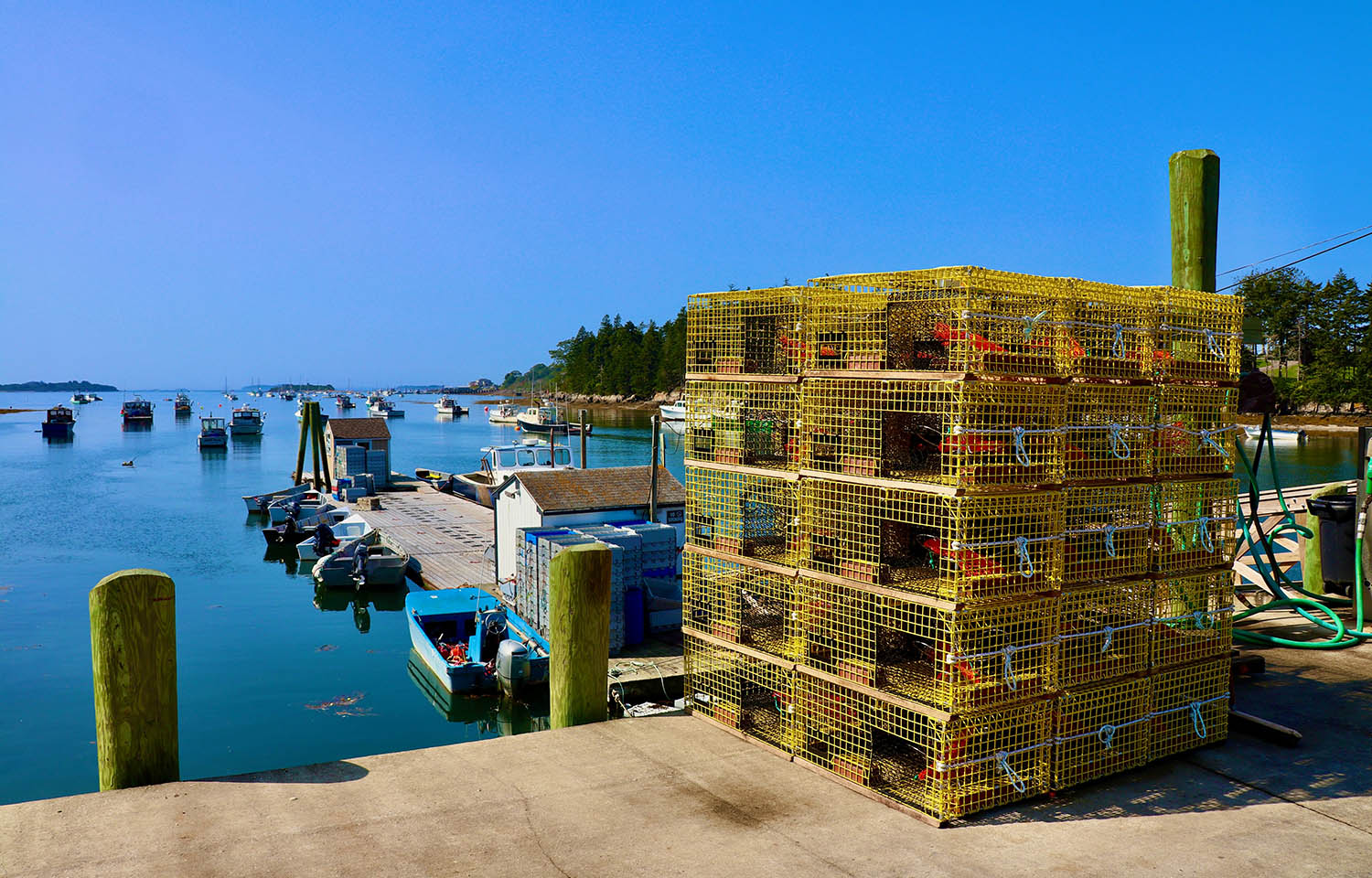
The vertical lines used in crab, lobster, and other pot fisheries are frequently blamed for these entanglements, which have become a constant threat to pot fisheries in the U.S. Along the West Coast, the 2024 commercial Dungeness crab seasons were delayed for weeks over an abundance of migratory humpback whales in the region.
On the East Coast, the Maine state government asked lobstermen to take precautionary measures in January 2025 to avoid entanglements with a cluster of right whales feeding off the southern coast of Maine.
“One entanglement will eventually lead to additional federal restrictions, including closed areas and limiting the use of traditional gear, former Maine Department of Marine Resources Commissioner Patrick Keliher said in a statement. “Failure of the industry to self-regulate your activity could be costly in the long run. I urge fishermen to work together to reduce the amount of gear and endlines in the area in order to protect both the right whales as well as the future of the Maine lobster fishery.”
To protect whales, state and federal regulators have relied on a combination of fishery delays and closures and trap reductions.
However, pop-up gear advocates argue that transitioning to ropeless or popup gear will reduce the risk of entanglements, making those fisheries less susceptible to delays or sudden closures due to the presence of whales.
While the fishing sector has largely opposed any mandated switch to ropeless gear, pilot programs and gear rental initiatives are helping familiarize fishers with new gear types, test the viability of that gear for everyday commercial use, and reduce the number of vertical lines in the water.
The largest pilot program took place last year in California, with 19 commercial fishers participating in an experimental Dungeness crab fishery during the spring, when waters are typically closed to Dungeness crab fishing to prevent whale entanglements. Participants tested out alternative crabbing gear provided by Sub Sea Sonics and Guardian Ropeless Systems, and reported a successful limited season.
“The pop-ups worked, and we brought home every trap that we set,” Steve Melz, a crab fisherman from Half Moon Bay, California, said in a testimonial about the 2024 pilot program. “The whole test is a complete success: crabbing in the spring again in front of home, no dirty buoys to clean, you never go to the wrong end of the string and not to mention the better price that is paid for the crabs.”
Less than 2 percent of gear was lost during the program, and participants landed roughly 292,000 pounds of crab valued at approximately USD 1.5 million (EUR 1.4 million).
“Results from this [pilot program] demonstrated that whale protection and management of a highly profitable crab fishery are not mutually exclusive,” Russ Mullins, the owner of Guardian Ropeless Systems, said in a statement. “It is time for the spring pop-up fishery to be authorized for licensed commercial crabbers.”
Pleased with the results, the California Fish and Game Commission voted in December 2024 to double the number of fishers who can participate in the 2025 pilot program to 40.
“We applaud the California Fish and Game Commission and Department of Fish and Wildlife for this critical action towards saving whales,” Oceana California Campaign Director Geoff Shester said in a statement. “By allowing more fishermen to use pop-up fishing gear, managers are charting a sustainable and productive future for California’s Dungeness crab fishery. Expanded gear testing will pave the way for fleetwide authorization of pop-up fishing gear for use in the springtime when conventional crab traps are prohibited due to whale entanglement risk. Fishermen are at the forefront of re-innovating California’s Dungeness crab fishery, and we are now one step closer to California residents and restaurants being able to purchase whale-safe Dungeness crab.”
Other efforts to introduce and test on-demand fishing gear are ongoing. The Northeast Fisheries Science Center runs a gear-lending library that lets New England fishers borrow on-demand gear to try out.
As of mid-2024, NOAA Fisheries was working with roughly 50 fishers across five states testing out on-demand gear, with some fishers allowed to operate in federal waters that are seasonally closed to other commercial fishing operations provided they use alternative gear.
NOAA Fisheries has released a draft strategy for developing on-demand gear called “Ropeless Roadmap: A Strategy to Develop On-Demand Fishing.” The agency has also contracted with the Center for Enterprise Modernization, a federally funded research and development center operated by MITRE, to develop on-demand gear. Last year, the government provided USD 7 million (EUR 6.7 million) to the Atlantic States Marine Fisheries Commission “to test the feasibility of removing vertical lines in fixed gear fishing to reduce large whale entanglements.
